Maine Coon Cat: Size, Personality, Care and Buying a Kitten
Cat Breeds 6 min read reviewed November 2026, 6 sources
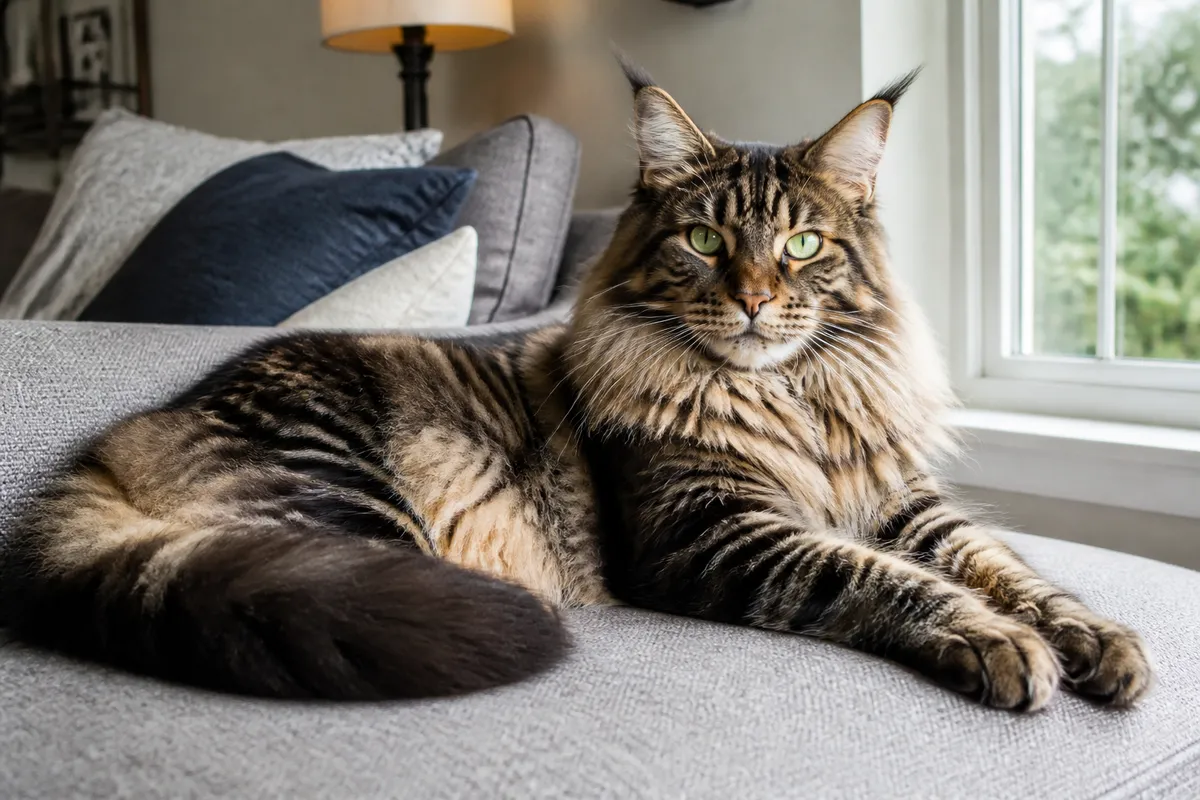
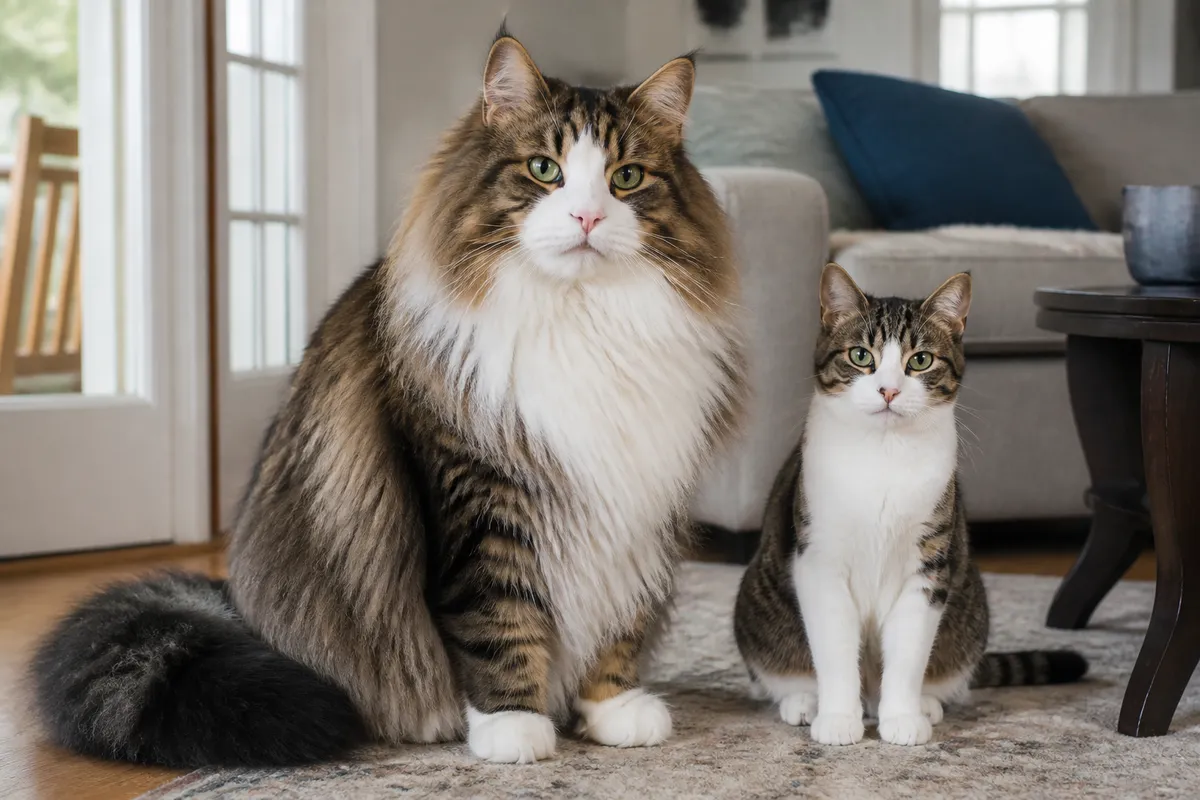
The Maine Coon cat is America's own gentle giant: the largest pedigreed breed, with males often reaching 20 pounds or more, a shaggy weatherproof coat and a famously friendly, dog-like personality. It's a wonderful family cat, but it needs space, regular combing, a breeder who health-tests for heart and hip problems, and a healthy suspicion of bargain kitten ads.
Where the Maine Coon comes from
The Maine Coon is one of the oldest natural breeds in North America, with documented history going back to the 1850s in New England. Its ancestors were most likely shorthaired ship cats and longhaired cats brought by settlers, shaped by harsh Maine winters into a big, hardy farm and barn cat.
The popular story that the breed descends from raccoons (hence "coon cat") is biologically impossible and has been ruled out. A Maine Coon appeared at the first major US cat show in 1895, the breed lost popularity in the early 1900s, and the Cat Fanciers' Association granted it championship status in 1976.
How big does a Maine Coon get?
Mature males often reach or exceed 20 pounds, and females are usually noticeably smaller. Their bodies can stretch to around 40 inches from nose to tail tip. What surprises many owners is the timeline: Maine Coons mature slowly and can take three to four years to reach full size.
Ads for a "giant Maine Coon" much larger than this are usually marketing, or a sign the cat is overweight. A well-built Maine Coon is long, muscular and big-boned, not round. If you want to compare it with other heavyweights, see the guide to the biggest domestic cat breeds.
| Trait | Typical for the breed |
|---|---|
| Weight | Males often 20 lb or more, females smaller |
| Length | Up to about 40 inches including the tail |
| Full size | Around 3 to 4 years old |
| Lifespan | About 12 to 15 years |
| Coat | Shaggy, silky, longer on belly, britches and tail, with a ruff |
| Grooming | Comb about 1 to 3 times a week |
| Voice | Quiet; chirps and trills more than meows |
| Activity | Playful, moderate, very people-oriented |
Maine Coon colors: black, orange, white, smoke and more
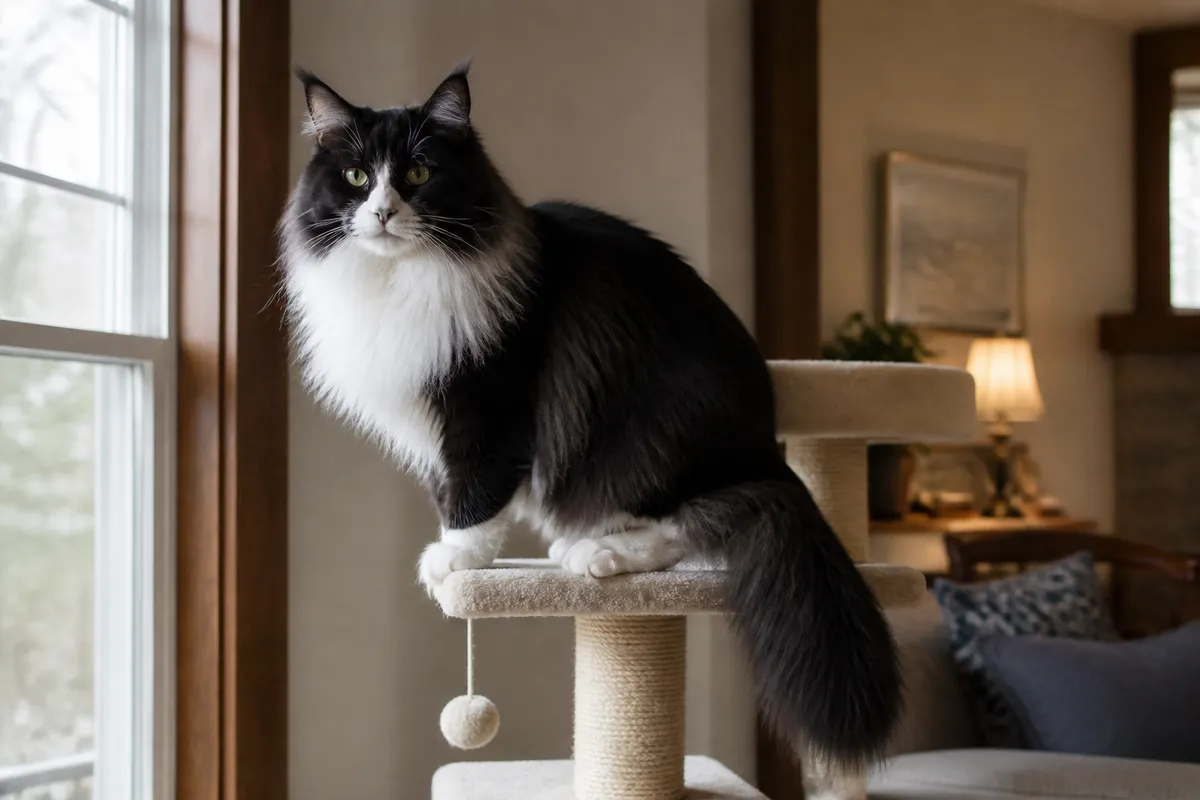
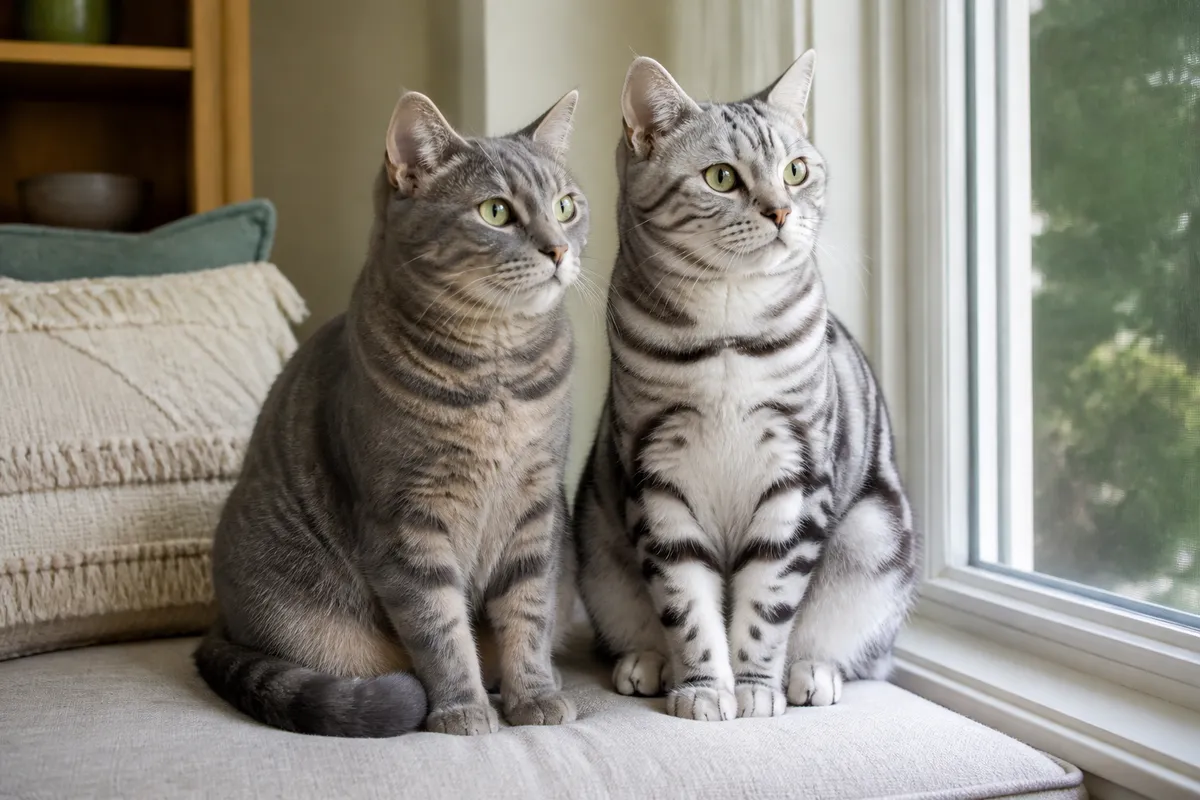
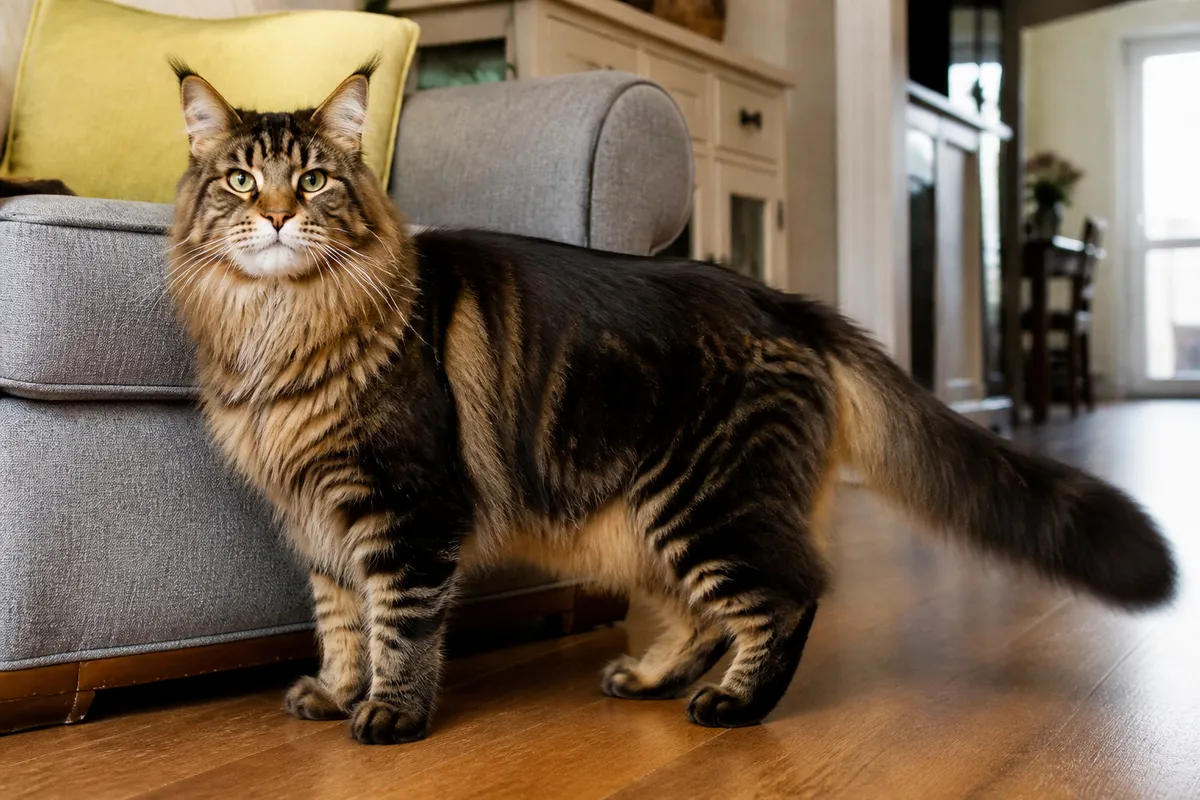
The classic look is a brown tabby with ear tufts and a plumed tail, but the breed comes in a long list of colors and patterns: solid colors, classic, mackerel and ticked tabbies, bicolors, tortoiseshells and calicos, shaded and smoke varieties, with or without white. Eyes are green, gold or copper, and white Maine Coons may have blue or odd-colored eyes.
A black Maine Coon is a solid black cat; a black smoke Maine Coon has a white undercoat under black tips, which shimmers when the cat moves. An orange Maine Coon is genetically red, often as a red tabby. Chocolate, lavender and pointed colors (like a Siamese) are not accepted in the CFA show standard, because they point to crossbreeding.
Color has nothing to do with personality, so pick the breeder first and the color second. If you fall for a white kitten, ask the breeder whether its hearing has been checked.
Maine Coon personality: the gentle giant
Maine Coons are sociable, loyal and smart. They tend to bond with the whole family rather than one favorite person, and they usually get along well with children, other cats and cat-friendly dogs. Many follow their people from room to room without demanding constant laps.
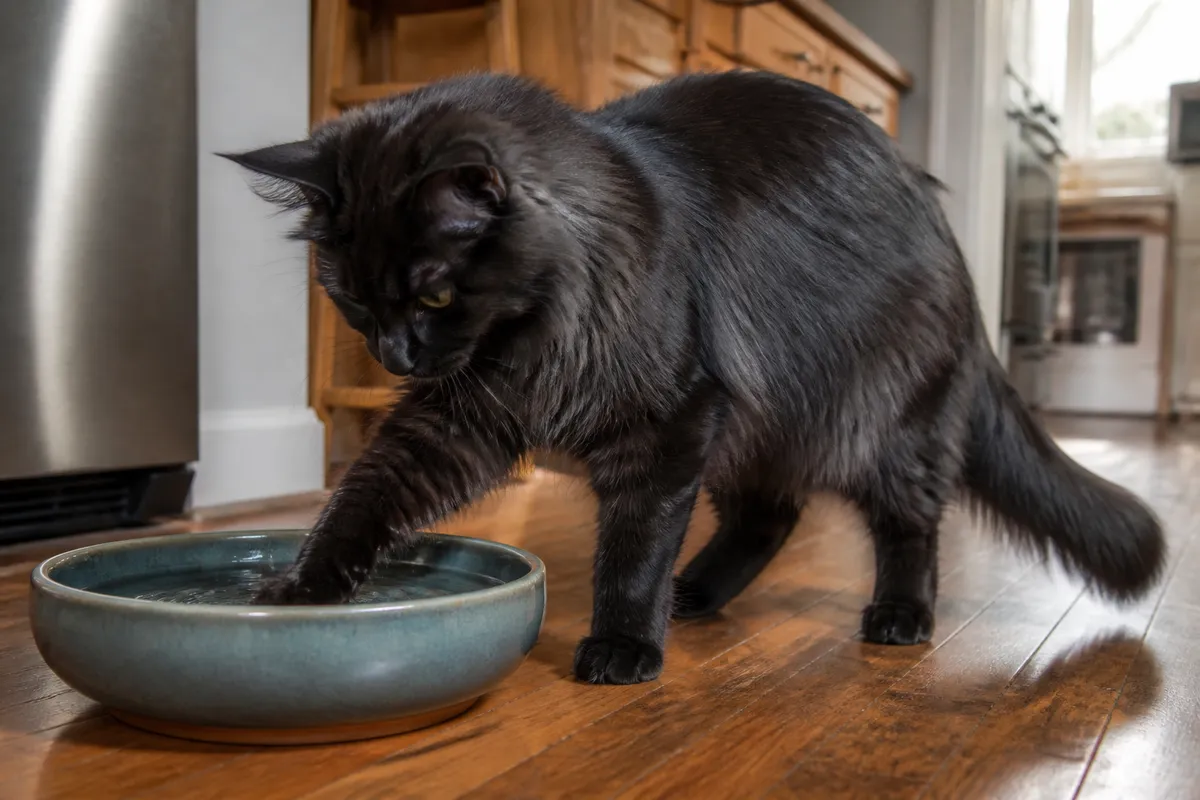
They're not loud. Instead of meowing they chirp, trill and purr. Many are fascinated by water and will dip a paw in the bowl or join you at the faucet. They're clever enough to learn tricks with clicker training, yet often charmingly clumsy, misjudging jumps with complete confidence.
Grooming and daily care
The coat is heavy but less prone to matting than a Persian's. Breeders recommend combing two or three times a week for five to ten minutes with a metal comb, paying attention to the belly, armpits and the "pants" on the back legs. That controls shedding and hairballs. Most Maine Coons don't need regular baths.
Size changes your shopping list. Plan for an extra-large litter box, a sturdy floor-anchored cat tree and a heavy scratching post, because a 20-pound cat will tip over the cheap ones. Feed measured meals rather than leaving the bowl full: the breed can easily become overweight, which also strains the joints.
Maine Coon health problems to know about
Maine Coons are generally hardy, but a few inherited conditions matter. A responsible breeder screens for them and shows you the results.
- Hypertrophic cardiomyopathy (HCM): a thickening of the heart muscle. A gene variant called MYBPC3 A31P is linked to it in Maine Coons, and breeding cats should be DNA-tested. A negative DNA test doesn't rule out HCM, so good breeders also have their cats checked by heart ultrasound (echocardiogram).
- Hip dysplasia: surprisingly common for a cat. In a Scandinavian screening program, 37 percent of more than 5,000 Maine Coons showed some X-ray signs of it, and larger body size was linked to higher risk. Ask whether the parents' hips were X-rayed and scored.
- Spinal muscular atrophy (SMA): an inherited nerve disease that weakens the hind legs. A DNA test identifies carriers.
- Early joint wear and obesity: keep your cat lean and give easy access to favorite spots.
Maine Coon price and kittens for sale: what to watch for
Prices for Maine Coon kittens vary widely by region, breeder, show or breeding rights and color, and there's no official price list. What you're paying for with a good breeder is health-tested parents, early vet care and vaccinations, careful socialization at home and support after the sale. Ask for an itemized list of what's included.
Be very careful with cheap listings. The FTC warns that purebred animals offered free or at a deeply discounted price are likely scams. An ad promising "Maine Coon kittens for sale, $450, shipped" is a classic pattern: stolen photos, a deposit by app or wire transfer, then surprise fees for shipping, insurance or a crate, and no kitten. The CFA adds that reputable breeders don't sell through Craigslist-type sites, usually have waitlists and only ask for a small deposit.
- Visit in person, or at least do a live video call showing the kitten with its mother.
- Run a reverse image search on the kitten photos.
- Ask for the breeder's full name, address and phone number and look them up.
- Never pay with gift cards, wire transfers or payment apps; a credit card gives you more protection.
- Expect proof of HCM DNA tests, hip screening and SMA status for the parents, a vet record and a written contract.
- Kittens should go home at 12 weeks at the very least; the CFA prefers 16 weeks. Kittens offered at 6 to 8 weeks are a red flag.
Maine Coon rescue and adoption
Adult Maine Coons and Maine Coon mixes regularly end up in shelters and breed-specific rescues, often because an owner moved or underestimated the size. An adult has a known personality and size, and legitimate rescues post their adoption fees openly. Many big, fluffy shelter cats are also domestic longhairs with a similar look and none of the price tag.
Who the Maine Coon suits, and who it doesn't
A Maine Coon is a great match for families with kids, multi-pet homes and people who want a social, sturdy, quiet cat that likes company without being clingy.
It's a poor fit if you're in a tiny apartment with no room for a large litter box and tree, if you don't want to comb a cat every week, or if your budget can't handle a large cat's food, gear and possible heart or joint care.
Frequently asked questions
How much does a Maine Coon cost?
It depends on the breeder, region and whether you're buying a pet or a breeding cat, and there's no official price. Expect a reputable breeder to cost far more than a shelter adoption fee, because health testing, vet care and socialization are included. Unusually cheap ads are a common scam.
Are Maine Coon kittens for sale for $450 legit?
Be very cautious. Deeply discounted purebred kittens, especially with shipping and payment by app or wire, match the FTC's description of pet scams. Visit or video-call before paying anything, and never pay by gift card or wire transfer.
Are Maine Coons good indoor cats?
Yes. They adapt well to indoor life as long as they have space to climb, sturdy furniture to scratch and daily play. A large cat tree and a window perch go a long way.
Do Maine Coons shed a lot?
They shed a fair amount, more in spring and fall. Combing two or three times a week keeps loose hair, mats and hairballs under control.
How can I tell if my cat is a Maine Coon?
Only papers from a registered breeder prove it. Many shelter cats have a similar look, with a big frame, tufted ears and a bushy tail, and are domestic longhairs, which are lovely cats too.
At what age is a Maine Coon fully grown?
Maine Coons grow slowly and usually reach full size at around three to four years old.
Sources
- Maine Coon breed profile, Cat Fanciers' Association
- Maine Coon, VCA Animal Hospitals
- Prevalence of cardiac myosin-binding protein C3 mutations in Maine Coon cats with hypertrophic cardiomyopathy, PubMed Central
- Demography, heritability and genetic correlation of feline hip dysplasia and response to selection in a health screening programme, Scientific Reports via PubMed Central
- Finding a furry friend in the era of COVID-19 (pet scam warning signs), Federal Trade Commission
- Could This Kitten Be A Scam?, Cat Fanciers' Association
Last reviewed: November 2026