Biggest Cat in the World: Tigers, Ligers and the Types of Big Cats
Cat Knowledge 6 min read reviewed November 2026, 6 sources
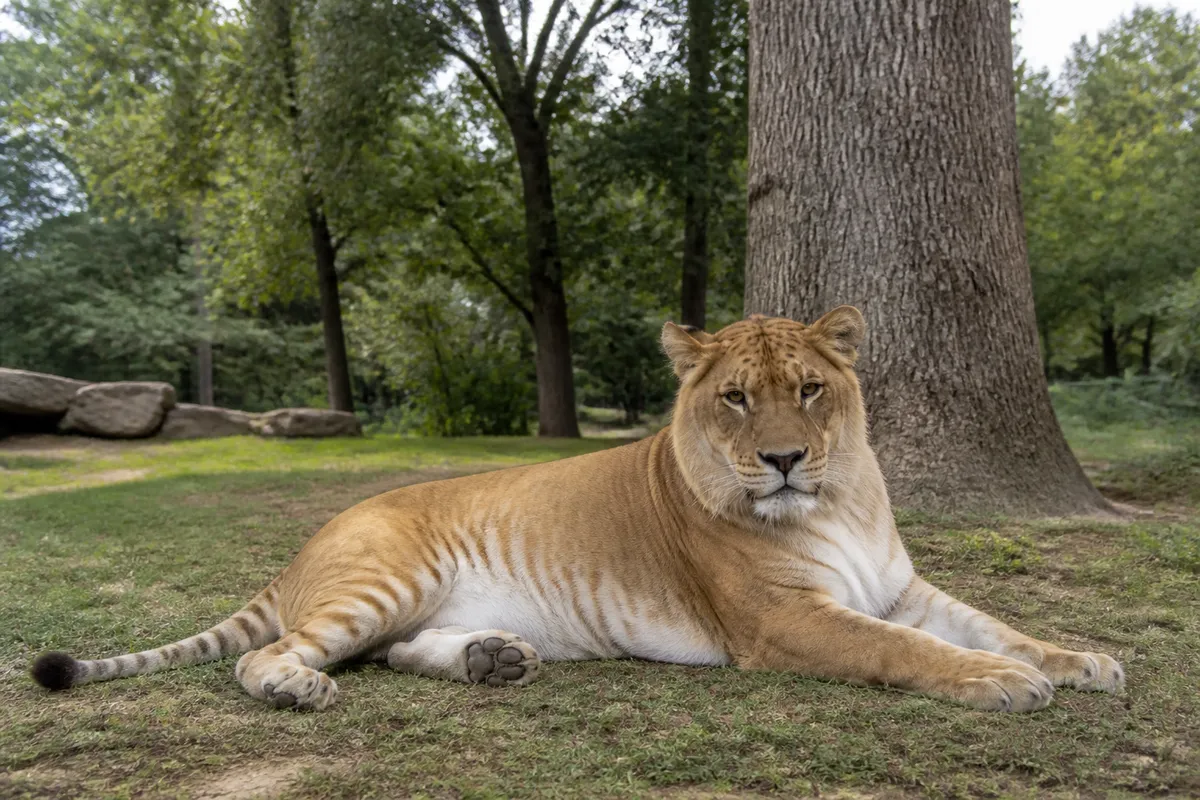
The biggest cat in the world is the liger, a hybrid of a male lion and a female tiger; the record holder, Hercules, weighed 922 pounds according to Guinness World Records. Among wild cats, the largest is the Amur (Siberian) tiger, with males up to about 660 pounds. Below you will find how the big cats compare, why ligers grow so huge, and how even the largest house cats measure up.
Largest cat in the world: the liger record
Ligers are bred in captivity; they are not a wild species. Guinness World Records lists Hercules, an adult male liger at Myrtle Beach Safari in South Carolina, as the largest living cat in its 2013 record: 131 inches (3.33 m) long, 49 inches (1.25 m) tall at the shoulder and 922 pounds (418.2 kg).
Guinness notes that ligers are generally larger than both parent species, while tigons, the hybrid of a male tiger and a female lion, tend to be smaller. Breeding these hybrids is controversial, because they serve no conservation purpose. In the US, the federal Big Cat Public Safety Act also covers hybrids of lions, tigers and other big cats, which makes private breeding and ownership illegal for most people.
So if the question is which cat is biggest, the honest answer has two parts: the liger is the heaviest cat on record, and the tiger is the largest cat that exists in nature.
Biggest cat in the wild: the Amur tiger
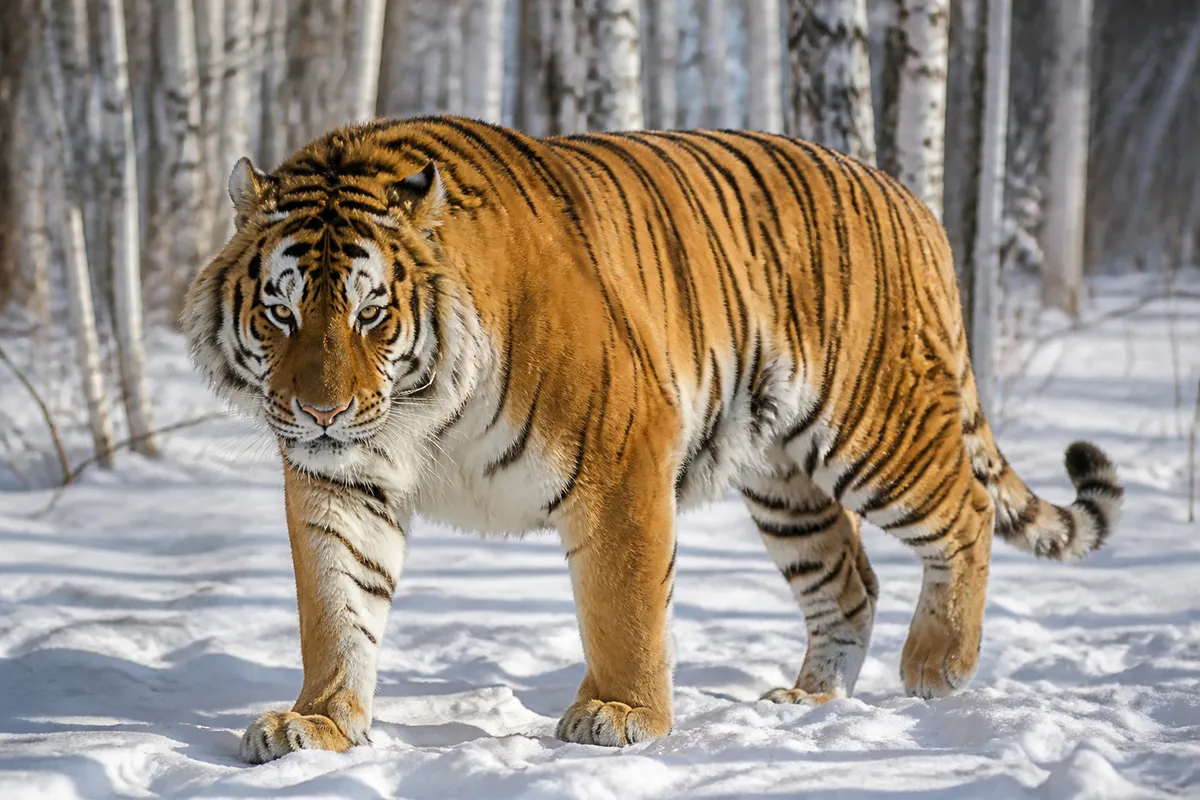
Guinness World Records names the Amur or Siberian tiger (Panthera tigris altaica) as the largest wild cat. It lives in eastern Russia, northeastern China and possibly North Korea. Guinness gives typical male measurements of about 8 feet 10 inches to 10 feet 9 inches from nose to tail tip and 397 to 675 pounds.
The Smithsonian's National Zoo gives similar numbers: Amur tiger males can weigh up to 660 pounds and measure 10 feet, and the largest tiger ever recorded was an Amur tiger. Sumatran tigers, the smallest subspecies, top out at about 310 pounds. Females of every subspecies are smaller than males.
Tigers are also the largest land mammals whose diet consists entirely of meat. They usually hunt about once a week and can eat as much as 75 pounds of food in one night, according to the National Zoo. Sadly, wild tigers now occupy only about 7 percent of their historic range.
Types of big cats compared by size
The term big cats is used in two ways. Biologists often mean the roaring cats of the genus Panthera: lion, tiger, jaguar, leopard and snow leopard. US law uses a wider list. The Big Cat Public Safety Act, as explained by the US Fish and Wildlife Service, covers lions, tigers, leopards, snow leopards, clouded leopards, jaguars, cheetahs and cougars, plus their hybrids.
Here is how the heaviest ones compare. Weights are typical ranges from zoo sources; individual animals can be smaller or larger.
A quick note on reading these numbers: length usually means nose to tail tip, measured along the body, while height is taken at the shoulder. A long tail can add feet to a cat's length without adding much weight, so weight is the fairest way to compare which cat is truly the biggest.
| Cat | Typical adult weight | Where it lives |
|---|---|---|
| Liger (hybrid, captivity only) | Record: 922 lb (Hercules) | Zoos and private facilities |
| Amur tiger (males) | About 397 to 675 lb | Eastern Russia, northeastern China |
| African lion (males) | About 330 to 550 lb | Sub-Saharan Africa; small population in India |
| African lion (females) | About 265 to 395 lb | Sub-Saharan Africa |
| Sumatran tiger (largest males) | Up to about 310 lb | Sumatra, Indonesia |
| Jaguar | About 70 to 249 lb | Central and South America |
Lion vs. tiger: which is bigger?
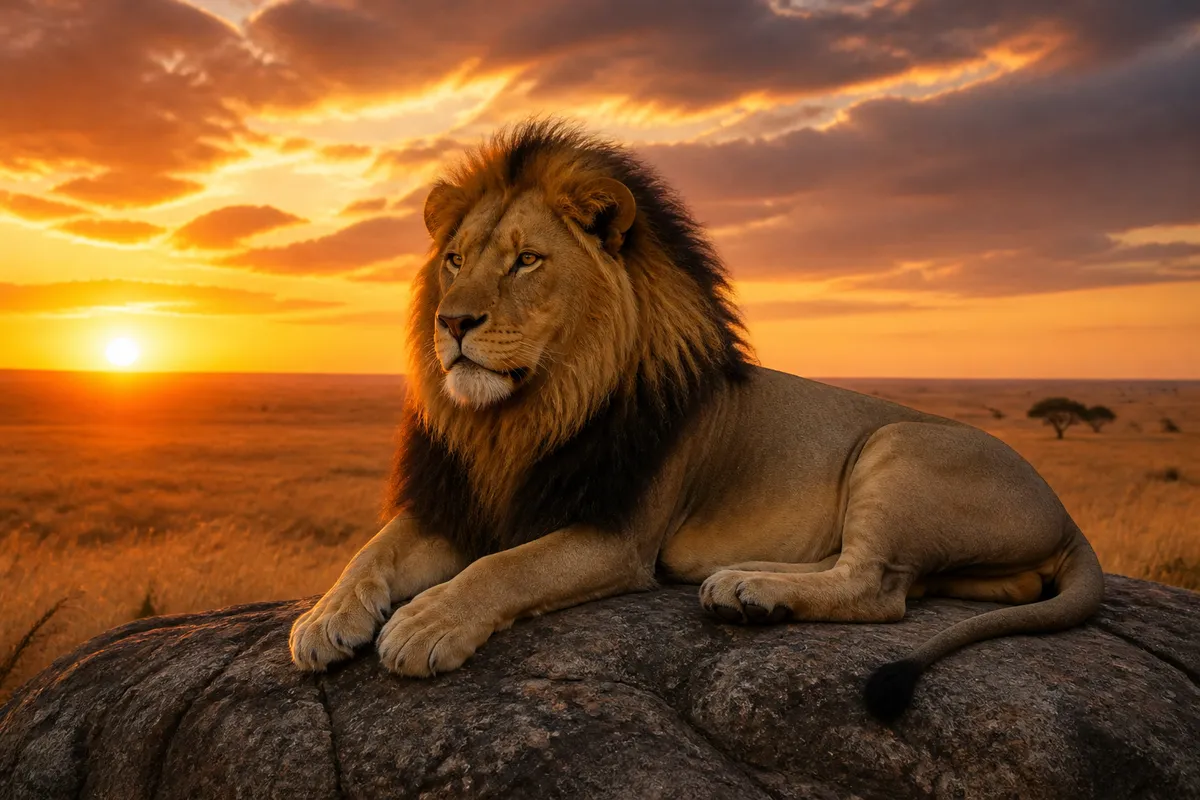
Tigers win on average. The Smithsonian's National Zoo lists male lions at 330 to 550 pounds and up to 10 feet long including the body, with a 2 to 3 foot tail, while the largest tiger subspecies can reach about 660 pounds. Lions stand 3.5 to 4 feet tall at the shoulder.
The two are closely related. According to the National Zoo, a tiger's closest relative is the lion, and without their coats the two are so similar that only experts can tell them apart. The mane makes male lions look bigger than they are, which is presumably the point.
Their lifestyles are very different, though. Lions live in social groups called prides, while tigers are mostly solitary, except for mothers with cubs.
Jaguar: the biggest cat in the Americas
In the Western Hemisphere, the jaguar is king. The San Diego Zoo calls it the largest cat in the Western Hemisphere and the third largest overall, after lions and tigers. Jaguars weigh about 70 to 249 pounds, and those in South America's Pantanal region are much larger than jaguars elsewhere.
Jaguars are powerful swimmers and seldom far from water. A jaguar may even go fishing by waving its tail over the water to attract fish, according to the San Diego Zoo. The cougar, which also lives in the Americas, is a big cat in US law but is not part of the roaring Panthera group.
Big cats that are not so big
Some cats called big are smaller than people expect. The snow leopard and the clouded leopard are both far lighter than lions and tigers. The Smithsonian's National Zoo describes the clouded leopard as neither a true great cat nor a true small cat, because it can neither roar nor purr.
Size labels in the cat family are loose. Whether a cat counts as big often depends on whether you ask a biologist, a lawmaker or a zoo visitor, and the bathroom scale is not the deciding factor.
For a broader tour of the cat family, from tigers to tiny forest cats, see our wild cats overview.
Life is hard at the top: how big cats grow up
Being the biggest cat does not make life easy. The Smithsonian's National Zoo explains that tiger cubs stay with their mothers until they learn to hunt successfully, usually at about 18 to 24 months, and reach full independence at two to three years. Females often settle near their mother's territory, while males travel farther to find their own.
The odds are tough. According to the National Zoo, roughly half of all wild tiger cubs do not survive past their first two years, and only about 40 percent of those that reach independence go on to establish a territory and raise young. Wild tigers usually live 10 to 15 years; in human care, or rarely in the wild, they can reach 20.
Size also means huge space needs. A predator that eats up to 75 pounds in a night needs a large territory full of prey, which is exactly what shrinking forests and grasslands no longer provide. That is why the world's biggest cats depend on protected habitat, anti-poaching work and carefully managed conservation breeding in accredited zoos, not on backyard enclosures.
What about the biggest house cats?
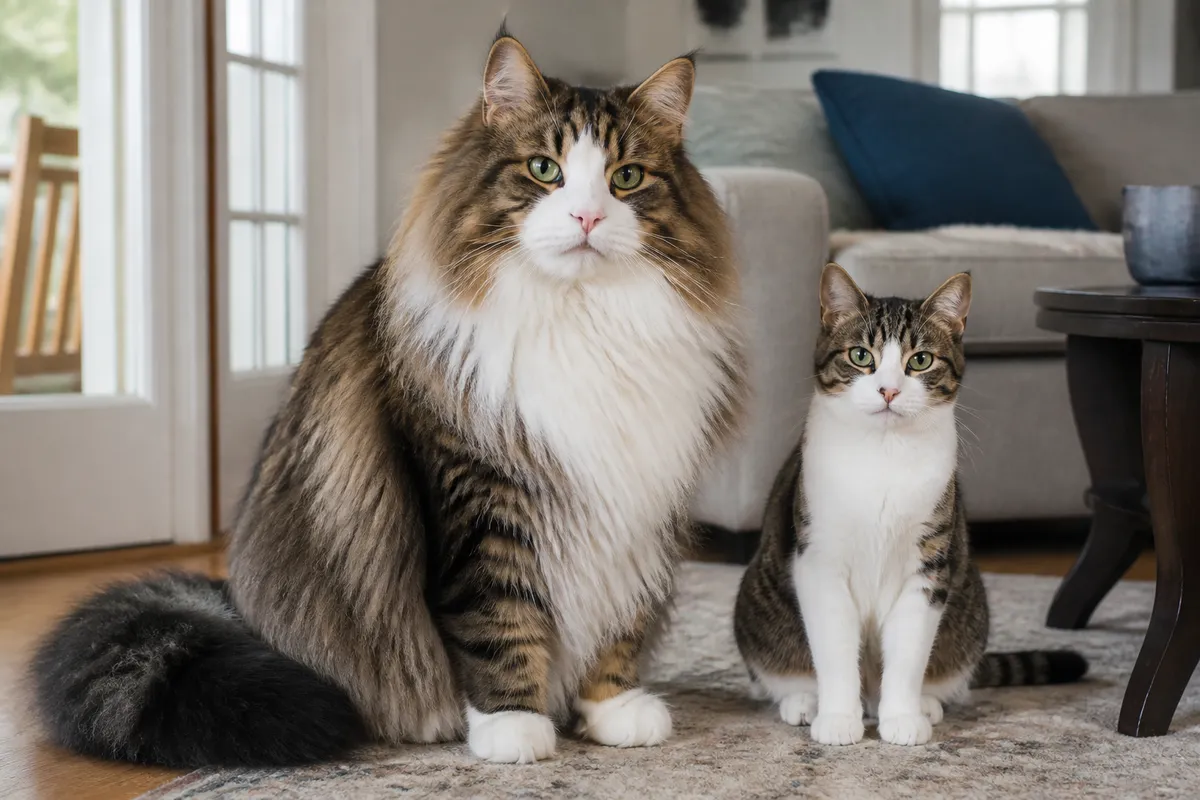
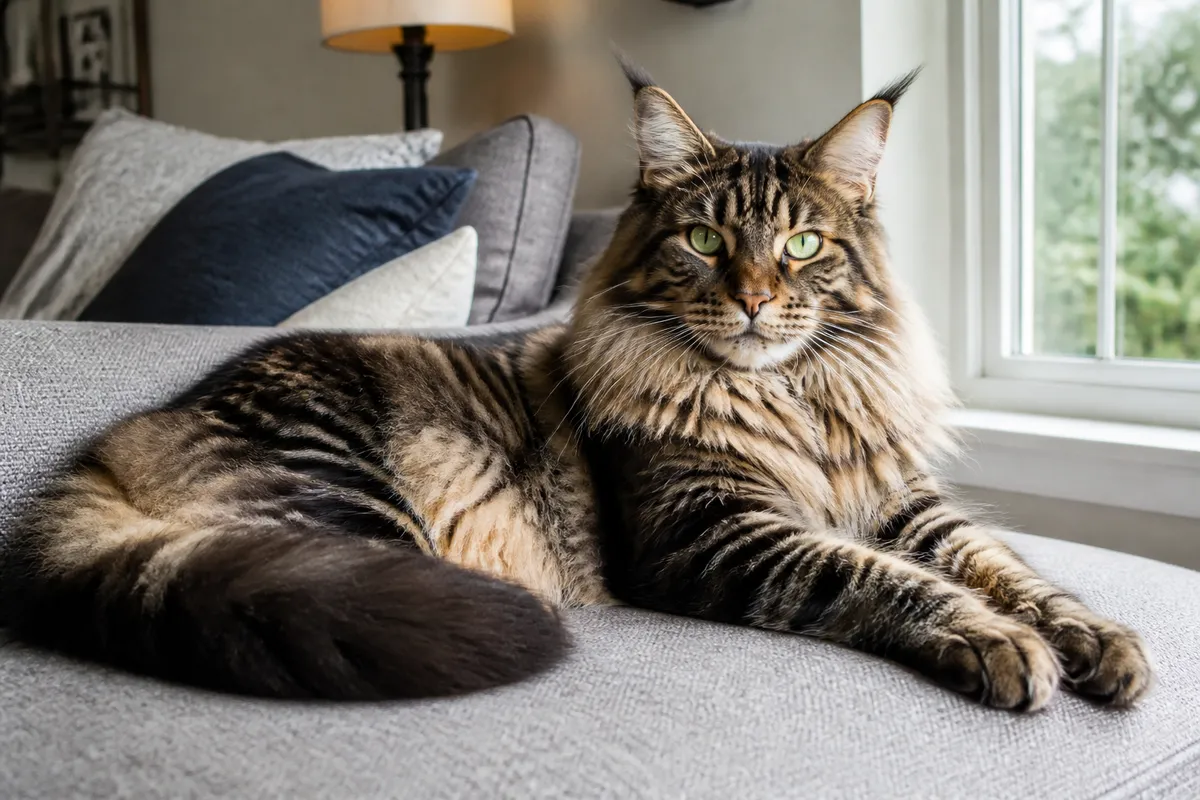
Compared with a 922-pound liger, even the most impressive house cat is a kitten. Large domestic breeds such as the Maine Coon, Norwegian Forest Cat or Savannah can look huge on your sofa, but they are a tiny fraction of a tiger's weight.
If you are curious which domestic breeds grow biggest and what it is like to live with one, our guide to the largest domestic cat breeds covers that in detail. Just do not expect any of them to hunt only once a week. Most will insist on breakfast at 5 a.m. daily.
Frequently asked questions
What is the biggest cat in the world?
The biggest cat on record is a liger, a lion and tiger hybrid. Guinness World Records lists Hercules at 922 pounds. The biggest wild cat is the Amur (Siberian) tiger, with males up to about 660 pounds.
Is a lion or a tiger bigger?
Tigers are bigger on average. Male lions weigh about 330 to 550 pounds, while large Amur tiger males can reach around 660 pounds. Sumatran tigers are smaller than most lions, so it depends on the subspecies.
What are the types of big cats?
The roaring big cats of the genus Panthera are the lion, tiger, jaguar, leopard and snow leopard. In US law, the Big Cat Public Safety Act also includes clouded leopards, cheetahs, cougars and hybrids of all of these.
Do ligers exist in the wild?
No. Ligers are produced in captivity, not in nature. They are generally larger than both parent species, which is why they hold the record for the biggest cat.
What is the biggest cat in North America?
The jaguar is the largest cat in the Western Hemisphere, but it lives mainly in Central and South America. The cougar, also called mountain lion or puma, is the big cat most people in the US and Canada might encounter.
Can you own a tiger or liger in the US?
Generally no. Since the Big Cat Public Safety Act of 2022, private individuals cannot breed, buy or newly acquire lions, tigers, other listed big cats or their hybrids. Owners who had them before had to register by June 2023.
Sources
- Largest living cat, Guinness World Records
- Largest wild cat, Guinness World Records
- Tiger, Smithsonian's National Zoo and Conservation Biology Institute
- Lion, Smithsonian's National Zoo and Conservation Biology Institute
- Jaguar, San Diego Zoo Wildlife Alliance
- What You Need to Know About the Big Cat Public Safety Act, U.S. Fish and Wildlife Service
Last reviewed: November 2026