Gray Tabby Cat: Gray vs. Silver Tabby, Genetics and Myths
Coat Colors & Patterns 5 min read reviewed November 2026, 5 sources
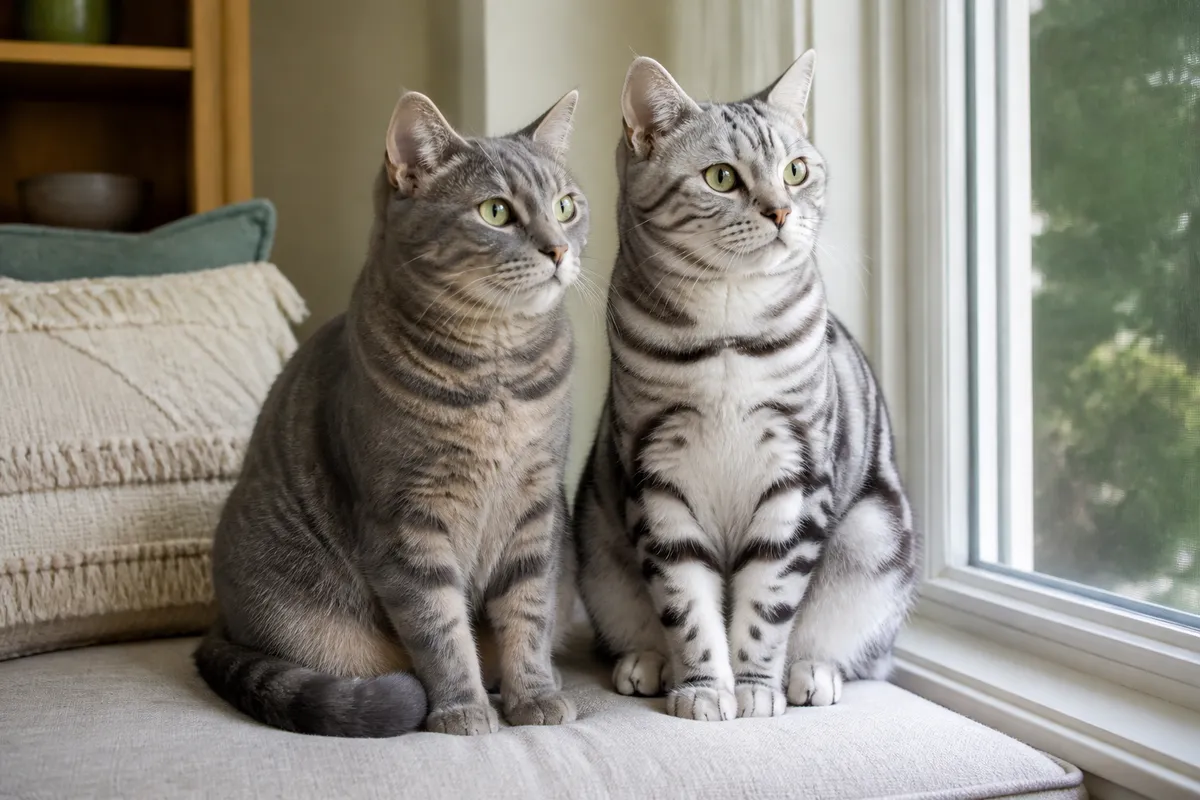
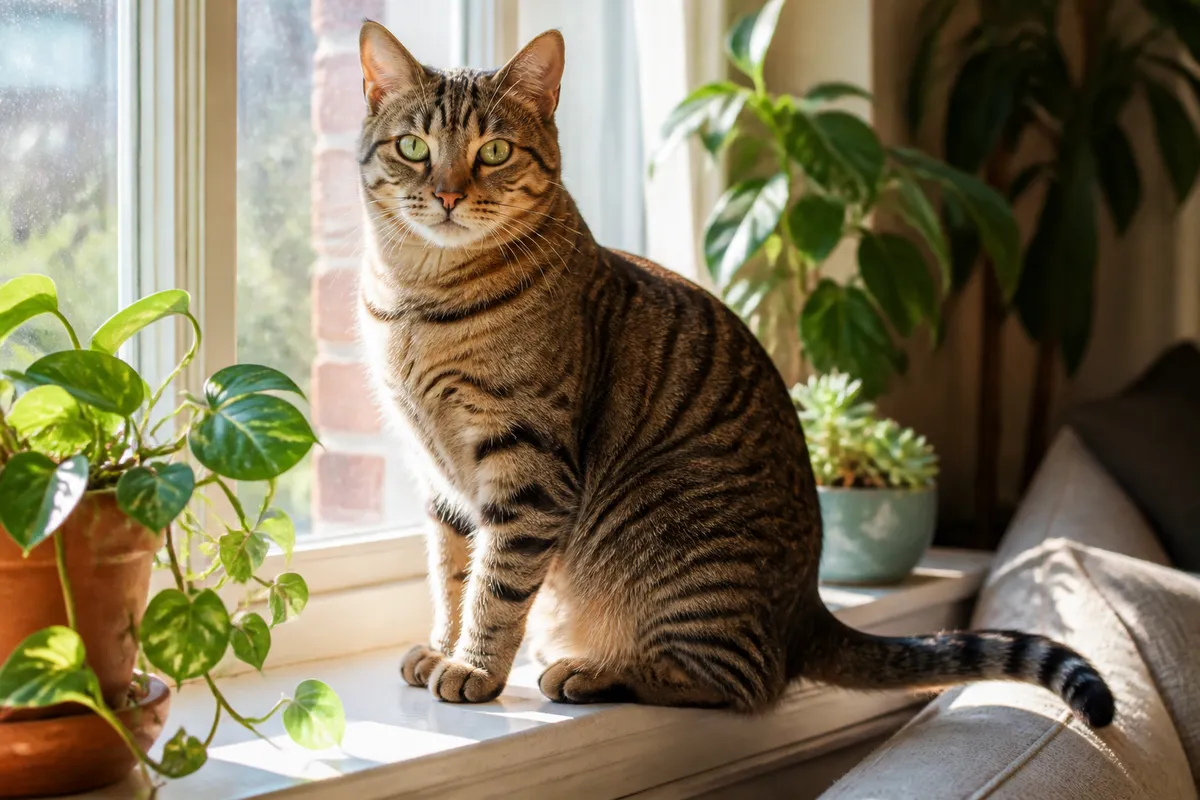
A gray tabby cat is usually one of two different coats: a blue tabby (a brown tabby softened by the dilution gene) or a silver tabby (black stripes on a bright, pale silver base created by a separate silver gene). They look similar on a phone photo, but up close they differ in warmth, undercoat and nose color, and in how they're inherited.
What is a gray tabby cat?
Tabby is a pattern, not a breed: stripes, swirls, spots or ticked hair plus the classic "M" on the forehead. Gray describes the colors in that pattern. Most gray tabbies you meet are domestic shorthairs or longhairs, but plenty of pedigreed breeds come in gray tabby too.
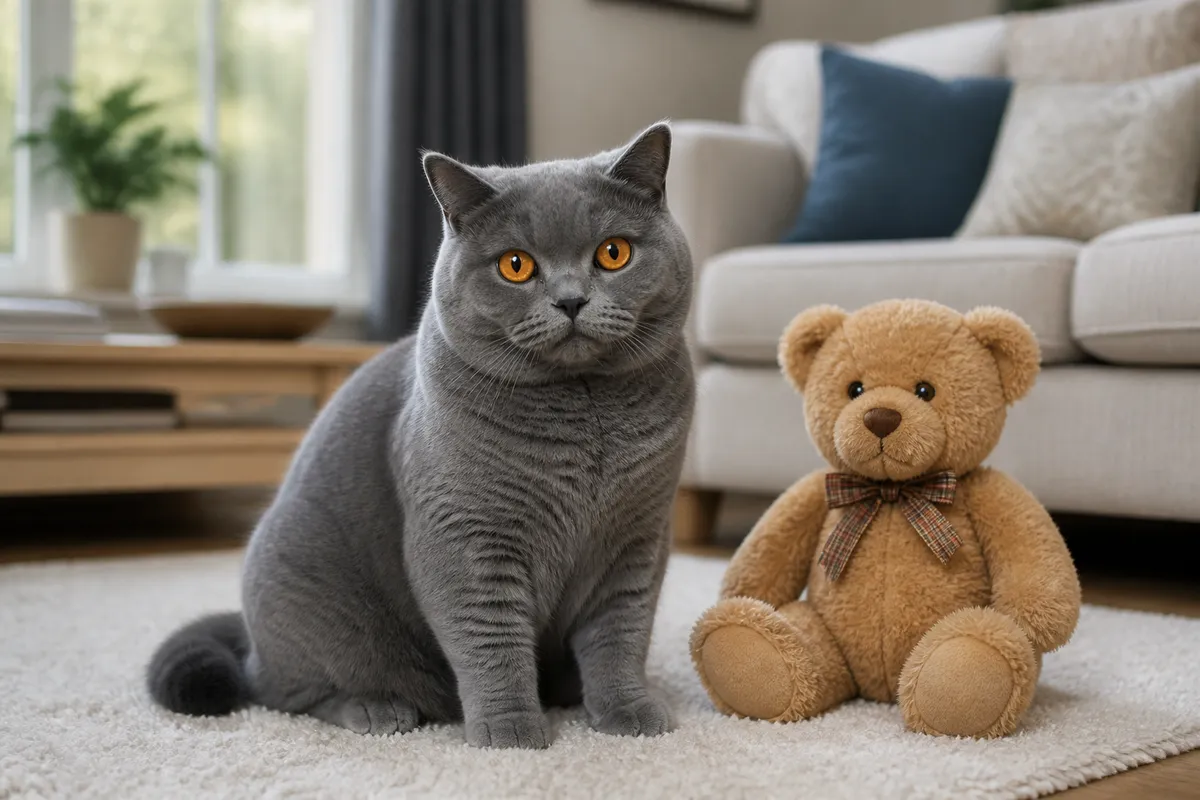
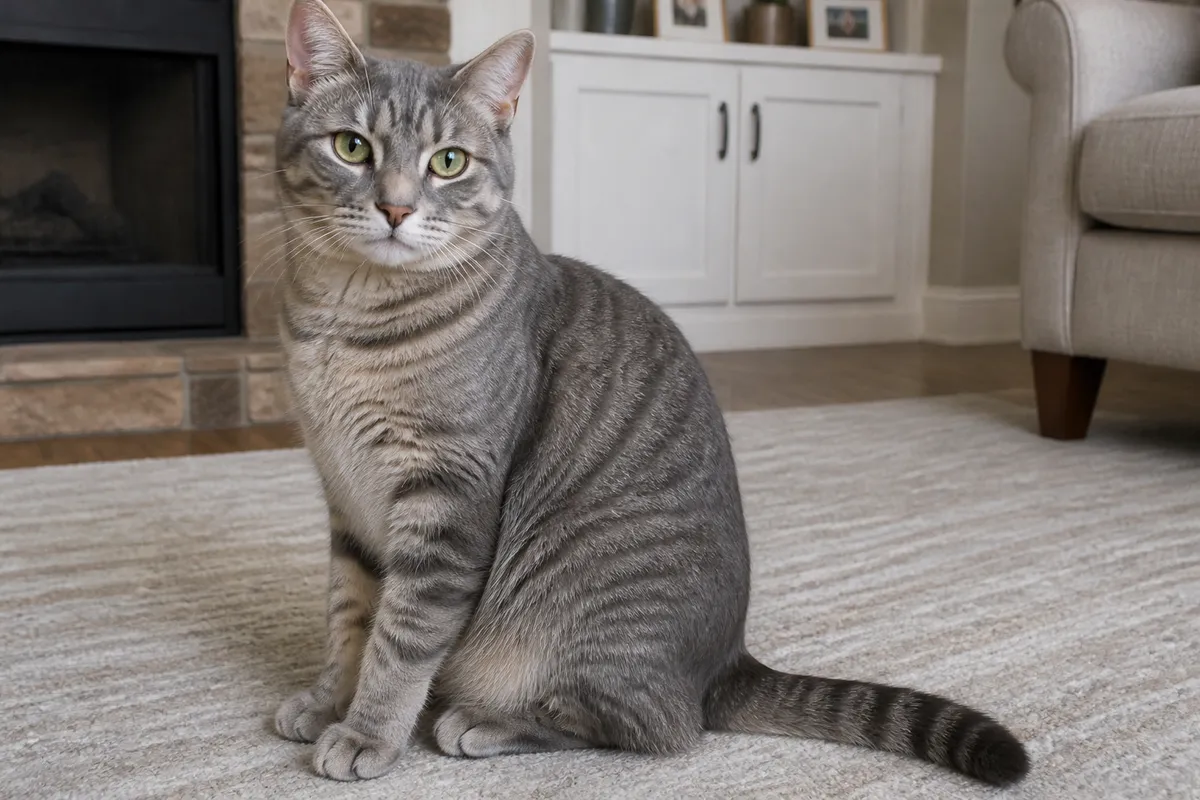
The most common everyday gray tabby is what breeders call a blue tabby. The Cat Fanciers' Association (CFA) British Shorthair standard describes it as a pale bluish ivory ground with very deep blue markings and warm fawn overtones over the whole coat. In plain English: soft gray stripes on a slightly warm, oatmeal-gray background.
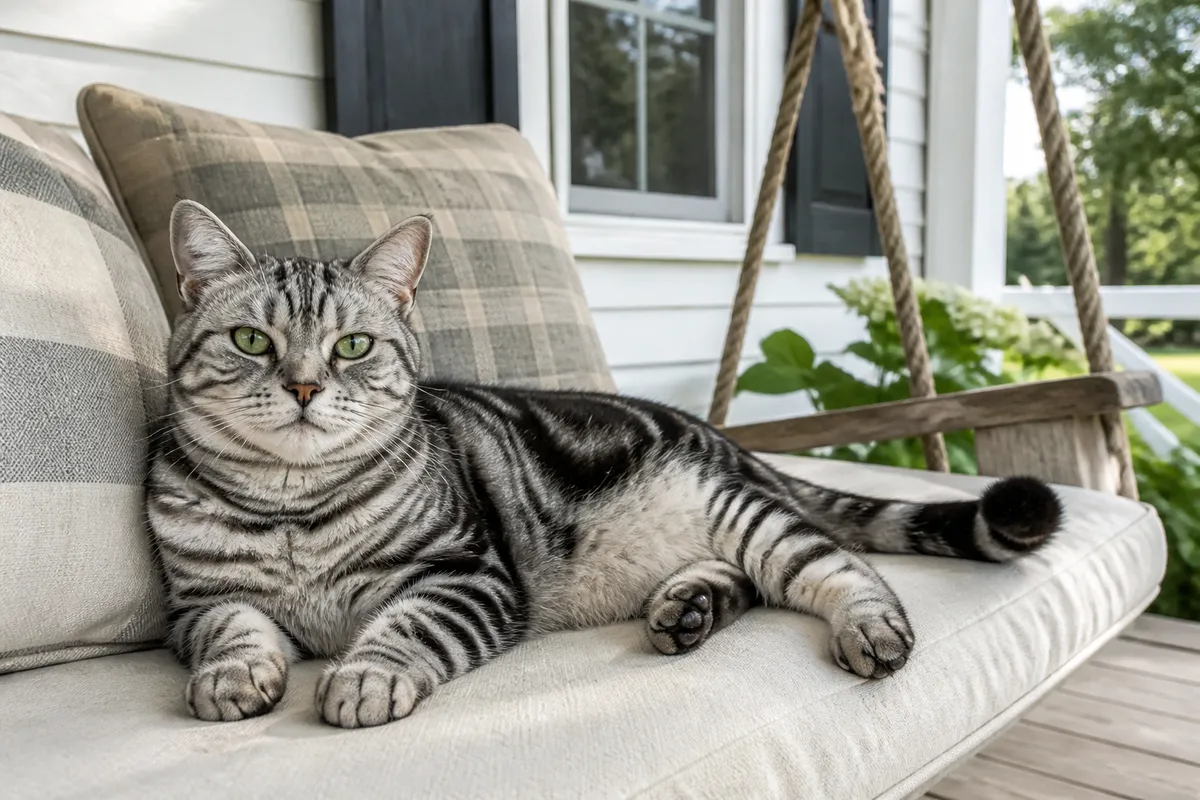
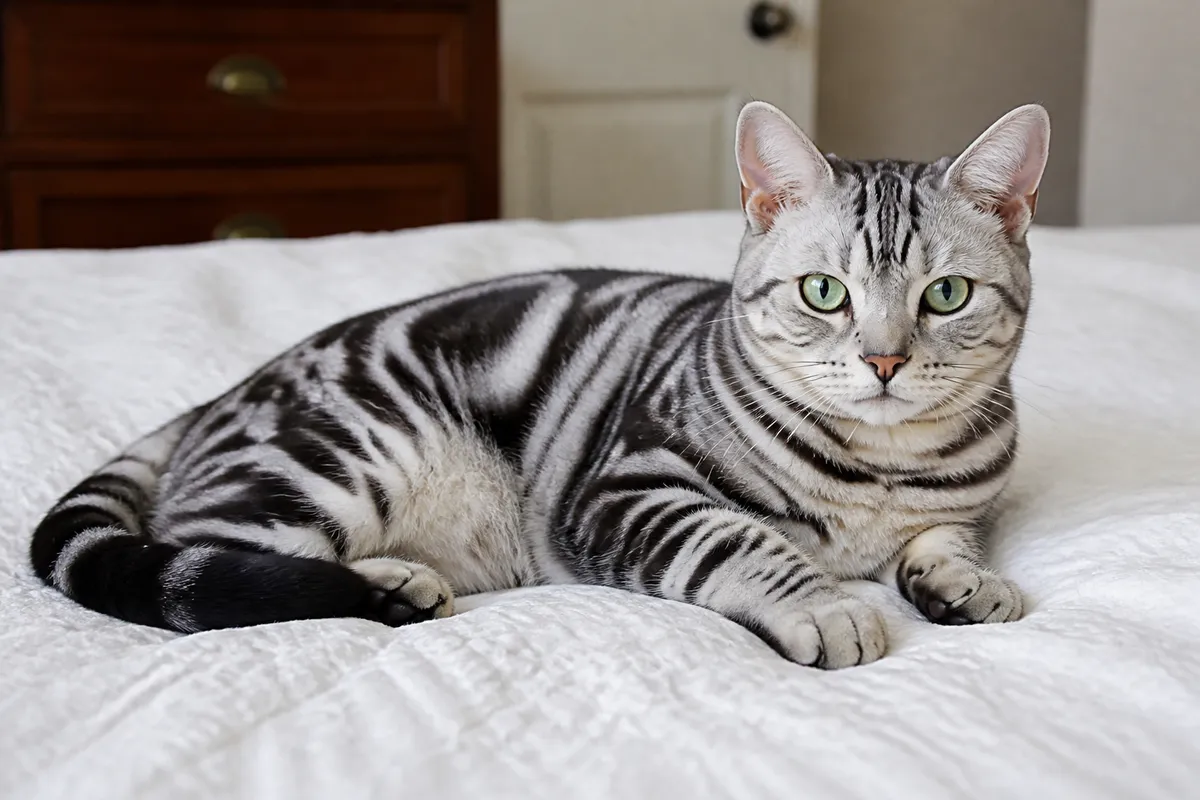
The other look is the silver tabby, the crisp black-on-silver coat that many people think of as the "classic" grey tabby. It comes from different genetics, explained below.
Gray tabby vs. silver tabby: how to tell them apart
The quickest check is to part the fur on the back and look at the roots. CFA standards for American Shorthairs explain that a silver tabby is genetically a shaded cat with a tabby pattern, so the undercoat should be white. A blue (gray) tabby has no white undercoat. Its base is warm and creamy gray all the way down.
Next, compare the stripes and the nose. Silver tabbies have dense black markings and, per the CFA, a brick red nose. Blue tabbies have blue-gray markings and a nose described as old rose or blue. There's also a combination: the blue silver tabby, which the CFA nicknames pewter tabby, with blue markings on a pale bluish silver base and a white undercoat.
| Coat | Background | Stripes | Undercoat | Nose leather |
|---|---|---|---|---|
| Brown tabby (for comparison) | Brilliant coppery brown | Dense black | Not white | Brick red |
| Blue (gray) tabby | Pale bluish ivory with fawn overtones | Very deep blue | Not white | Old rose or blue |
| Silver tabby | Pale, clear silver | Dense black | White | Brick red |
| Blue silver (pewter) tabby | Pale, clear bluish silver | Blue | White | Blue or old rose trimmed with blue |
The genetics behind gray and silver tabbies
Every tabby starts with the Agouti gene, which lets the tabby pattern show. From there, two different genes can make a tabby gray.
For a blue tabby, it's dilution. The UC Davis Veterinary Genetics Laboratory explains that the dilution gene spreads pigment unevenly in the hair shaft, which turns black into gray. Dilution is recessive, so a kitten needs a copy from each parent.
For a silver tabby, it's the Silver gene, historically called the Inhibitor. The University of Missouri's feline genetics laboratory explains that it removes the yellow and red pigment (pheomelanin) from the hair, leaving silver. This variant is dominant: one copy is enough. So a silver tabby kitten needs at least one silver parent, while two plain brown tabbies can never produce one.
The same Silver gene is behind several other looks. According to the Missouri lab, silver cats without a tabby pattern become smokes, while cats with very wide pale bands on each hair become chinchillas, and those in between are shaded. That's why the CFA describes a silver tabby as genetically a shaded cat that also shows the tabby pattern.
For breeders, the details matter. The Missouri lab explains that a cat with two copies of the Silver variant passes it to every kitten, so all of its offspring will be silver. A cat with one copy passes it to about half. You can't tell which by looking, only with a DNA test.
- Blue tabby: tabby pattern plus two copies of dilution
- Silver tabby: tabby pattern plus at least one Silver (Inhibitor) gene
- Blue silver tabby: tabby pattern plus dilution plus Silver
- Silver without the tabby pattern: a smoke, shaded or chinchilla cat
Why some silver tabbies look a bit brownish
Many silver tabbies show a warm, tan or yellowish wash on the face, legs or belly. Breeders call this rufousing. The University of Missouri lab notes that some people think cats with two copies of the Silver gene show less of this redness, which is one reason breeders use DNA tests.
For a pet, a little tarnish is purely cosmetic. If you want to know for sure whether your cat is silver or a warm gray, a coat color DNA test can tell you, and the Missouri lab points out that it's especially useful for tricky coats such as cats with lots of white.
Breeds that come in gray tabby and silver tabby
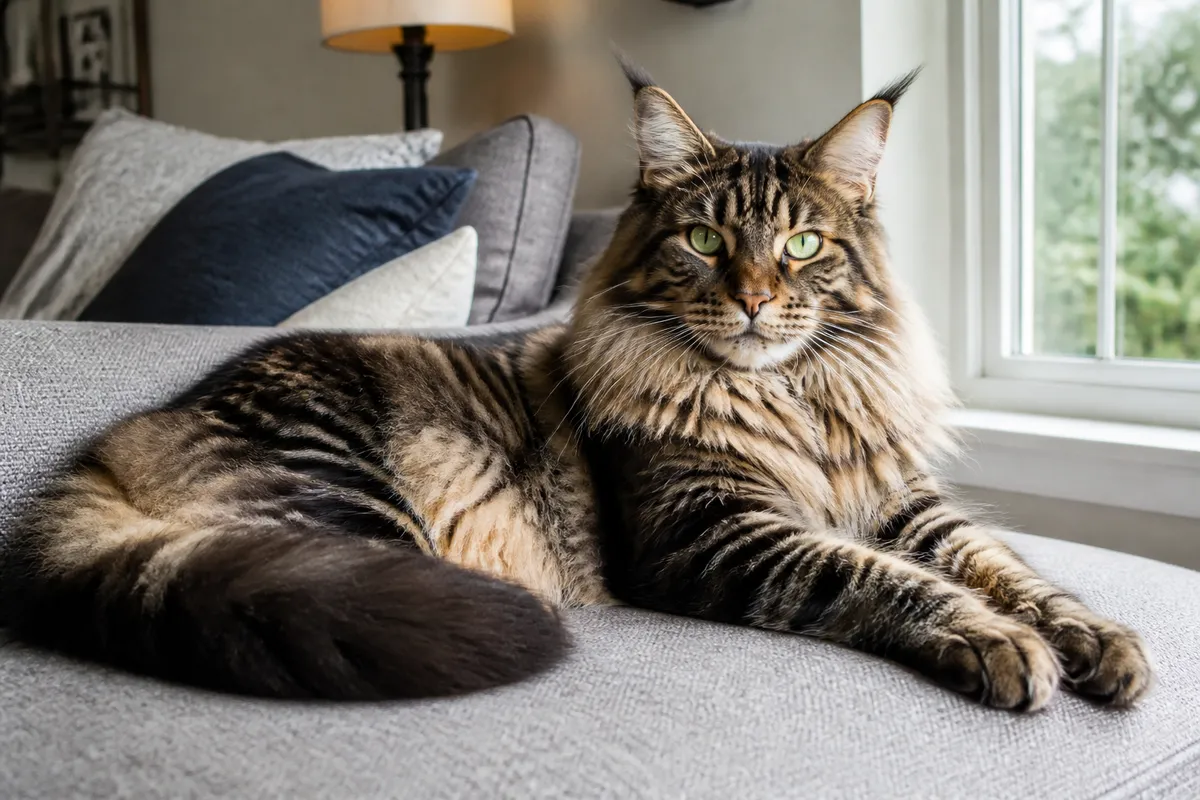
Gray and silver tabbies are accepted in many breed standards. CFA standards list silver and blue tabbies in breeds such as the American Shorthair, British Shorthair, Maine Coon, Persian and Turkish Angora, often in several patterns such as classic, mackerel, spotted or ticked.
The silver classic tabby American Shorthair is probably the most famous version, with bold black swirls on a bright silver coat. If you're set on a specific shade and pattern from a breeder, ask to see both parents. Because silver is dominant and dilution is recessive, the parents tell you a lot about what the kittens can be.
Most gray tabby kittens, though, come from shelters and rescues, where they're common. For more on the tabby pattern itself, see our tabby cat guide.
Gray tabby personality: myths and reality
Gray tabbies are often described as laid-back, clever or "the most normal cat on the block". That reputation comes from the internet, not from science. Stanford geneticist Greg Barsh told Scientific American that there's no scientific evidence linking coat colors and behavioral differences.
What does shape personality: genetics from both parents, handling during the early weeks of life, health and the home itself. If you're adopting, ask shelter staff how a cat reacts to handling, visitors and other pets. A shy silver tabby and a bold gray one are equally possible.
Caring for a gray or silver tabby
Coat color doesn't change care. Grooming depends on coat length: shorthaired tabbies need an occasional brush, longhaired ones need regular combing to prevent mats. Light coats show dirt and staining more easily than dark ones, so silver cats may need a bit of face wiping, but that's about it.
A practical tip if you ever have to make a lost-cat flyer: "gray tabby" describes thousands of cats. Photograph your cat in daylight from the side and from above so the stripe pattern is visible. Note whether the stripes are mackerel or swirled, the nose color and any white patches.
Frequently asked questions
What is the difference between a gray tabby and a silver tabby?
A gray (blue) tabby is a diluted brown tabby with a warm gray base and no white undercoat. A silver tabby has a pale silver base, a white undercoat and dense black stripes, caused by the separate Silver gene.
Is a grey tabby the same as a gray tabby?
Yes. Grey is the British spelling, gray the American one. Breeders and cat shows usually call the color blue tabby.
Are gray tabby cats rare?
No. Gray and silver tabbies are common among domestic shorthairs and longhairs and are accepted in many pedigreed breeds.
Can two brown tabbies have a silver tabby kitten?
No. Silver is dominant, so at least one parent must be silver for a kitten to be silver. Two brown tabbies can have a blue (gray) tabby kitten if both carry the recessive dilution gene.
What breed is my gray tabby cat?
Most likely a domestic shorthair or longhair of mixed ancestry. Breeds such as the American Shorthair, British Shorthair and Maine Coon also come in silver or blue tabby, but only papers or a DNA panel confirm a pedigree.
Do gray tabbies have a special personality?
There's no scientific evidence that coat color affects personality. A cat's temperament comes from its genes, early socialization and life experience.
Sources
- American Shorthair breed standard, The Cat Fanciers' Association
- British Shorthair breed standard, The Cat Fanciers' Association
- Silver (Inhibitor) Genetic Testing in Domestic Cat Breeds, University of Missouri College of Veterinary Medicine
- Feline Coat Color, UC Davis Veterinary Genetics Laboratory
- This Strange Mutation Explains the Mystifying Color of Orange Cats, Scientific American
Last reviewed: November 2026