Lynx Cat Facts: The Four Lynx Species and House Cats That Look Like Lynxes
Cat Knowledge 6 min read reviewed November 2026, 5 sources
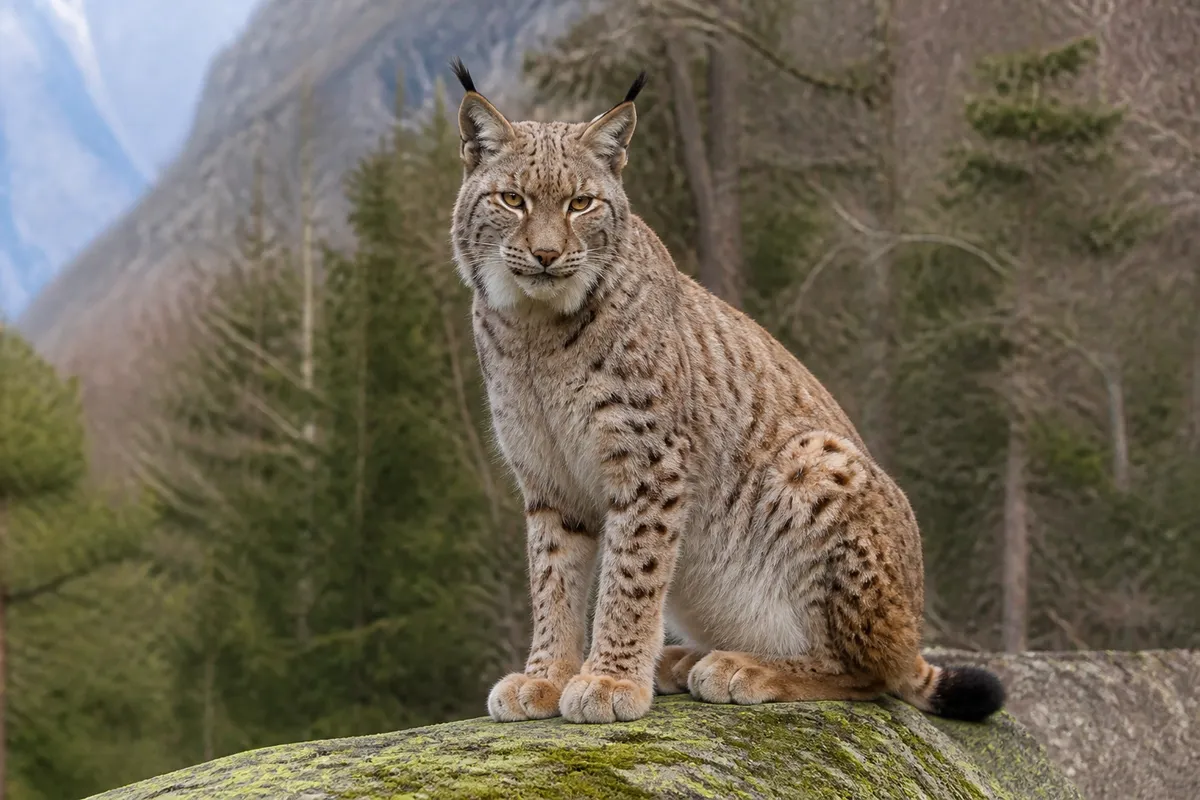
A lynx cat is a medium-sized wild cat known for its black ear tufts, short bobbed tail and big, furry paws built for snow. There are four living lynx species: the Canada lynx, the Eurasian lynx, the Iberian lynx and the bobcat. None of them is a pet, but a few domestic breeds, such as the Pixiebob and the American Bobtail, were bred to capture that wild look. Here are the facts on each species and the lookalikes.
The four lynx species
All lynxes belong to the genus Lynx. PBS Nature lists four living species: the Canada lynx (Lynx canadensis), the Iberian lynx (Lynx pardinus), the Eurasian lynx (Lynx lynx) and the bobcat (Lynx rufus). They are believed to descend from an ancestor called the Issoire lynx, which lived in Europe and Africa during the late Pliocene to early Pleistocene.
Two of the four live in North America. According to PBS, the bobcat is common throughout southern Canada, the continental United States and northern Mexico, while the Canada lynx lives mainly in the forests of Canada and Alaska, with a smaller population in the northern contiguous US. The Eurasian lynx ranges from Europe across Asia, and the Iberian lynx survives only in parts of Spain and Portugal.
| Species | Where it lives | Typical weight | Notable trait |
|---|---|---|---|
| Bobcat | Southern Canada, continental US, northern Mexico | About 16 to 31 lb | No furry soles, rarely lives in deep snow |
| Canada lynx | Boreal forests of Canada and Alaska, northern US | About 15 to 30 lb | Depends heavily on snowshoe hares |
| Iberian lynx | Parts of Spain and Portugal | About 21 lb (females) to 28 lb (males) on average | Recovered from near extinction |
| Eurasian lynx | Europe and Asia, from western Europe to Korea | About 40 to 66 lb | Largest lynx, can hunt deer |
What makes a lynx a lynx: ear tufts, short tails and snowshoe paws
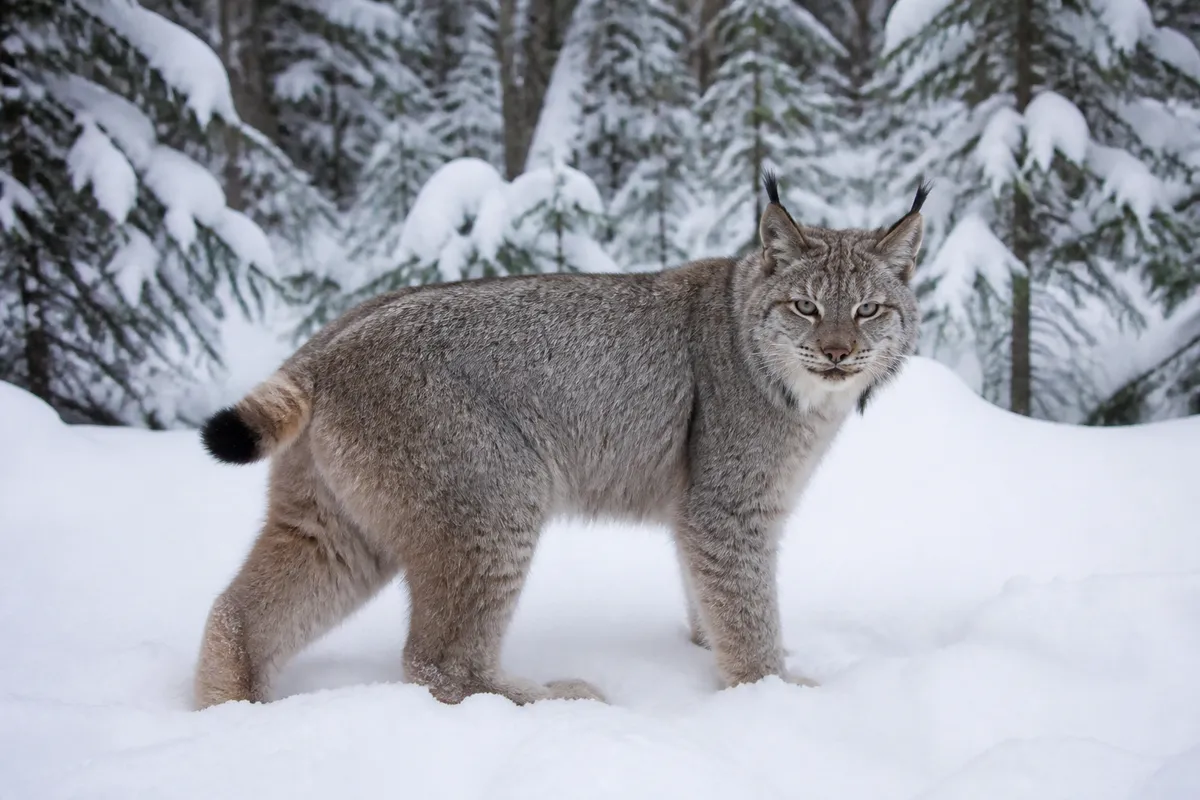
Every lynx species shares a few trademarks. PBS Nature describes the black tufts on the tips of the ears and the short, bobbed tail as the defining features. Scientists are still not sure what the tufts are for. Some think they work a bit like whiskers to sense things above the head; others think they improve hearing.
Lynxes also have long legs and broad paws. Most species live where deep snow lies for months, and long limbs help them move through it. In the Canada lynx, the Smithsonian's National Zoo notes that the large feet and long hind legs are adaptations for hunting in deep, powdery snow. Fur on the underside of the paws gives traction, which is why people compare lynx feet to snowshoes.
The bobcat is the exception: it does not have furry soles and generally does not live in heavy snow. PBS also notes that lynxes in colder climates tend to have thicker, lighter fur and larger, more padded paws than those in warmer regions.
Canada lynx and the snowshoe hare
The Canada lynx is a medium-sized wild cat, similar in size and appearance to a bobcat. According to the Smithsonian's National Zoo, adults are about 30 to 35 inches long and weigh around 15 to 30 pounds, with gray-brown fur, faint spotting, long thin ear tufts and a short, black-tipped tail.
Its life is tied to one animal. Lynx numbers naturally rise and fall along with snowshoe hare populations, and PBS notes that when hares crash, lynx numbers drop too. Lynxes also eat rodents, birds and squirrels, especially in summer, but the hare is the staple.
The National Zoo notes that lynx populations rise and crash in roughly 10-year cycles that track the hares. In the contiguous United States, the Canada lynx population is listed as threatened under the Endangered Species Act. Wild Canada lynxes live up to about 15 years, and in human care up to 22.
Eurasian lynx, Iberian lynx and bobcat
The Eurasian lynx is the giant of the group. PBS Nature gives weights of about 40 to 66 pounds and lengths of 32 to 51 inches. It is big enough to hunt deer and chamois, though like other lynxes it more often takes smaller prey such as hares, foxes and birds.
The Iberian lynx is a conservation success story. After falling to just 62 mature animals in 2001, the population grew to 648 mature lynxes by 2022, and the IUCN estimates that the total, including young, now exceeds 2,000. In 2024 the IUCN moved the species from Endangered to Vulnerable. Its recovery depended on rebuilding numbers of its main prey, the European rabbit, and on protecting Mediterranean scrub and forest.
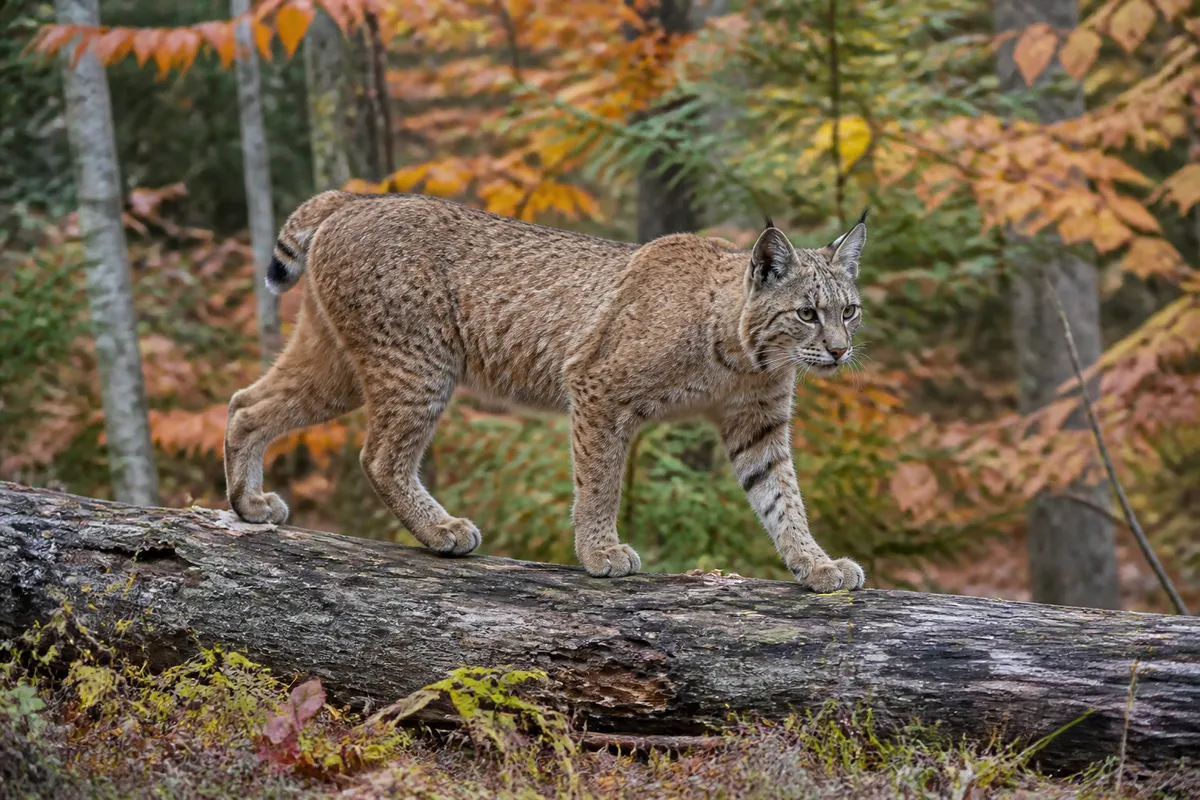
The bobcat is the lynx most Americans might glimpse. It is the smallest lynx, at about 16 to 31 pounds and 28 to 39 inches long, and gets its name from its short, bobbed tail. Because bobcats are common across so much of the continent, they are the lynx most likely to show up on a hiking trail or a trail camera.
How lynxes live: behavior and family life
Lynxes are mostly solitary. The Smithsonian's National Zoo explains that Canada lynxes communicate mainly through scent marking, but also use a range of barks, growls, yowls and cries. They can be active by day or night and tend to be busiest at dawn and dusk.
PBS Nature notes that lynxes usually hunt on the ground, yet they can climb trees and swim well when they need to. A mother gives birth to one to four kittens once a year, typically in spring, and the young stay with her through their first winter, about nine to ten months in total, before setting off on their own.
For a wild cat, that is a long apprenticeship. Learning to catch fast prey in deep snow takes practice, and a young lynx that leaves too early, or in a year when hares are scarce, has a hard time surviving.
House cats that look like a lynx
If you love the lynx look but want a cat that sleeps on your bed instead of in a spruce forest, several domestic breeds have a wild appearance with a domestic temperament.
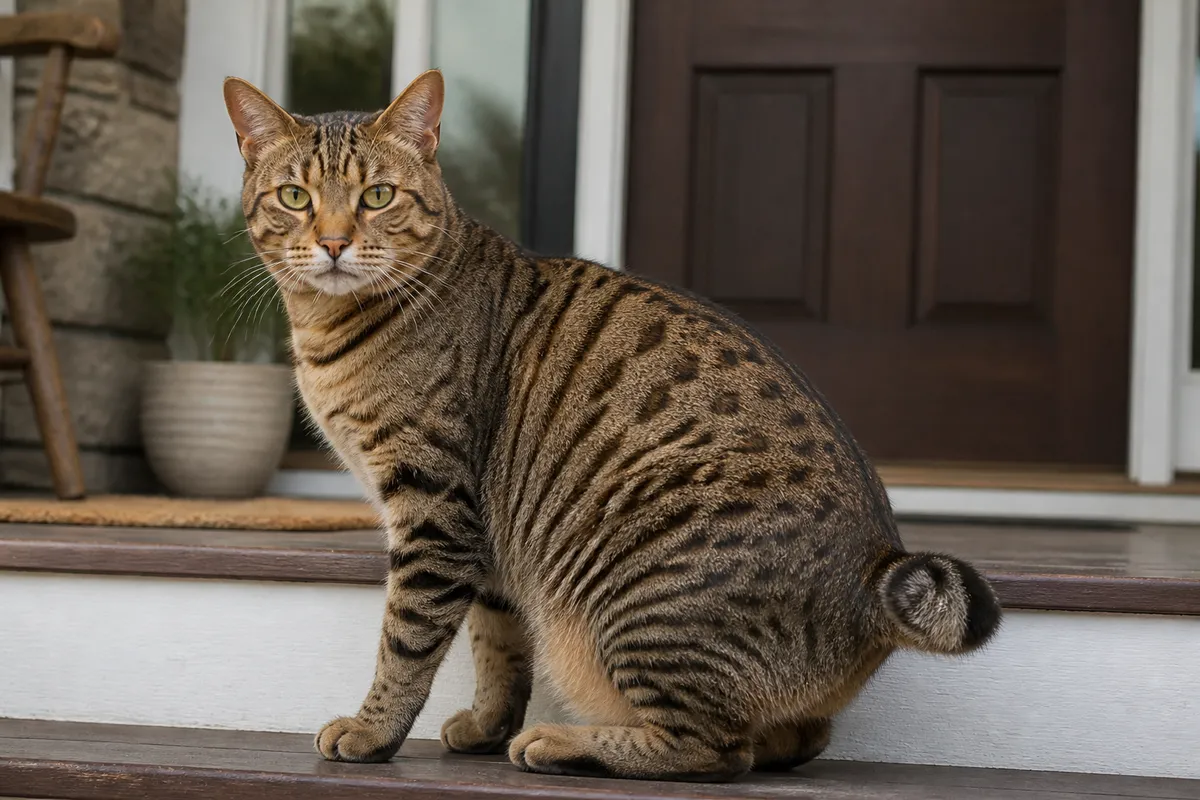
The Pixiebob is the most direct lookalike. The International Cat Association (TICA) says the breed originated in the northwestern United States and resembles the wild Coastal Red Bobcat. Pixiebobs are described as smart, active and social, easy to leash-train, and they are one of only two breeds whose standard accepts extra toes. Despite the look, they are fully domestic cats.
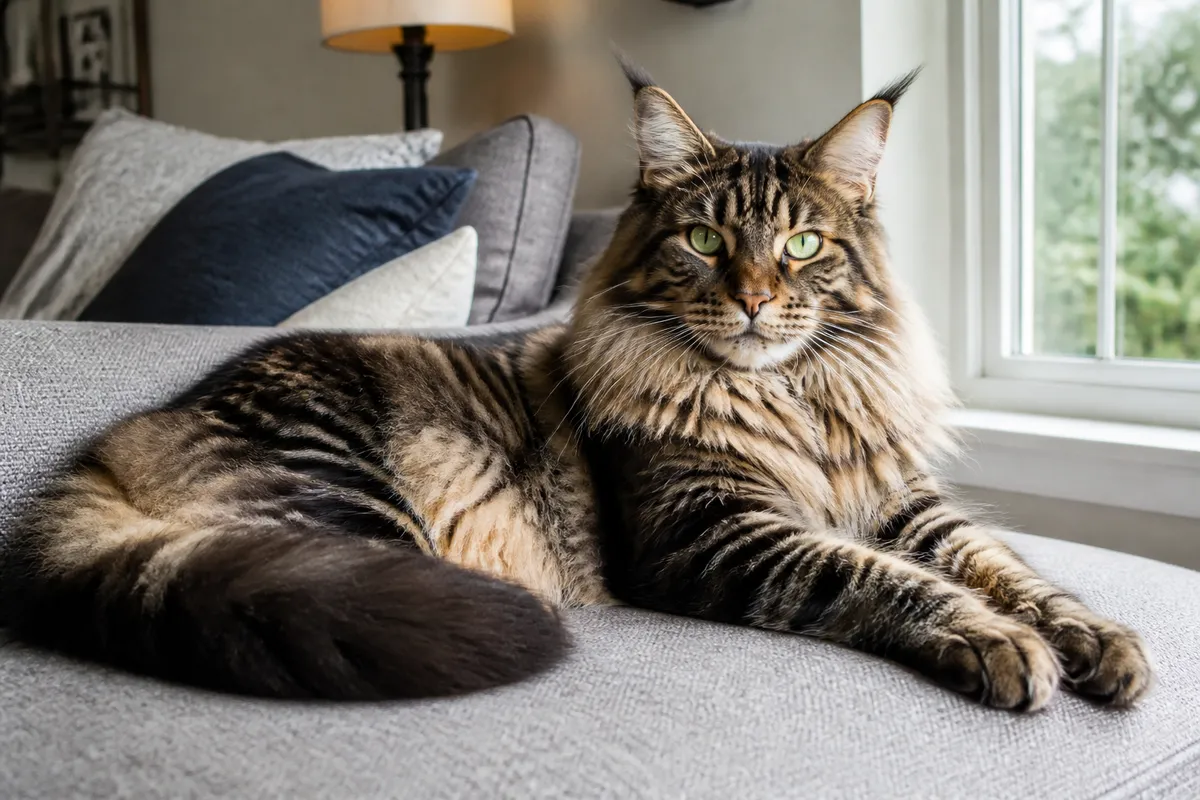
The American Bobtail combines the untamed look of a hunting cat with a mellow, adaptable personality, according to the Cat Fanciers' Association (CFA). It has a naturally short tail and, in longhaired cats, toe tufts are desirable. The Maine Coon is another favorite for lynx fans, with ear tufts, heavy coats and big, tufted paws; it has its own guide.
One naming trap: a lynx point Siamese has nothing to do with lynxes. It is a coat pattern with tabby stripes on the points, covered in our Siamese point colors guide.
Can you keep a lynx as a pet?
Lynxes and bobcats are wild animals with large territories, strong hunting drives and specialized diets. Many US states ban or strictly regulate private ownership of wild cats, and local rules can be even tighter. A lynx in a house is not a bigger cat but a stressed wild animal in the wrong place.
If you find a bobcat kitten or an injured lynx, do not pick it up. Call your state wildlife agency or a licensed wildlife rehabilitator, who can assess whether the animal really needs help and handle it safely.
The best ways to appreciate lynxes are through wildlife trips, accredited zoos and support for habitat protection. For a home companion, a Pixiebob, American Bobtail or Maine Coon delivers the tufts without the permits.
Frequently asked questions
What is a lynx cat?
A lynx is a medium-sized wild cat of the genus Lynx, recognizable by black ear tufts, a short tail and large paws. The four species are the Canada lynx, Eurasian lynx, Iberian lynx and bobcat.
Is a bobcat a lynx?
Yes. The bobcat (Lynx rufus) is one of the four lynx species and the smallest of them. Unlike its relatives, it lacks furry soles and generally does not live in areas of heavy snow.
How big does a lynx get?
It depends on the species. Bobcats and Canada lynxes weigh about 15 to 31 pounds, Iberian lynxes average around 21 to 28 pounds, and the Eurasian lynx, the largest, weighs about 40 to 66 pounds.
Why do lynxes have ear tufts?
Nobody knows for sure. Some scientists think the tufts help sense things above the head, like whiskers, while others think they improve hearing. All lynx species have them.
What house cat looks like a lynx?
The Pixiebob, bred to resemble the wild Coastal Red Bobcat, is the closest match. The American Bobtail and the Maine Coon, with its ear tufts and big tufted paws, are other popular lynx lookalikes.
Is the Iberian lynx still endangered?
It has improved. In 2024 the IUCN moved the Iberian lynx from Endangered to Vulnerable after its population grew from 62 mature animals in 2001 to 648 in 2022. It remains threatened, mainly by changes in rabbit populations.
Sources
- Lynx Fact Sheet, PBS Nature
- Canada lynx, Smithsonian's National Zoo and Conservation Biology Institute
- Iberian lynx rebounding thanks to conservation action, IUCN
- Pixiebob, The International Cat Association (TICA)
- American Bobtail, Cat Fanciers' Association
Last reviewed: November 2026