Siberian Cat: Hypoallergenic Claims, Temperament, Care and Price
Cat Breeds 5 min read reviewed November 2026, 4 sources
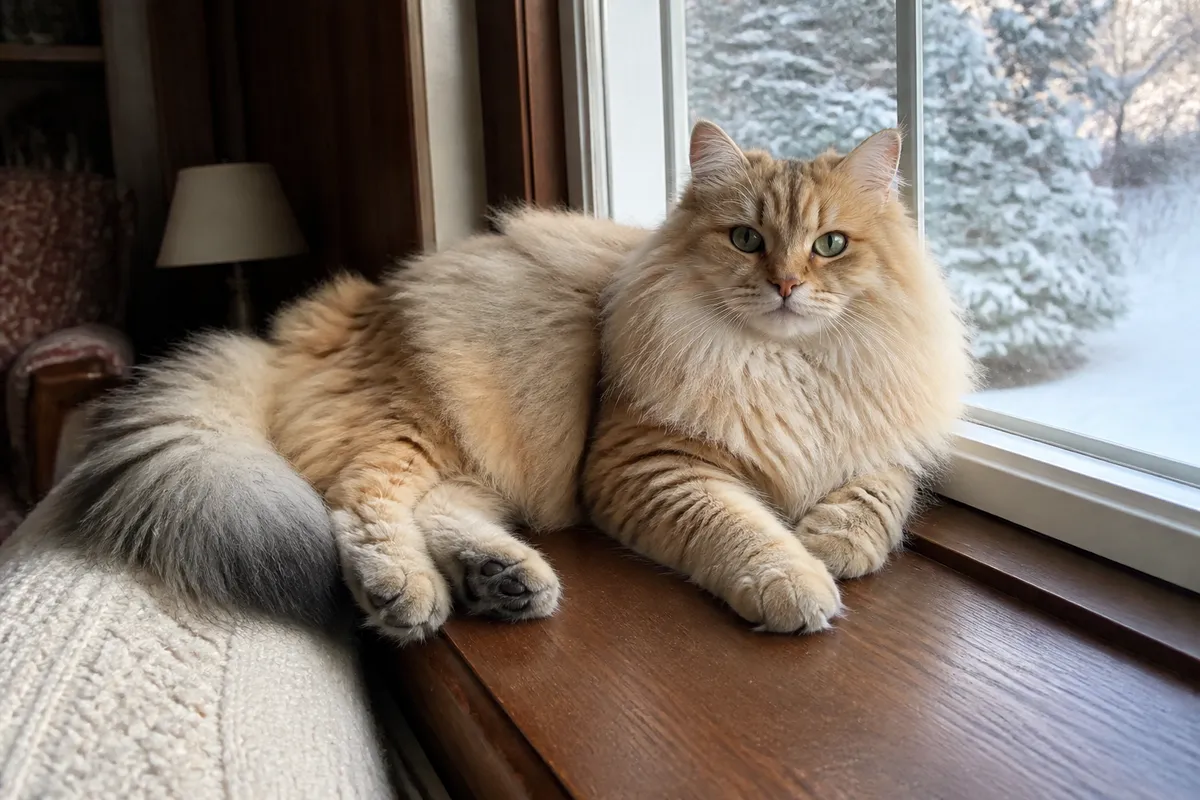
The Siberian cat is Russia's big, sturdy forest cat with a thick triple coat and a friendly, dog-like personality, and it's famous for being called hypoallergenic. The honest answer is that some Siberians may produce less of the main cat allergen, but the evidence is thin and no breed is reliably allergy-safe, so allergic buyers need to test with the actual cat before committing.
Where the Siberian forest cat comes from
The Siberian is Russia's native forest cat and is often called the country's national cat, with references in Russian records going back roughly a thousand years. Shaped by long, cold winters, it developed a dense, weather-resistant coat and a powerful build.
For American cat lovers it's a fairly recent arrival: the first breeding Siberians reached the US in 1990, the Cat Fanciers' Association accepted the breed for registration in 2000, and it earned championship status in 2007.
Size and looks
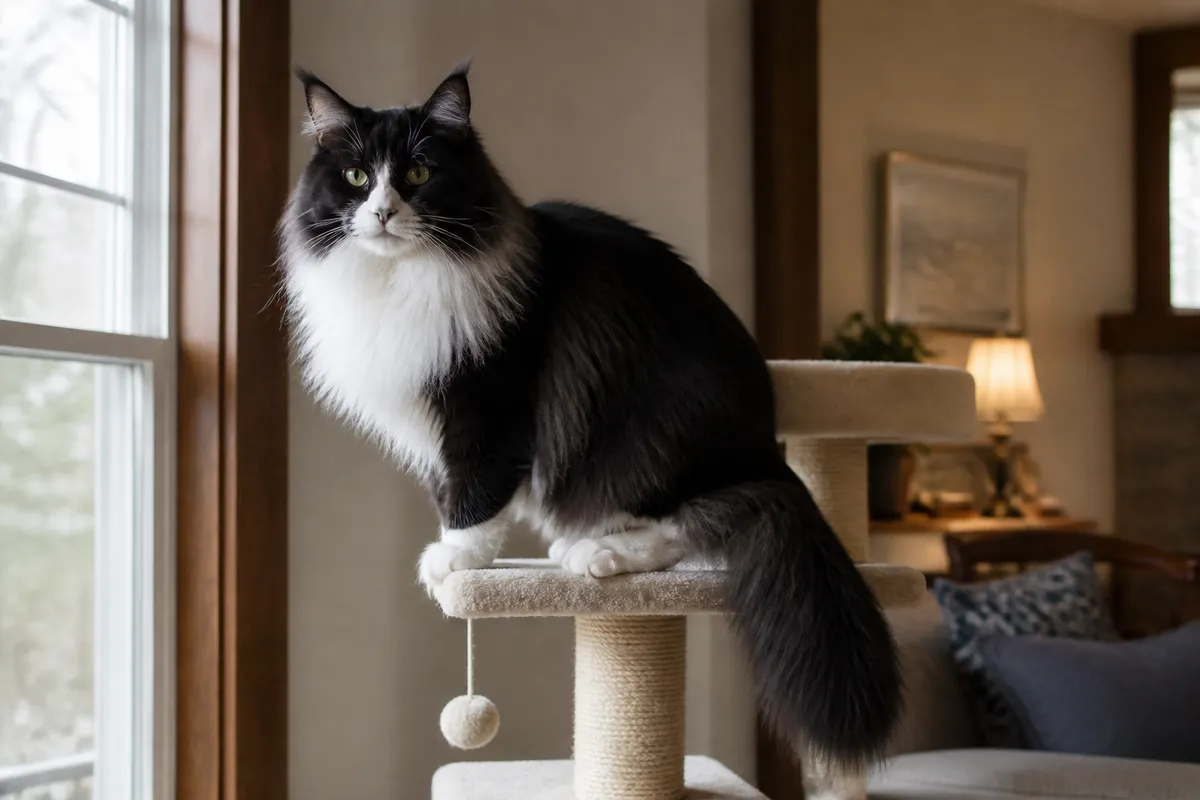
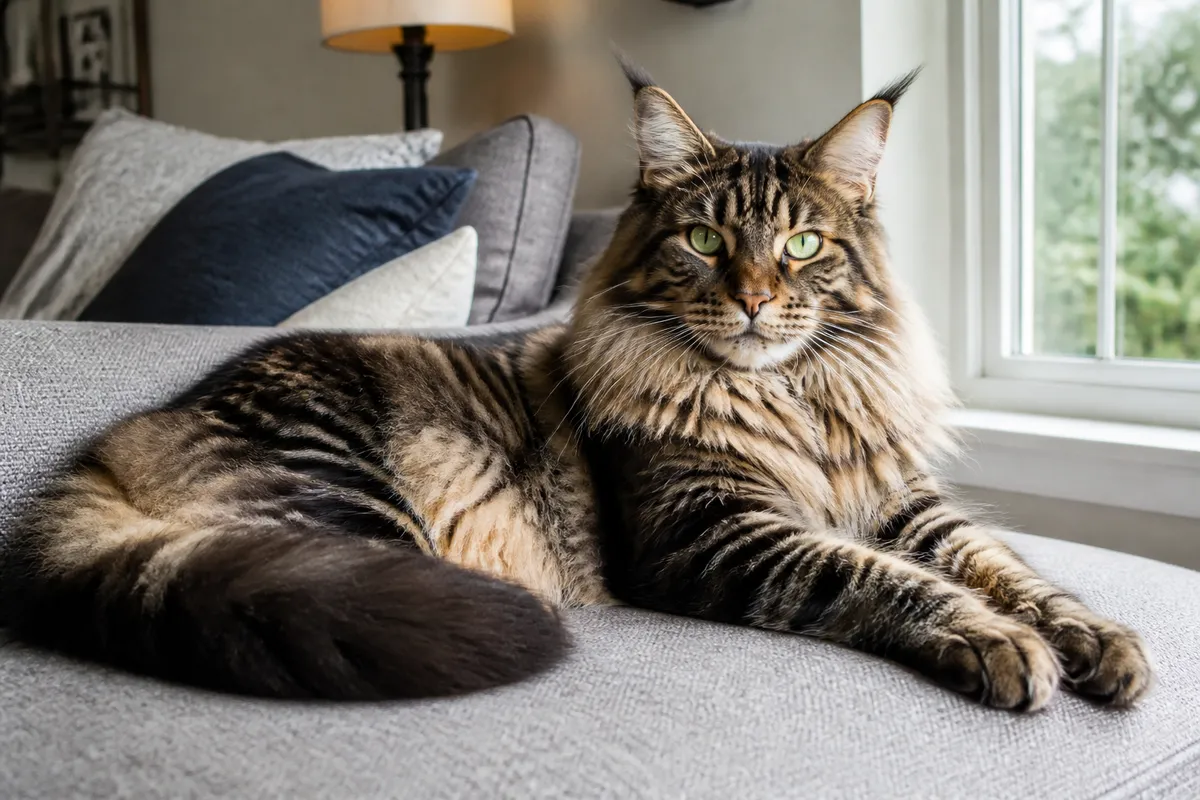
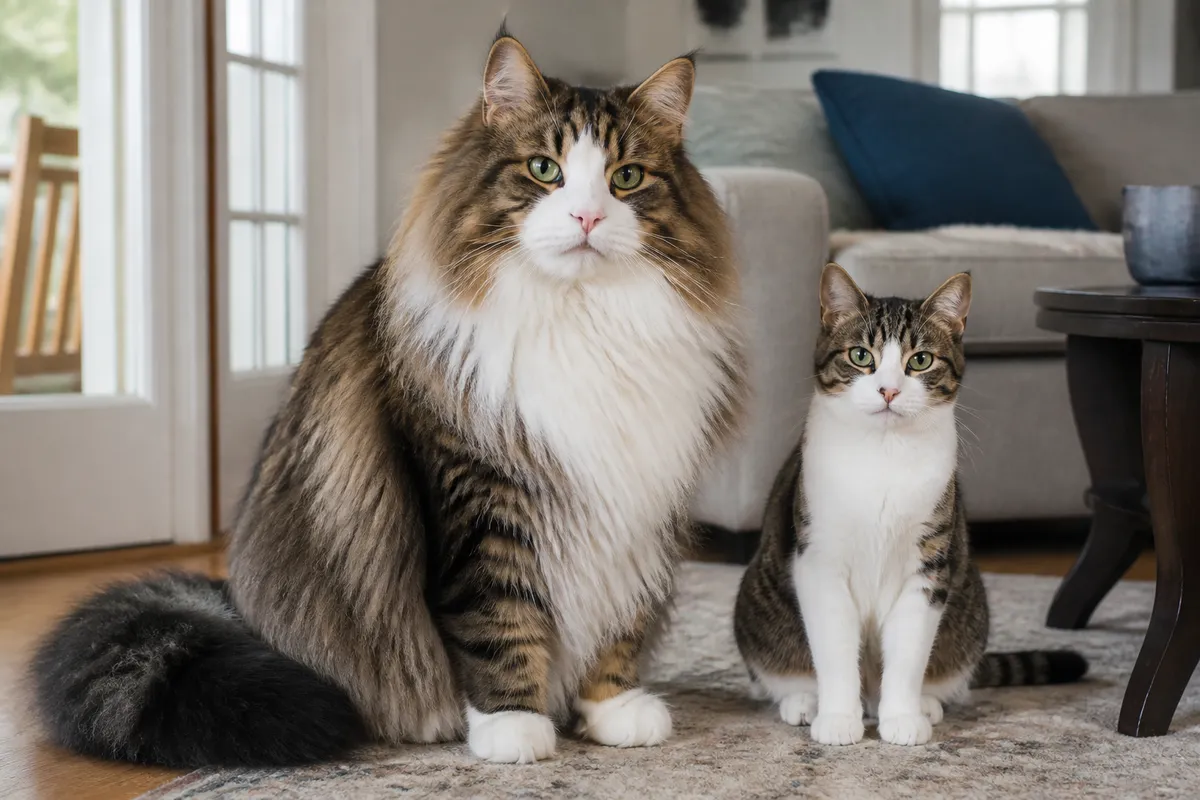
Siberians are large, strong cats. Mature males typically weigh about 12 to 18 pounds and females about 8 to 12. They're one of the slowest-maturing breeds: most reach full size around three years, and some keep filling out until five.
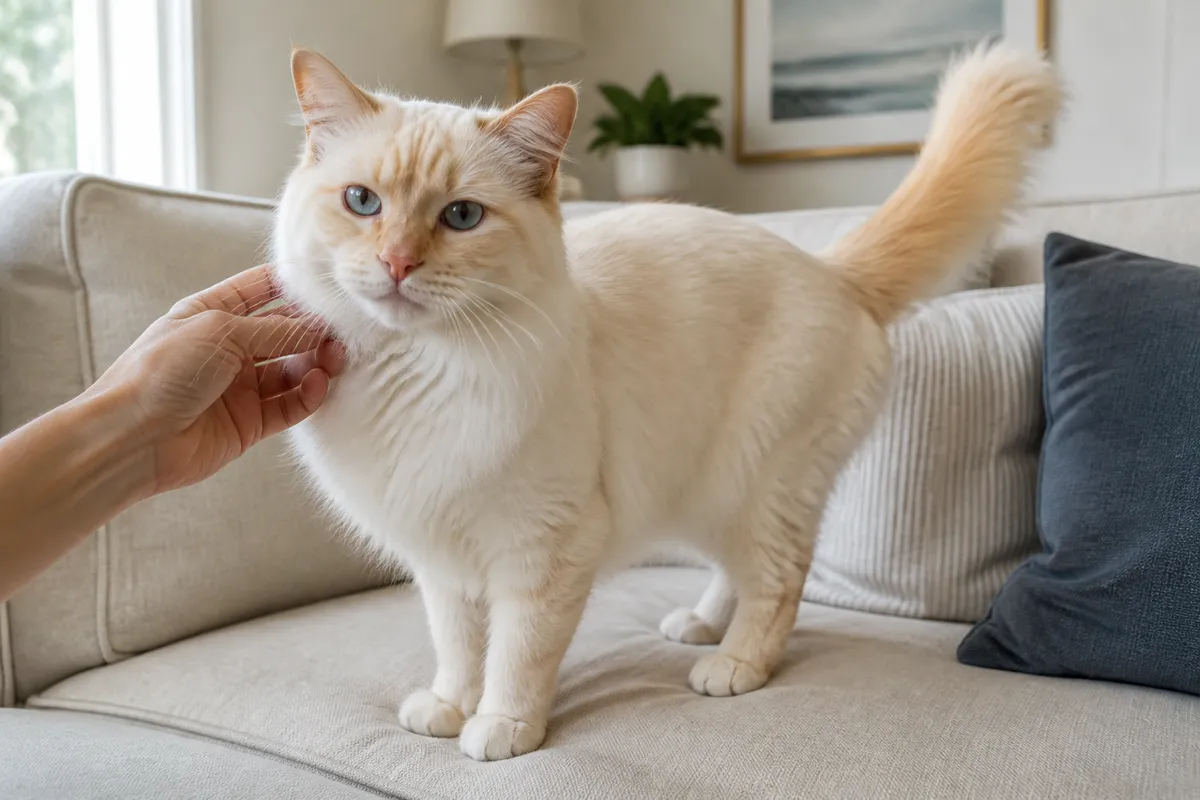
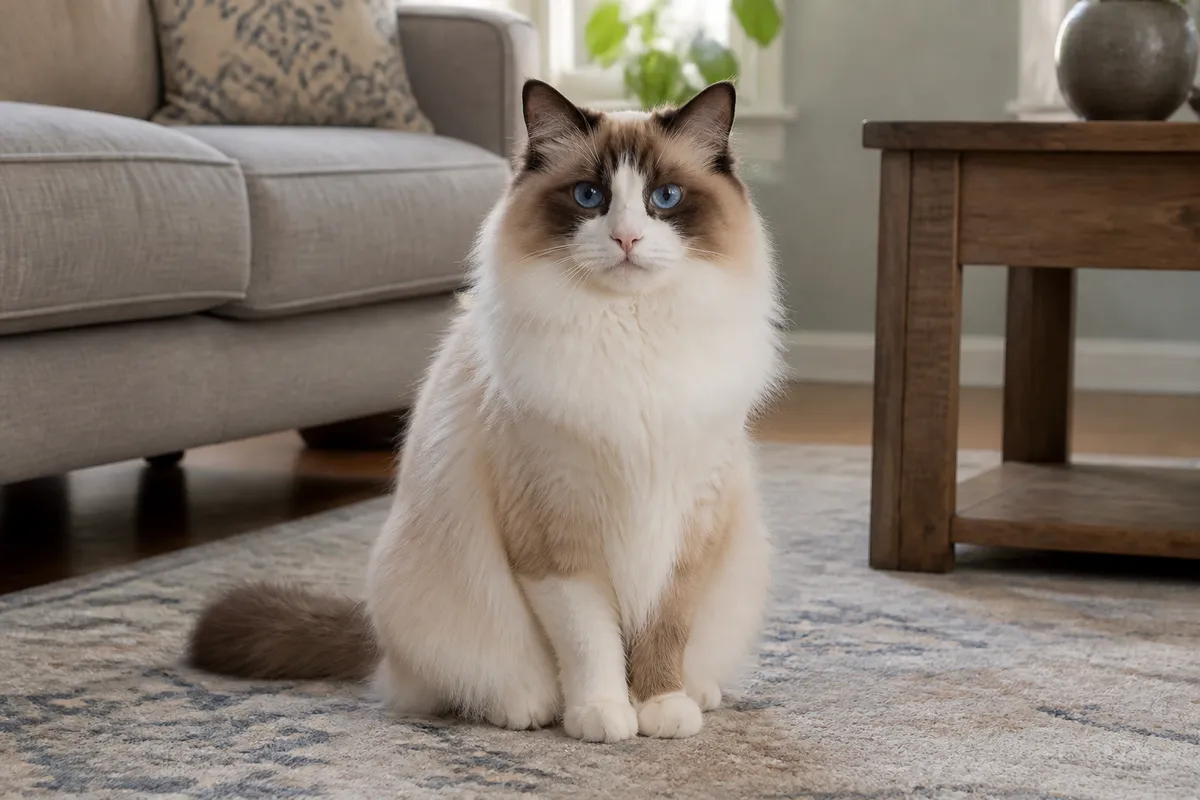
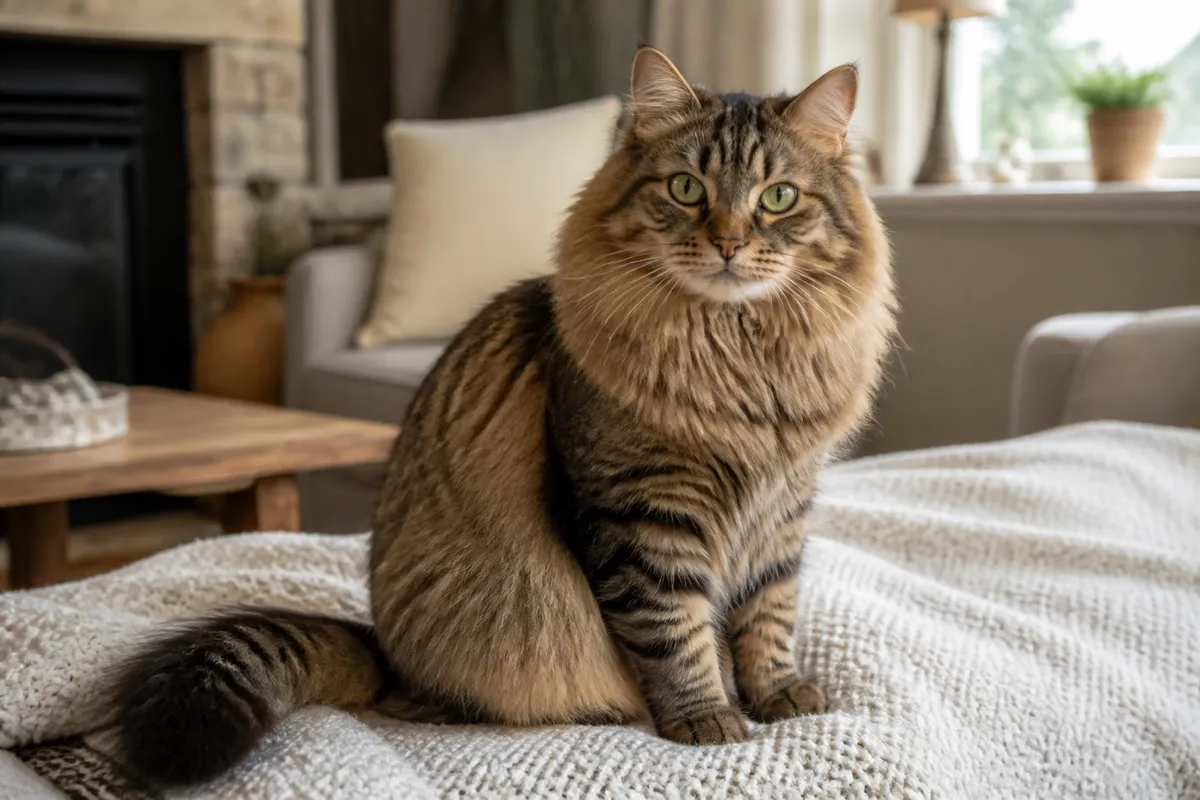
The coat is a dense triple coat, noticeably thicker in winter and lighter in summer. Siberians come in a wide range of colors and patterns, including tabbies, solids, smokes, shadeds, tortoiseshells, bicolors and colorpoints. Brown tabby is the classic look; colorpoint Siberians with blue eyes are sometimes sold under the name Neva Masquerade.
| Trait | Typical for the breed |
|---|---|
| Weight | Males about 12 to 18 lb, females about 8 to 12 lb |
| Full size | Around 3 years, sometimes up to 5 |
| Coat | Dense triple coat, heavier in winter |
| Grooming | Weekly to occasional; more during seasonal shedding |
| Personality | Sociable, easygoing, curious, dog-like |
| Good with | Kids, dogs and other cats in most cases |
| Allergen claim | Not proven; varies from cat to cat |
Are Siberian cats hypoallergenic? What the science says
The main cat allergen is a protein called Fel d 1, made mostly in the skin's sebaceous glands, the salivary glands and the anal glands. Cats spread it onto their fur when they groom. Nearly all cat-allergic people react to it, so the question is how much a given cat produces.
Some breeders say Siberians make less Fel d 1, and a small 2017 study did find more gene variants for Fel d 1 in Siberians than in shorthairs. But it included only four Siberians, only three had their saliva measured, and two of those three still had clearly measurable allergen in their saliva. A later research review concludes that no breed has been shown to be consistently allergen-free, that levels overlap heavily between breeds, and that the individual cat matters more than the breed.
Other factors matter too. Male cats generally produce more Fel d 1 than females, and neutering is linked to lower production. The broader topic, including other breeds, is covered in the guide to hypoallergenic cats.
- Spend several hours with the breeder's adult cats, ideally the parents, before you commit.
- Ask whether the breeder has had saliva or fur allergen tests done, and treat results as a hint, not a guarantee.
- Consider a spayed female, since females and neutered cats tend to produce less allergen.
- Talk to your allergist about whether living with any cat is realistic for you.
- Agree in writing what happens if the allergy turns out to be unmanageable.
Siberian temperament: placid with a dash of mischief
Siberians are intelligent, curious, sociable and easygoing, often described as having a dog-like personality. Breeders like to say they're "90 percent placid and 10 percent mischief." They bond closely with their people, like to be involved in whatever's happening and usually get along well with dogs, other cats and children.
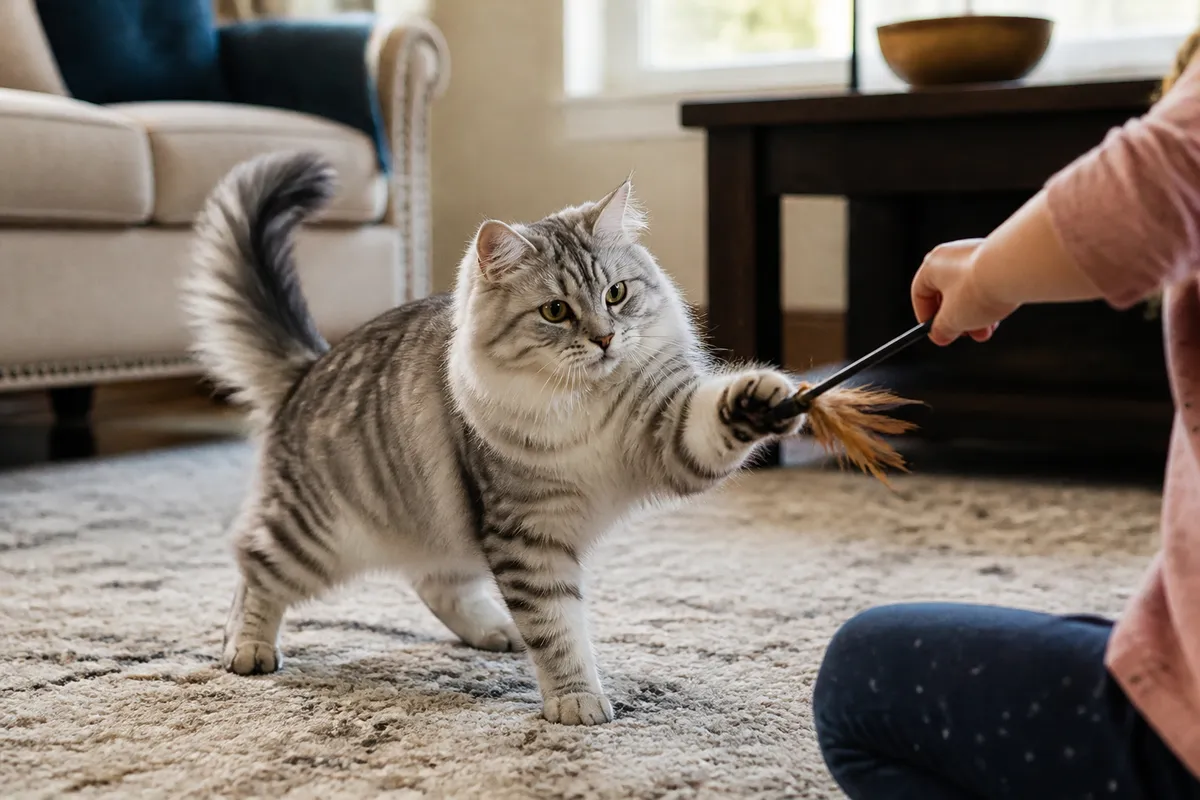
They're athletic and strong jumpers despite their size, so give them sturdy climbing furniture and daily play. Their calm, people-friendly nature is one reason some are used as emotional support animals.
Many Siberians enjoy fetch, puzzle toys and learning simple tricks for treats. They're also typically patient with handling, which makes vet visits, nail trims and grooming sessions easier than with more high-strung breeds.
Coat care and grooming
Grooming needs vary a lot between individual Siberians. Some need weekly combing; others go weeks without tangles. Mats most often form on the belly, the tail and the "britches" on the back legs, so check those spots a few times a week and tease out small clumps with your fingers or a steel comb.
Expect heavier shedding when the coat changes between winter and summer. During those weeks, combing every day or two keeps hair off the furniture and reduces hairballs. If you're allergic, frequent grooming by a non-allergic family member and washing the cat's bedding often can help reduce allergen in the home.
Siberian health
Siberians are generally robust, natural cats, but responsible breeders use genetic and veterinary testing to limit hereditary problems. The two most commonly discussed are hypertrophic cardiomyopathy (HCM), a thickening of the heart muscle, and polycystic kidney disease (PKD), inherited kidney cysts. Ask to see heart ultrasound results and PKD testing for the parents.
As with any large, calm cat, weight control matters for long-term joint and heart health. Measure meals and keep up daily play.
Siberian kittens for sale: price and breeders
The CFA notes that preventive health testing can make Siberians more expensive than some breeds. Prices vary by breeder, region, color and pet versus breeding rights, and there's no official figure. Be skeptical of any breeder who guarantees a kitten is hypoallergenic: no one can promise that.
Use the CFA's scam checklist: no kittens sold at six to eight weeks, no large nonrefundable deposits, no pressure to ship without meeting, and a written contract with health guarantee. Kittens should go home at 12 weeks at the very least, ideally 16. Adult Siberians are sometimes rehomed through breed rescues and breeders retiring their cats, which is also a chance to test your allergies with a grown cat.
Who the Siberian suits
A Siberian suits families, multi-pet homes and people who want a big, affectionate, playful cat that isn't high-strung. It's a risky choice if you're buying mainly because of an allergy claim without testing yourself first, or if you can't handle seasonal shedding from a heavy coat.
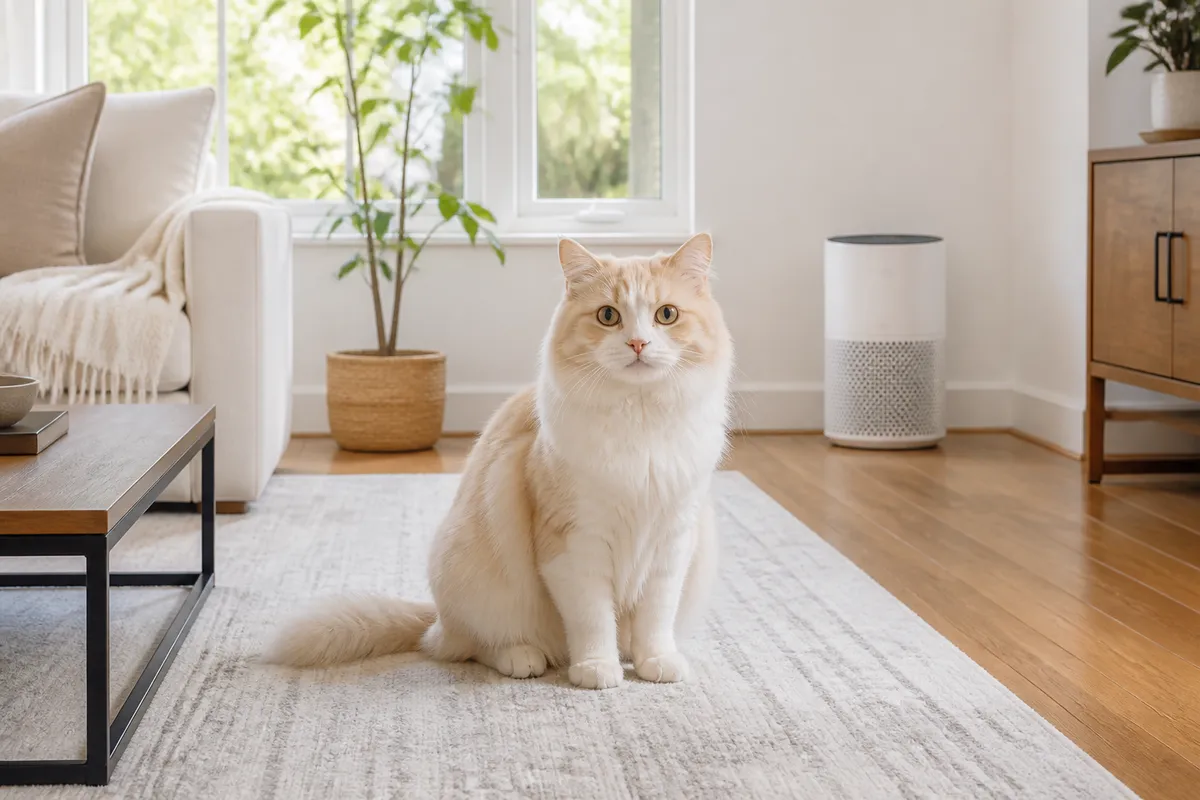
If allergies are part of your story, plan the first months carefully: keep the cat out of the bedroom at first, run a HEPA air purifier, vacuum often and wash throws and cat beds weekly. Those steps lower allergen in the home with any cat, and they give you a fair test of whether living with a Siberian works for you before the bond gets too deep to undo.
Frequently asked questions
How much does a Siberian cat cost?
Prices vary by breeder, region and whether you buy a pet or a breeding cat, and there's no official figure. Health testing adds to the cost. Be wary of very cheap kittens and of any seller promising a guaranteed hypoallergenic cat.
Are Siberian cats good for people with allergies?
Some allergic people do better with a Siberian, but it's not guaranteed. Allergen production varies from cat to cat, research on the breed is limited, and you should spend time with the specific cat and talk to your allergist first.
Do Siberian cats shed?
Yes, especially when the coat changes between seasons. Their dense triple coat sheds more in spring and fall, so combing more often during those weeks helps.
What's the difference between a Siberian and a Norwegian Forest Cat?
Both are large forest cats from cold climates. The clearest difference is the head: Norwegians have a triangular head with a perfectly straight profile, while Siberians have a more rounded, moderate look. Registration papers are the only proof of either.
How big do Siberian cats get?
Males usually weigh about 12 to 18 pounds and females about 8 to 12. They mature slowly and may keep growing until three to five years old.
Are Siberian cats affectionate?
Very. They're known for a sociable, dog-like personality, bond closely with their people and usually get along with kids and other pets.
Sources
- Siberian breed profile, Cat Fanciers' Association
- Polymorphism Analysis of Ch1 and Ch2 Genes in the Siberian Cat, Veterinary Sciences via PubMed Central
- Taming pet allergens: strategies to make furry cats less allergenic, PubMed Central
- Could This Kitten Be A Scam?, Cat Fanciers' Association
Last reviewed: November 2026