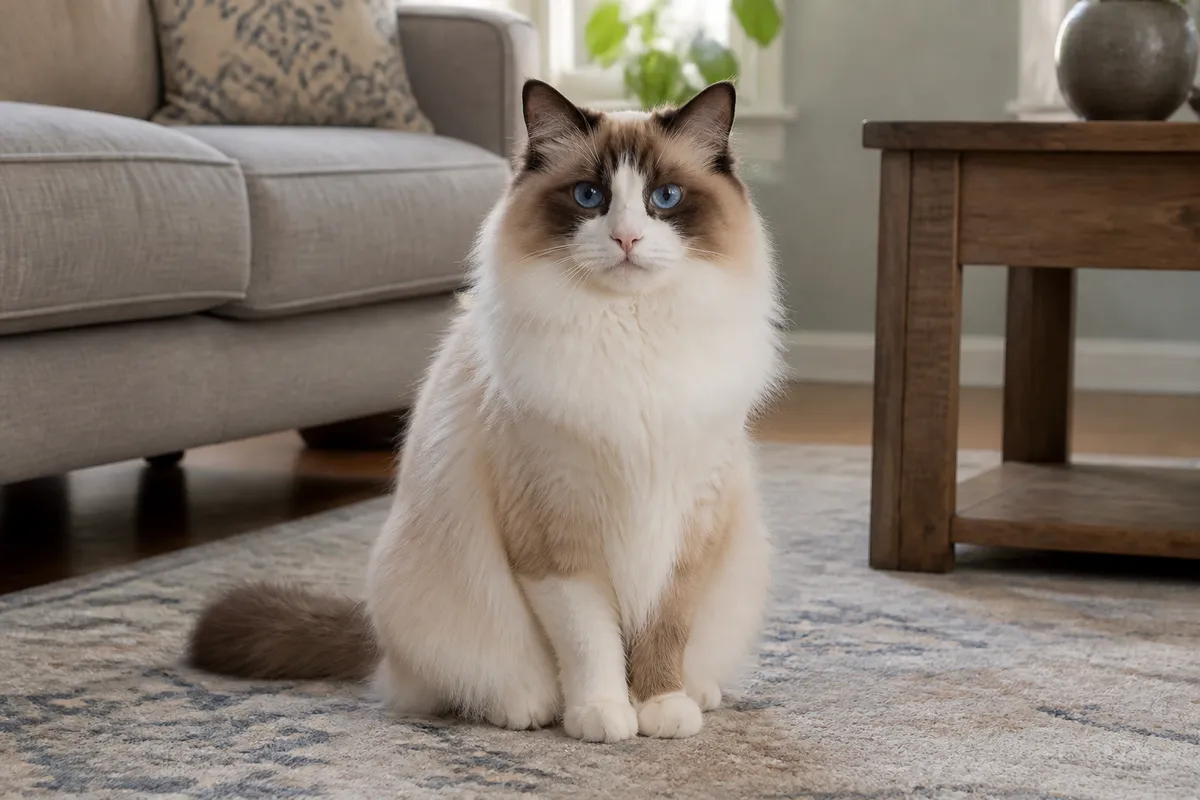
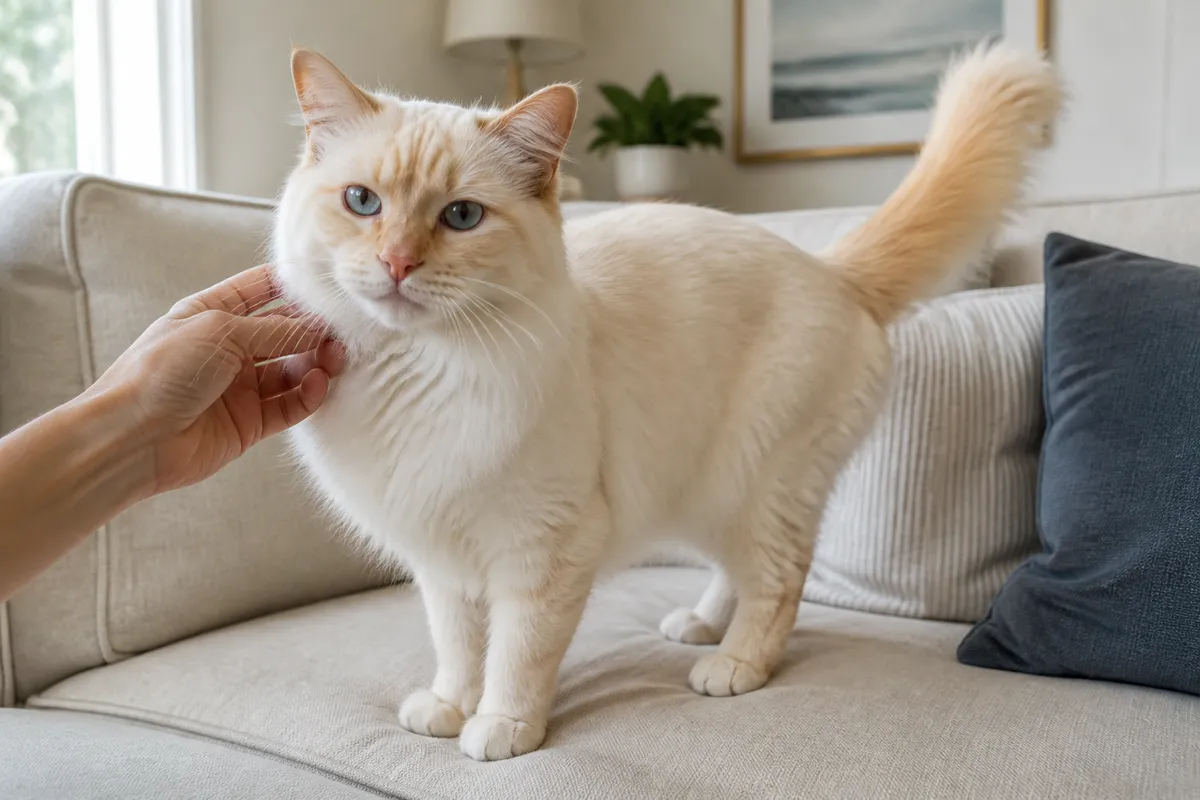
American Bobtail Cat: Short Tail, Big Heart and a Dog-Like Personality
Cat Breeds 5 min read reviewed November 2026, 5 sources
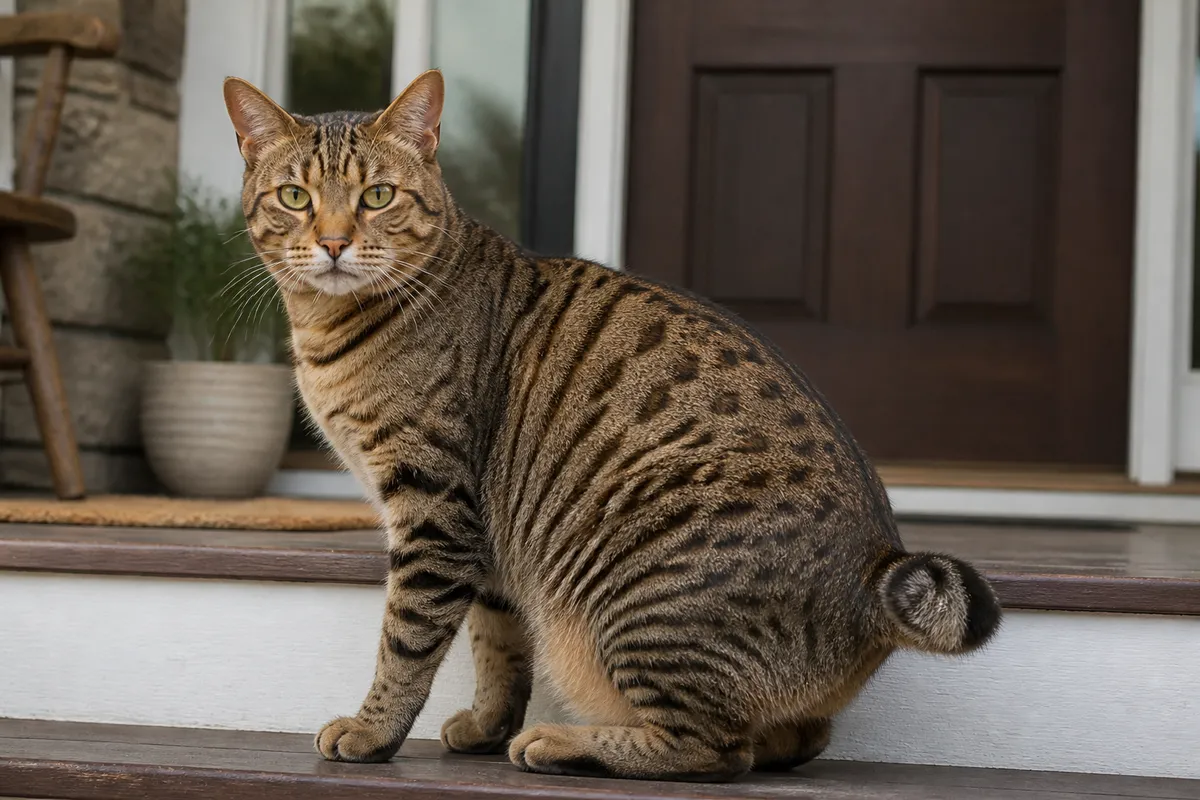
The American Bobtail is a sturdy, medium to large cat with a naturally short, expressive tail, the result of a dominant gene and not of docking. It's friendly, playful and famously dog-like: many walk on a leash, play fetch and greet guests at the door.
Where the American Bobtail comes from
The breed's origins are a bit hazy. The most popular story, told by VCA, is that in the late 1960s an Iowa couple, John and Brenda Sanders, found a short-tailed brown tabby kitten named Yodie (sometimes spelled Yodi) while on vacation in Arizona. He was bred to their female, and some of the kittens had bobbed tails too. CFA adds that breeders later worked with bobtailed feral cats from across the US and Canada to build the breed.
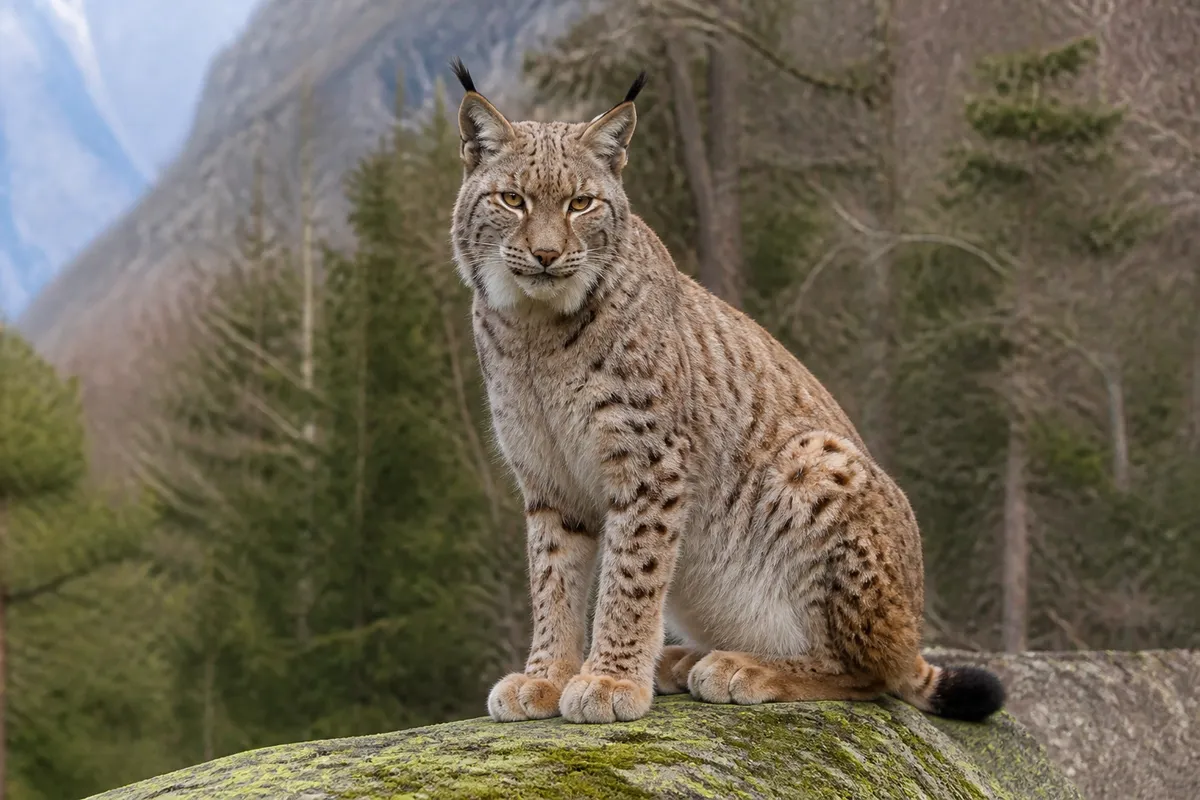
Forget the myth that bobtails are part bobcat. They're entirely domestic cats with a spontaneous mutation. CFA accepted the American Bobtail for registration in 2000 and gave it provisional status in 2005, and today it's shown in both shorthair and longhair divisions.
How the bobtail cat gets its short tail
According to CFA, the bobtail gene is dominant, so a kitten needs only one copy from one parent to have a short tail. That also means litters can be mixed: some kittens bobbed, some with longer tails.
The ideal tail is about half the length of a normal tail, broad at the base and flexible, and should be visible above the back when the cat is alert. VCA puts typical tail length at about one to four inches. No two tails are exactly alike: some are straight, some have kinks or curls.
Short tails aren't completely free of risk. CFA notes that the tail mutation can make some cats prone to spine and hip problems, and that completely tailless cats may have incontinence issues; responsible breeders remove those cats from their programs. Ask any breeder how their kittens' tails and backs are checked.
Looks and size
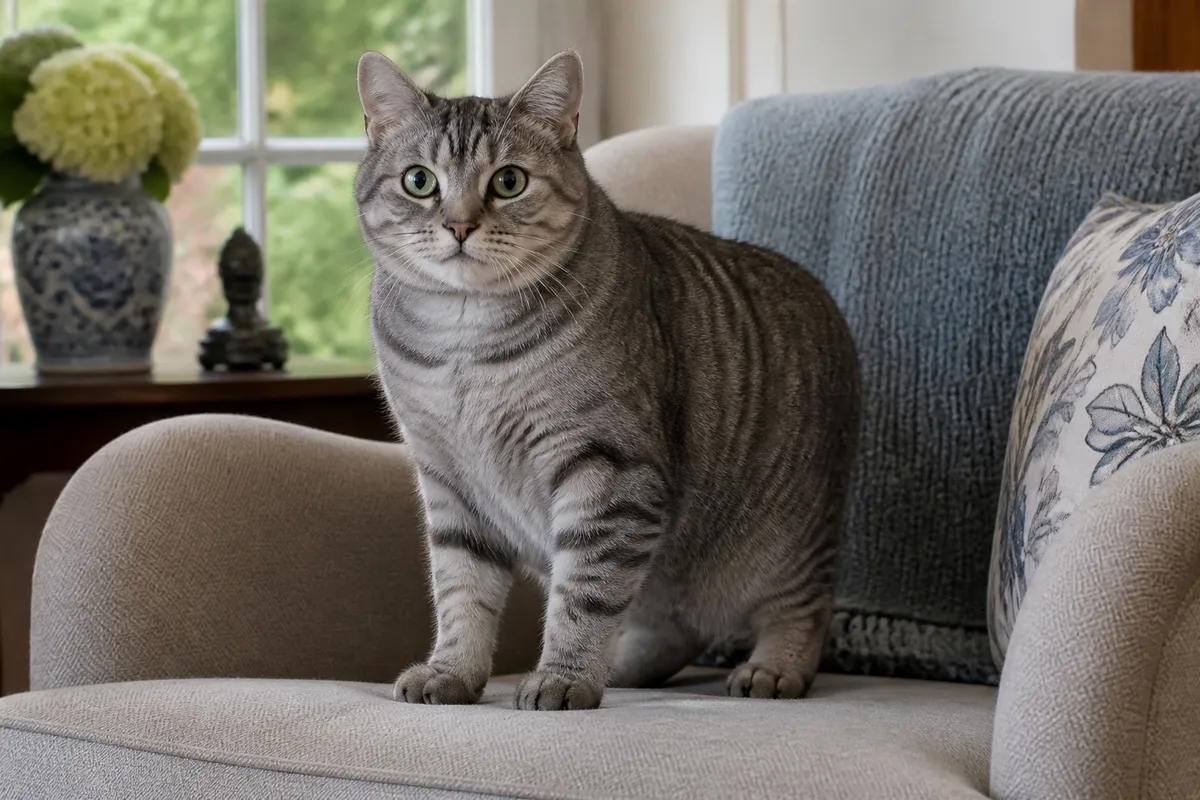
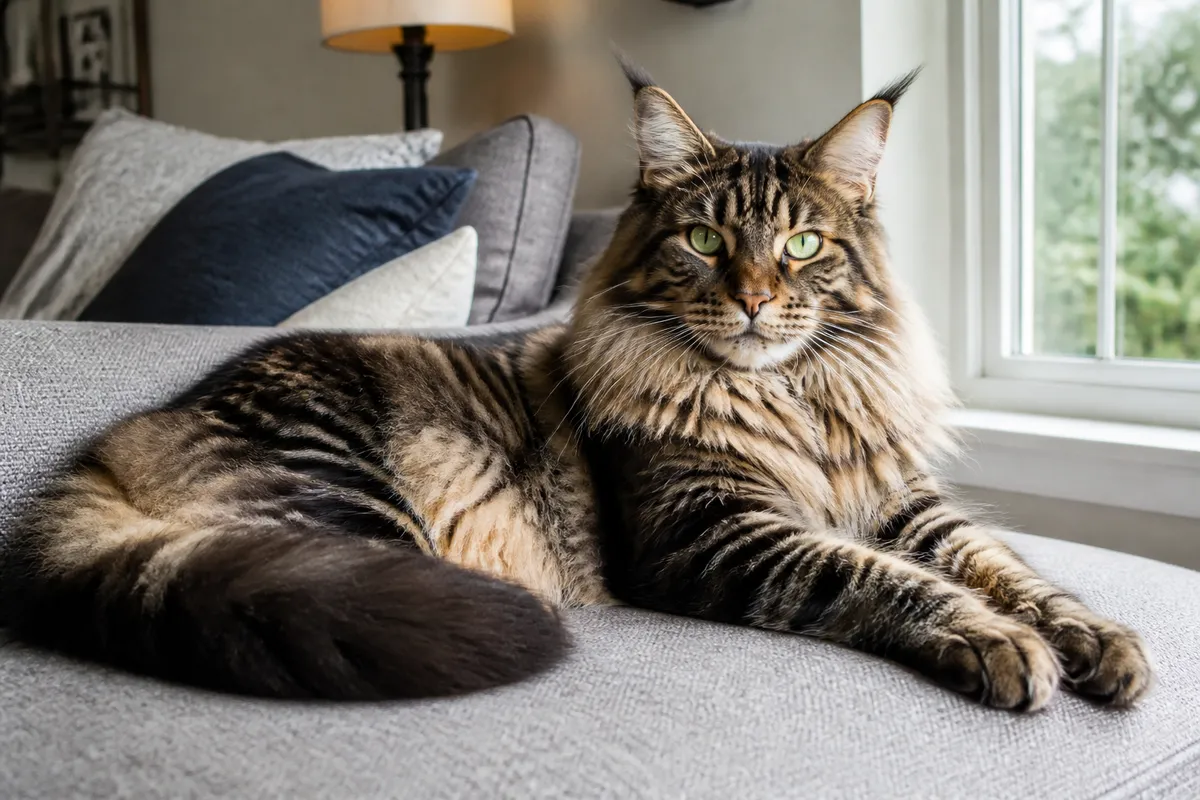
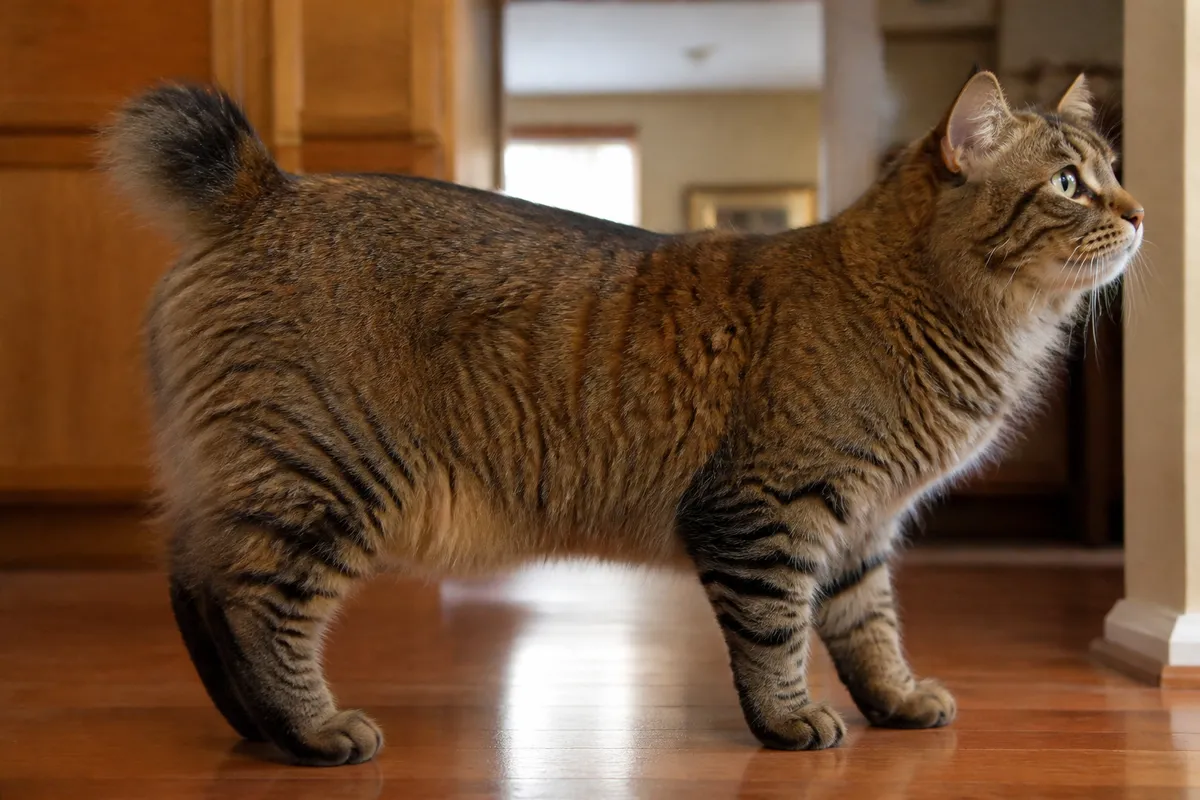
American Bobtails are built like athletes: medium to large, muscular, with a broad chest, substantial hips and a moderately long, rectangular body. The head is a broad modified wedge with almond-shaped eyes that give a slightly wild expression. CFA notes they often feel surprisingly heavy for their size, and females are generally smaller than males.
VCA gives a weight range of about 11 to 20 pounds and says the breed can take up to three years to reach full maturity. The double coat comes in shorthair or longhair, in every color and pattern, and CFA describes it as resilient and non-matting.
| Trait | Details |
|---|---|
| Origin | United States, late 1960s |
| CFA | Registration 2000, provisional 2005 |
| Tail | Naturally short, about 1 to 4 inches, dominant gene |
| Weight | About 11 to 20 pounds |
| Lifespan | About 15 to 20 years |
| Maturity | Up to about 3 years |
| Coat | Shorthair or longhair, double coat, non-matting |
| Temperament | Friendly, playful, intelligent, dog-like |
The dog-like American Bobtail personality
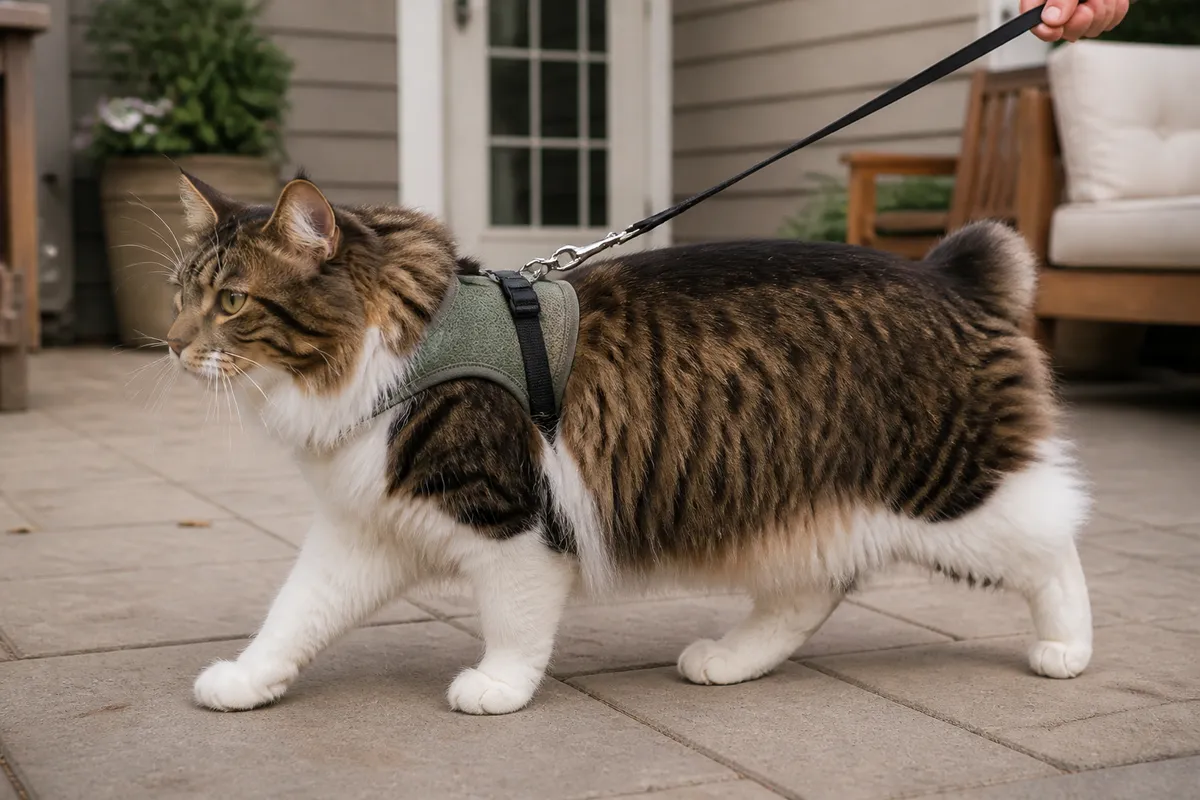
CFA calls the breed intelligent, affectionate and independent, with strong family bonds. It's easily leash trained and often enjoys walks, and it generally gets along with dogs. VCA adds that Bobtails crave interaction, often greet visitors at the door, get along with kids, cats and dogs, and prefer chirps and trills to loud meows.
They're also clever thieves. VCA describes them as playful cat burglars that like to steal shiny objects, so keep earrings and keys out of reach. VCA even says the breed is well suited to therapy visits, which tells you a lot about its steady, social nature.
Channel the energy with fetch, puzzle feeders, harness walks and clicker training. A Bobtail that has a job is a happy Bobtail.
- Often plays fetch and walks on a harness
- Quiet voice, mostly chirps and trills
- Usually great with children and other pets
- Steals small shiny things for fun
Care and grooming
Grooming is easy. CFA says weekly brushing or combing is enough, and occasional baths can help with shedding. VCA suggests weekly brushing for longhairs and about twice a month for medium coats.
Because this is a big, muscular cat that matures slowly, give it sturdy furniture: a heavy cat tree that won't wobble, a large litter box and a long scratching post. Keep it lean with measured meals and active play, since carrying extra weight is hard on joints, especially in a breed where CFA mentions spine and hip concerns.
If you ever notice a change in how your Bobtail walks, jumps or uses the litter box, have a vet check its back and hips.
- A heavy, wide-based cat tree that does not wobble under a 15-pound cat
- An extra-large litter box with low entry
- A well-fitting harness if you plan outdoor walks
- Puzzle feeders and fetch toys for daily brain work
- Measured meals: big cats still need portion control
Health
CFA says the breed's genetic diversity suggests few significant health problems, and VCA lists a lifespan of about 15 to 20 years. The main breed-specific topic is the tail mutation itself, with possible spine and hip issues and incontinence in completely tailless cats.
When choosing a kitten, ask the breeder about any spine, hip or litter box problems in their lines, make sure the kitten moves and jumps normally, and get a written health guarantee. CFA's general buying advice applies: visit, meet at least one parent and ask about the return policy.
Because Bobtails grow slowly, a kitten can look lanky for a long time before it fills out. Ask your vet to track growth and body condition at each visit, so you can tell the difference between a cat that is still maturing and one that is getting heavy.
Other bobtail cat breeds
Several unrelated breeds have short tails, and they're not all caused by the same gene. The Manx and Pixie-Bob have their own articles, so here's just the quick comparison. The Japanese Bobtail is an ancient breed: CFA says bobtailed cats appear in Japanese art from the Middle Ages, and the first ones were imported to the US in 1968. Its tail is short, kinked or curled, and gives a pom-pom look.
| Breed | Origin | Tail |
|---|---|---|
| American Bobtail | United States, late 1960s | About half normal length, flexible |
| Japanese Bobtail | Japan, centuries old | Very short, kinked or curled, pom-pom look |
| Manx | Isle of Man | From completely tailless to nearly full length |
| Pixie-Bob | United States | Short, with a wild look |
Who the American Bobtail suits
Great for families with kids, homes with dogs, and people who want an interactive, trainable cat that joins in on everything, maybe even a harness walk around the block.
They also adapt well to busy family life, as long as someone has time to play every day.
Less ideal for very small apartments with no room for climbing and play, or for owners who want a decorative lap cat. And if you leave jewelry on the nightstand, this breed will consider it a donation.
Frequently asked questions
Is the American Bobtail part bobcat?
No. Despite the wild look, American Bobtails are fully domestic cats. The short tail comes from a natural dominant gene mutation.
Are American Bobtails born with short tails?
Yes, the tail is naturally short at birth, not docked. Because the gene is dominant, some kittens in a litter may have longer tails than others.
How big do American Bobtails get?
They're medium to large cats. VCA gives a range of about 11 to 20 pounds, and they can take up to three years to fully mature.
Do American Bobtails have health problems because of their tails?
Most are healthy, but CFA notes the tail mutation can make some cats prone to spine and hip problems, and completely tailless cats may have incontinence. Responsible breeders screen for this.
Can you walk an American Bobtail on a leash?
Many can. CFA says they're easily leash trained and often enjoy walks. Use a well-fitting harness and start indoors with short, positive sessions.
What other cats have bobtails?
The Japanese Bobtail, Manx and Pixie-Bob are the best-known short-tailed breeds. Each has a different history, and the Manx can be completely tailless.
Sources
- American Bobtail breed profile, The Cat Fanciers' Association
- American Bobtail, VCA Animal Hospitals
- Japanese Bobtail breed profile, The Cat Fanciers' Association
- Manx breed profile, The Cat Fanciers' Association
- Finding the Purr-fect Pedigreed Kitten, The Cat Fanciers' Association
Last reviewed: November 2026