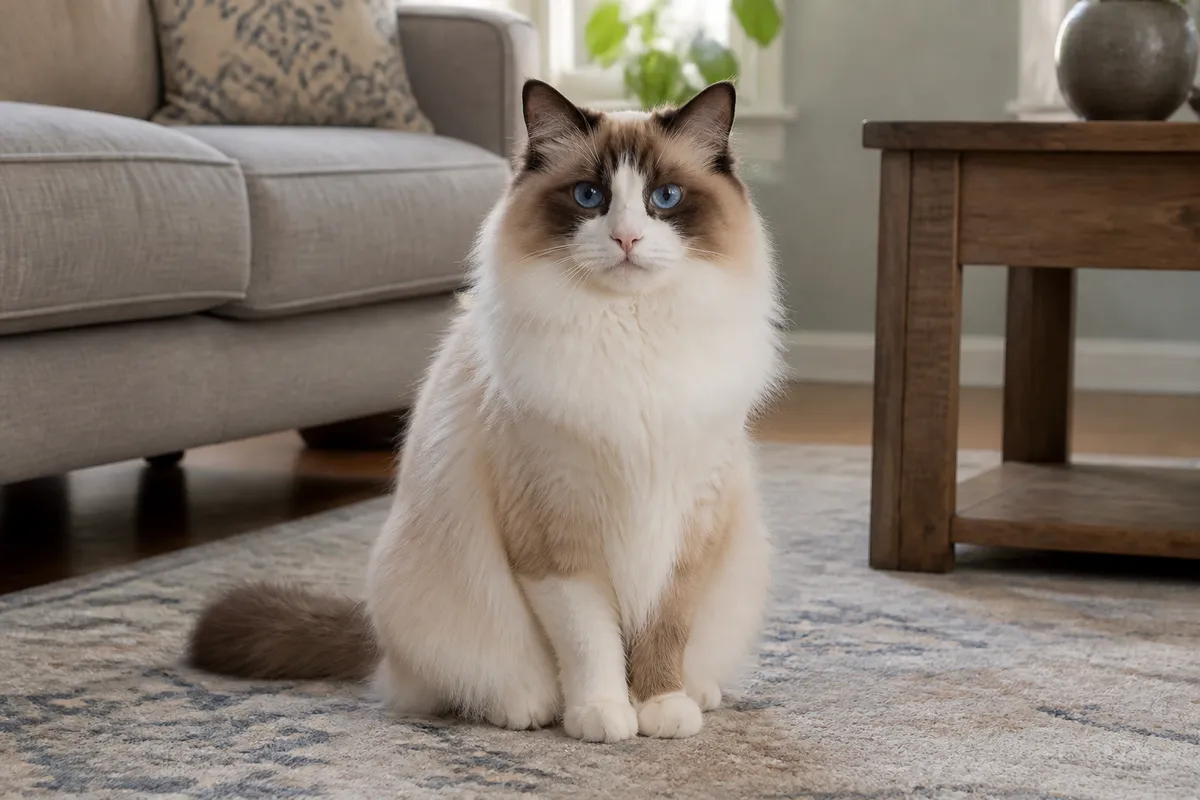
Domestic Short Hair Cat: What DSH Really Means and Why They're Great
Cat Breeds 5 min read reviewed November 2026, 4 sources
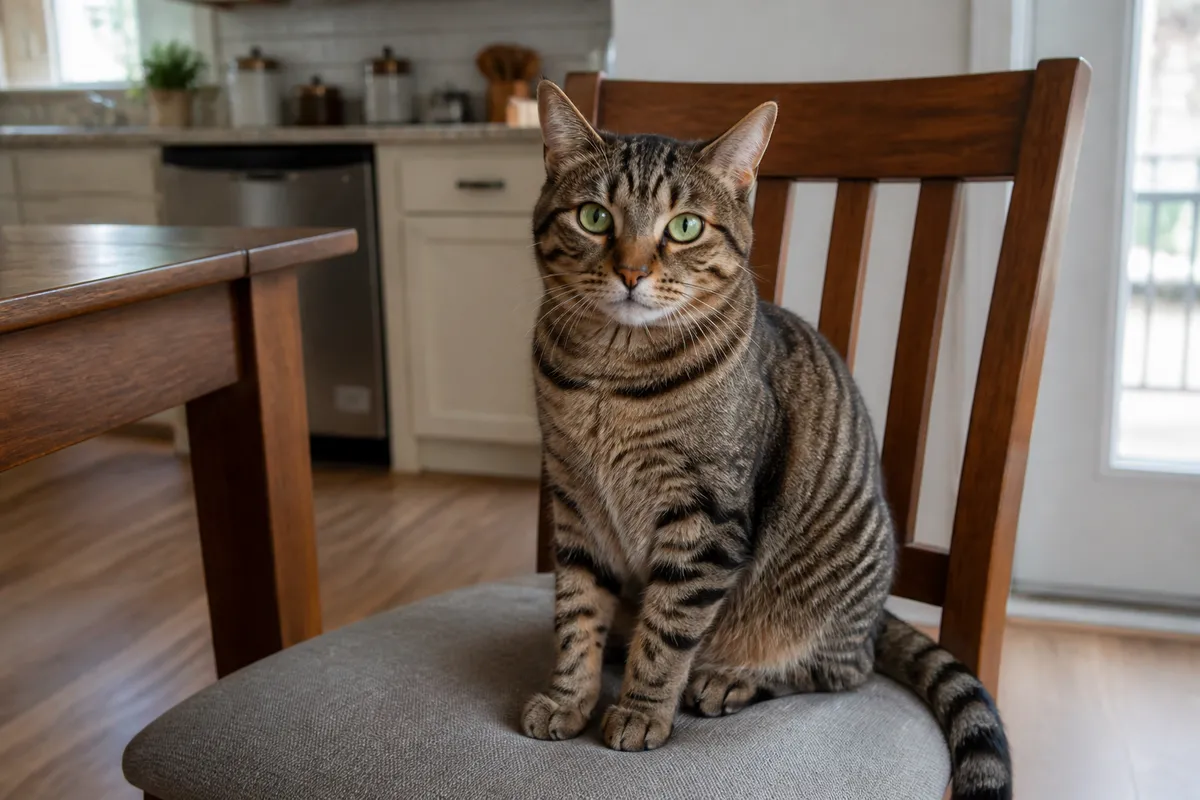
A domestic short hair (DSH) is not a breed: it's the label shelters and vets use for a mixed-breed cat with a short coat and unknown ancestry. That's most of the cats in America, and the short version is good news: you get a sturdy, adaptable cat in almost any color, with a personality that's entirely its own.
What domestic short hair means on a shelter card
When you read DSH on an adoption profile, the shelter is telling you two things: the cat has a short coat, and nobody knows its family tree. The CFA describes mixed-breed kittens, which it also calls domestic shorthairs, domestic longhairs or moggies, as usually the result of an unplanned mating between two cats of unknown heritage.
It's a description, not a pedigree. You'll also see DMH (domestic medium hair) and DLH (domestic longhair). The fluffy version has its own article on domestic long haired cats.
Moggy, or moggie, is the British nickname for the same thing, a friendly everyday cat without papers. If someone asks what breed your cat is, domestic shorthair is a perfectly correct answer.
Domestic shorthair vs. American Shorthair
This trips up a lot of people. The American Shorthair is a pedigreed breed with a written standard, and according to VCA it was actually called the Domestic Shorthair until it was renamed in 1966. Today the two terms mean different things.
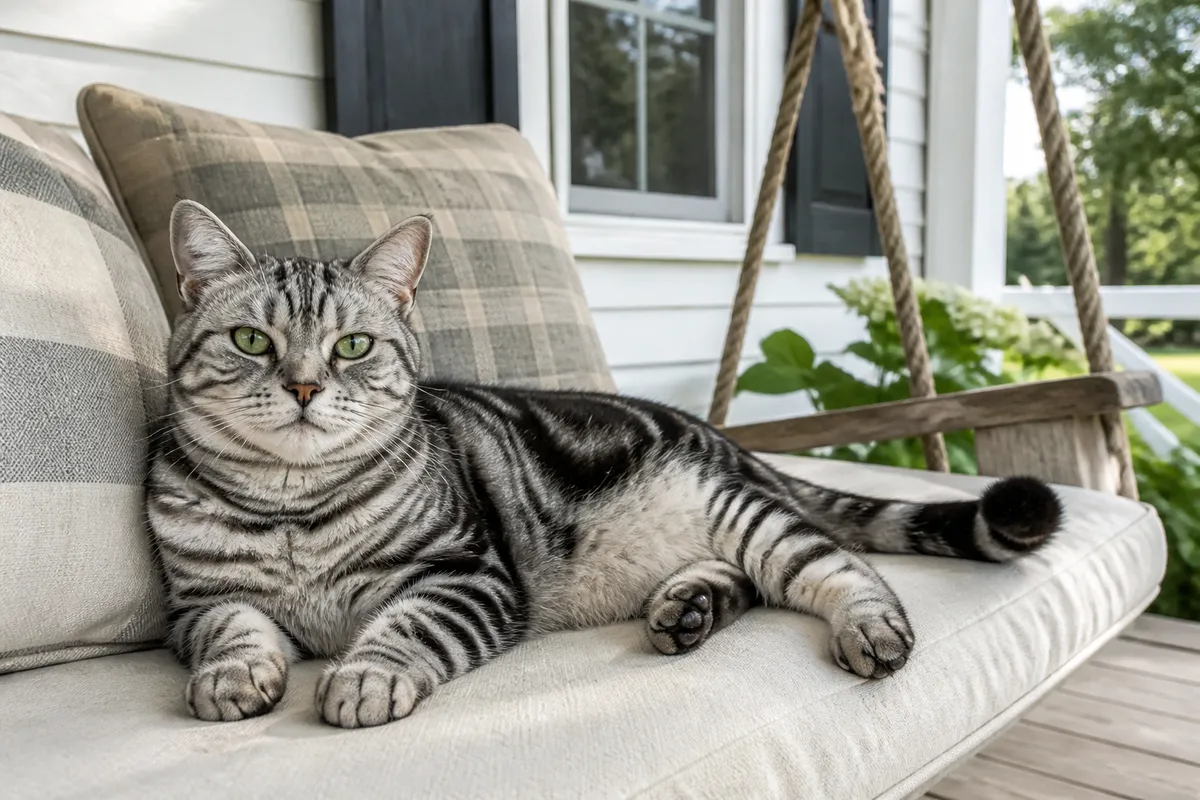
A random-bred tabby from a shelter can look a lot like an American Shorthair, but without registered parents it's a DSH. That doesn't make it any less of a cat. It just means its looks and personality weren't planned by a breeder.
| Label | What it means | Papers? |
|---|---|---|
| Domestic shorthair (DSH) | Mixed-breed cat with a short coat, unknown ancestry | No |
| Domestic medium hair / longhair | Same idea with a longer coat | No |
| Moggy | British slang for a mixed-breed house cat | No |
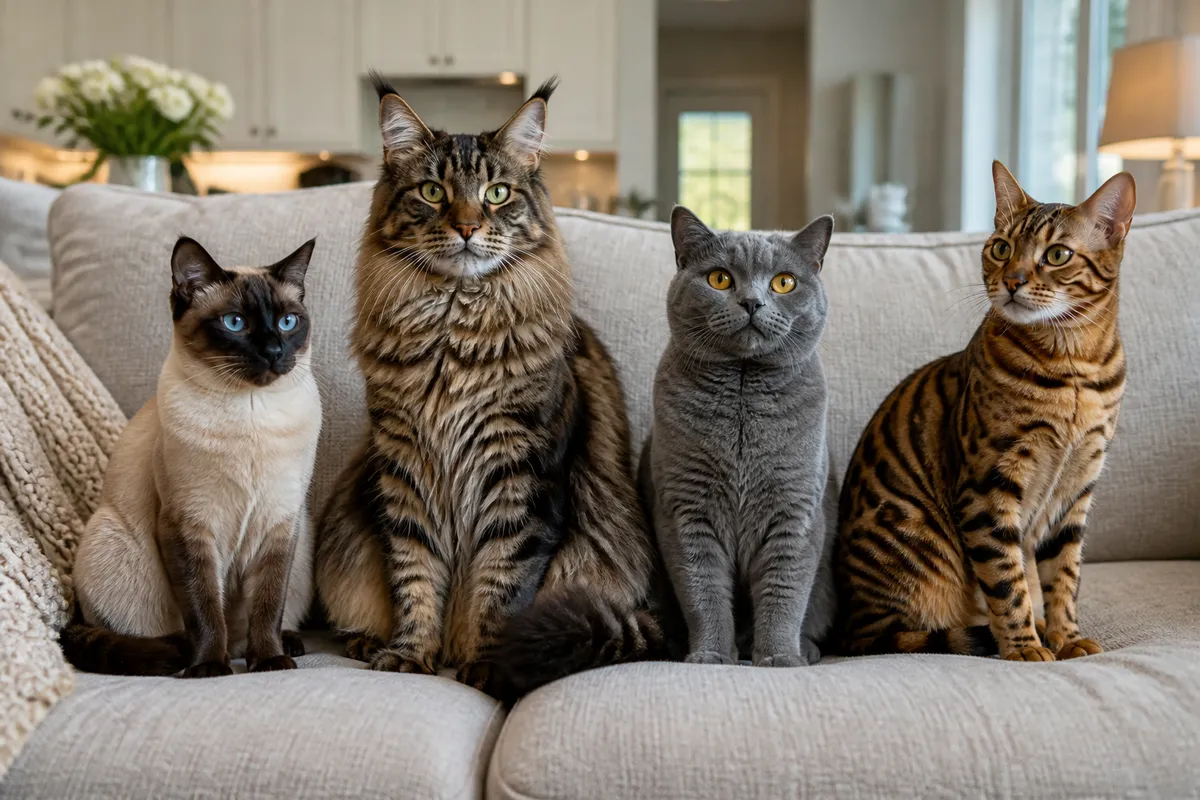
| American Shorthair | Pedigreed breed, renamed from Domestic Shorthair in 1966 | Yes |
| British Shorthair | Pedigreed breed with a dense plush coat and round face | Yes |
What a shorthair cat can look like
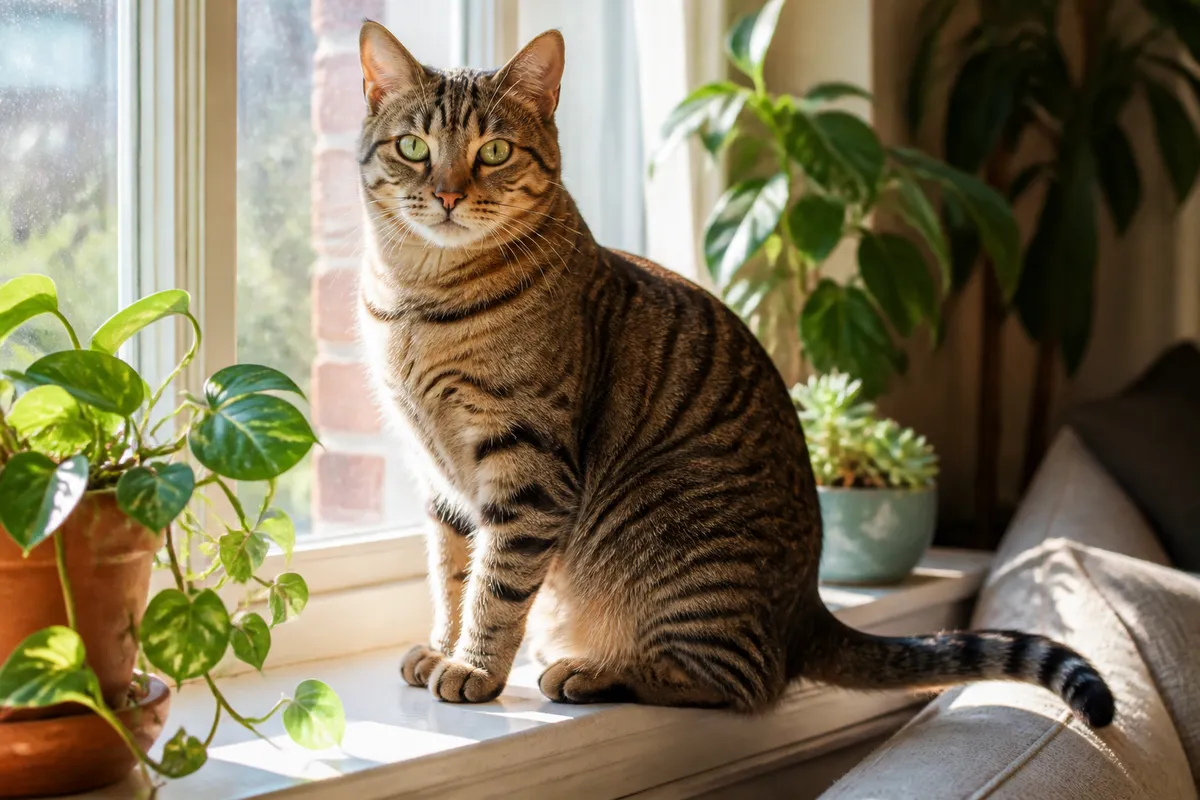
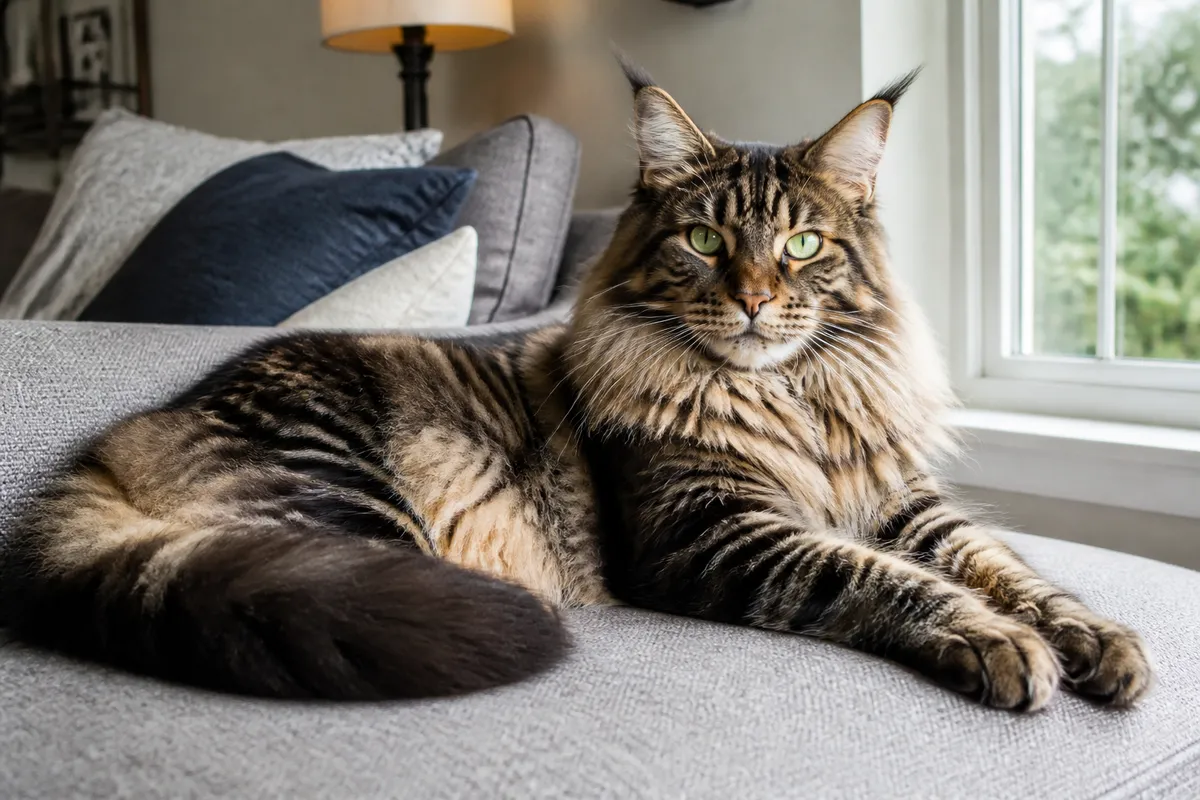
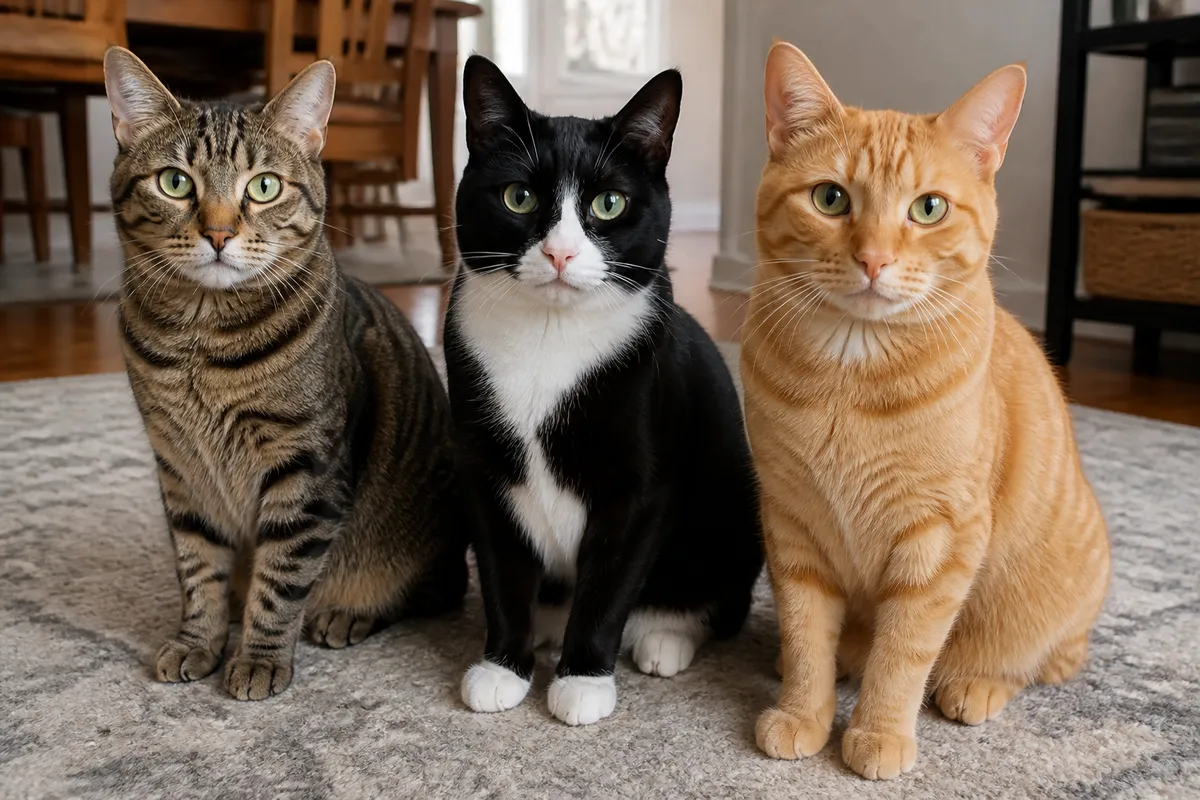
Anything. Because there's no breed standard, a domestic shorthair can be lean or chunky, big or petite, with any head shape and any eye color. Body size usually lands in the typical house cat range rather than at the extremes of giant or tiny breeds.
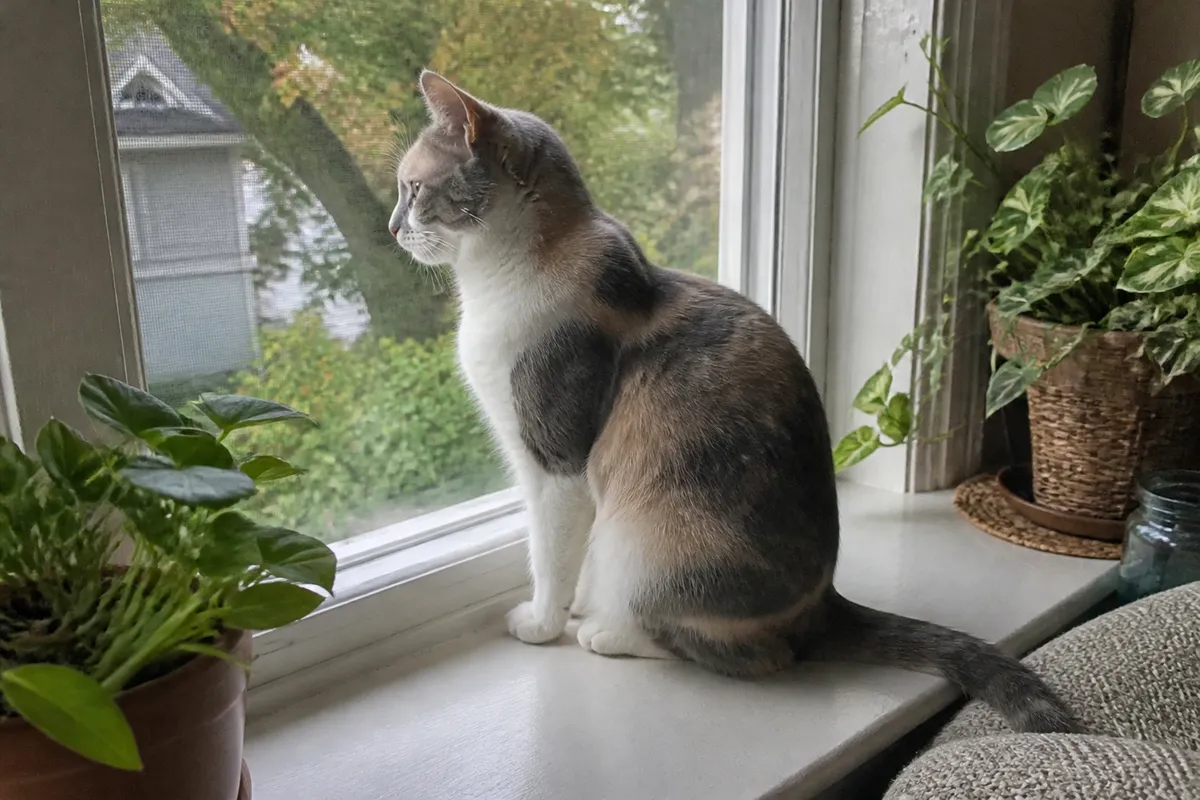
Coat colors and patterns cover the whole palette. Tabby, black, orange, gray, tuxedo, calico and tortoiseshell are all common, and each of those coats has its own article if you want to know what your cat's pattern says about its genetics.
Most DSH coats are easy to care for. A weekly brush removes loose hair, cuts down on hairballs and lets you check the skin for lumps, fleas or scabs.
Domestic short haired cat personality
With a mixed-breed cat, personality comes from genetics you can't see plus early life. A kitten that was handled kindly and met people, sounds and other animals during its first weeks usually grows into a confident adult. A cat that spent its early life outdoors without people may stay shy for longer.
That's why adopting an adult can be a smart move. With a grown DSH, shelter staff and foster parents can tell you whether the cat is a lap cat, a talker, a hunter of hair ties or a calm observer. What you see is mostly what you get.
Tip: ask the shelter how the cat behaves with handling, with other cats and at the vet. Those three answers tell you more than color or age.
- Does the cat seek out people, or wait to be approached?
- How does it react to being picked up and to nail trims?
- Has it lived with other cats, dogs or kids, and how did that go?
- Is it active and playful or more of a window watcher?
- Does it use the litter box reliably?
Health and lifespan of a domestic shorthair
Mixed-breed cats come from a large, varied gene pool, so they're less likely to carry the breed-specific inherited problems that come with small pedigreed populations. They still get the common cat illnesses, like dental disease, obesity, kidney disease and hyperthyroidism in older age, so routine vet care matters just as much.
There's no separate lifespan figure for DSH cats. VCA puts the average lifespan of an indoor cat at about 16 to 18 years and notes that living past 20 isn't unusual, and the CFA says well-cared-for cats often live 15 years or more. Indoor living, a healthy weight and yearly checkups are what move your cat toward the high end. The cat lifespan article goes deeper.
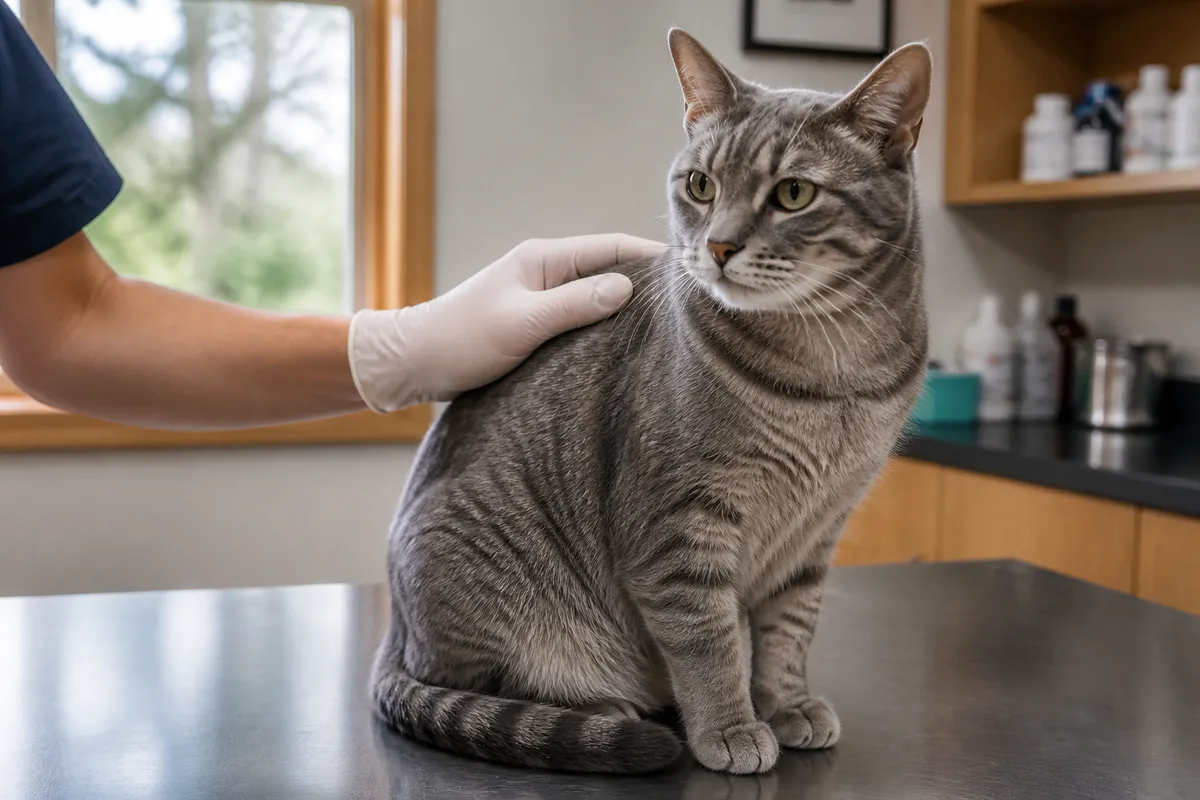
If you adopt, ask for the cat's records: vaccines, spay or neuter, FeLV and FIV testing, and any microchip number.
- Book a vet visit within the first week after adoption
- Keep your cat lean: extra weight shortens lives
- Brush teeth or ask your vet about dental care options
- Schedule checkups at least once a year, more often for seniors
Where to find a domestic shorthair kitten or adult
Shelters and rescue groups are full of them, especially during spring and summer kitten season. Adoption fees vary by organization. The ASPCA Adoption Center in New York City, for example, lists a suggested fee of $150 for all animals, and many shelters run reduced-fee events. The CFA notes that shelters usually require an application and a spay or neuter agreement.
Whatever the source, the CFA's advice is simple: choose a kitten that's well fed, active and has clear eyes, and never take one younger than 8 weeks. A responsible shelter or rescue will tell you honestly about health and temperament.
Kitten or adult? Kittens are adorable and adaptable, but they need lots of supervision and play, and their adult personality is still a guess. Adult and senior cats often wait longest for homes, are usually already litter trained, and come with a known temperament. If you work full time, an adult or a pair of kittens is often easier than one lonely kitten.
Before you bring a cat home, look at the cats for adoption article for how the process works and what to prepare.
Who a DSH cat suits
Honestly, almost everyone who wants a cat. A domestic shorthair is a great choice for first-time owners, apartments, families and seniors, because you can pick the individual personality that fits your life instead of a breed promise.
It's not the right pick only if you need a predictable look or a very specific trait, like a guaranteed lap cat from kittenhood or a particular coat for showing. In that case, a pedigreed breed with a known temperament may suit you better. For everyone else, the staff at your local shelter would love to introduce you to someone.
Frequently asked questions
Is domestic shorthair a breed?
No. Domestic shorthair is a description for a mixed-breed cat with a short coat and unknown ancestry. Pedigreed shorthair breeds like the American or British Shorthair have registered parents and a breed standard.
What is a moggy cat?
Moggy, or moggie, is British slang for a mixed-breed house cat. The CFA uses it as another name for domestic shorthair and domestic longhair cats.
How long do domestic shorthair cats live?
There's no DSH-specific number, but VCA puts the average indoor cat lifespan at about 16 to 18 years, and many cats live past 20. Indoor living, a healthy weight and regular vet care help most.
Are domestic shorthair cats healthier than purebred cats?
Their large, mixed gene pool makes breed-specific inherited diseases less likely. They still get common cat illnesses, so routine vet care and a healthy weight matter just as much.
Do domestic shorthair cats shed?
Yes, all cats with fur shed, and many shorthairs shed more in spring and fall. A weekly brushing keeps loose hair under control and helps prevent hairballs.
Is my shelter cat an American Shorthair?
Probably not, even if it looks like one. Without registered parents it's a domestic shorthair. The American Shorthair was called the Domestic Shorthair until 1966, which is why the names get mixed up.
Sources
- Finding the Purr-fect Pedigreed Kitten, The Cat Fanciers' Association
- American Shorthair, VCA Animal Hospitals
- Your cat's age in human years, VCA Animal Hospitals
- ASPCA Adoption Center NYC, ASPCA
Last reviewed: November 2026