Manx Cat: Tailless Genetics, Manx Syndrome and a Dog-Like Temperament
Cat Breeds 5 min read reviewed November 2026, 5 sources
The Manx cat is a round, sturdy cat from the Isle of Man whose famous missing tail comes from a natural dominant gene. Manx are loyal, playful and often described as dog-like, but the same gene that shortens the tail can affect the spine, so choosing a carefully bred kitten really matters.
Where the Manx cat comes from
The Manx is an ancient breed from the Isle of Man in the Irish Sea. According to the CFA, visiting sailors first recorded the tailless cats in the 16th century, and the trait most likely arose as a mutation in the island's native shorthair cats. Isolation on a small island let the gene spread. (The legend that the Manx lost its tail by arriving late to Noah's Ark is more fun, but less accurate.)
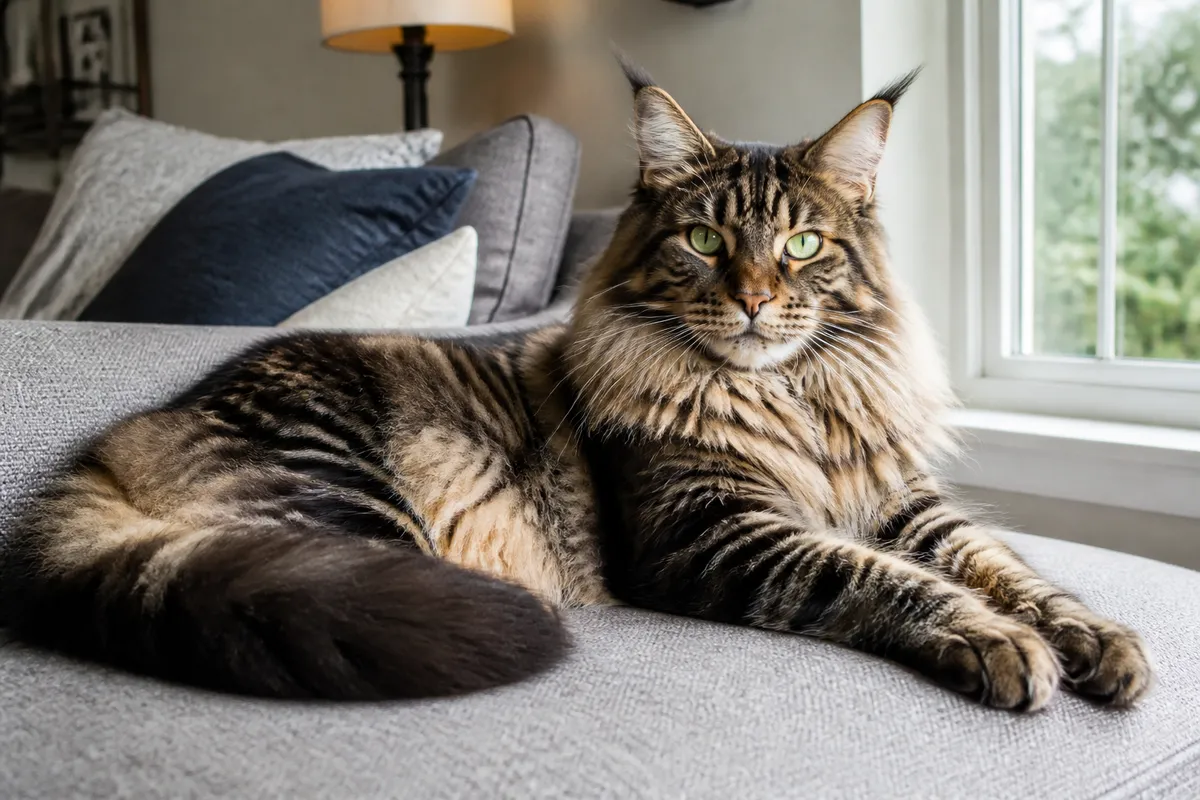
Manx were among the first show cats. The UK's Governing Council of the Cat Fancy (GCCF) records an exhibit at Olympia in 1885 and a first breed standard in 1903, and the CFA has registered Manx since 1906. A longhaired variety also exists; CFA believes the longhair gene arrived during the Viking era. Some registries call the longhair Manx a Cymric.
How the tailless gene works
CFA describes the Manx tail as caused by an incomplete dominant gene: one copy is enough to shorten the tail, and how short it ends up varies a lot. GCCF explains that tail length varies within litters and can't be predicted, so one litter may contain tailless, stumpy and fully tailed kittens.
The gene has a serious flip side. GCCF says inheriting two copies is usually lethal before birth, which is why every living tailless Manx carries only one copy. For this reason, breeders generally avoid mating two tailless Manx and include tailed Manx in their programs to keep the breed healthy.
| Tail type | What it looks like |
|---|---|
| Rumpy | No tail at all |
| Rumpy riser | A small rise at the base of the spine |
| Stumpy | A short, often curved or kinked stub |
| Longy | A tail of near-normal length with a blunt end |
| Tailed (full tail) | A normal-length tail |
Manx syndrome: the health risk to understand
Manx syndrome is the name for problems that occur when the gene shortens the spine too much. GCCF explains that it can damage the spinal cord and nerves, causing a form of spina bifida plus problems with the bowels, bladder and digestion. The Merck Veterinary Manual notes that affected cats may not be able to control urination or defecation, may have weak hind legs, and that the outlook for severely affected cats is poor.
CFA says signs typically appear before kittens are four months old, which is why responsible breeders often keep kittens until then. GCCF also cites a study in which about 30% of Manx had megacolon, a severe recurring constipation, almost all of them rumpies. The good news, according to GCCF, is that these problems have become rare thanks to careful breeding.
Other issues GCCF lists: skin-fold irritation around the rump, corneal dystrophy, and painful arthritis in some partial tails.
- Kitten hops like a bunny instead of walking normally
- Weak or wobbly hind legs
- Dribbling urine, accidents or inability to control the bowels
- Repeated constipation or straining in the litter box
- Any of these signs: see a vet promptly
What a Manx looks like
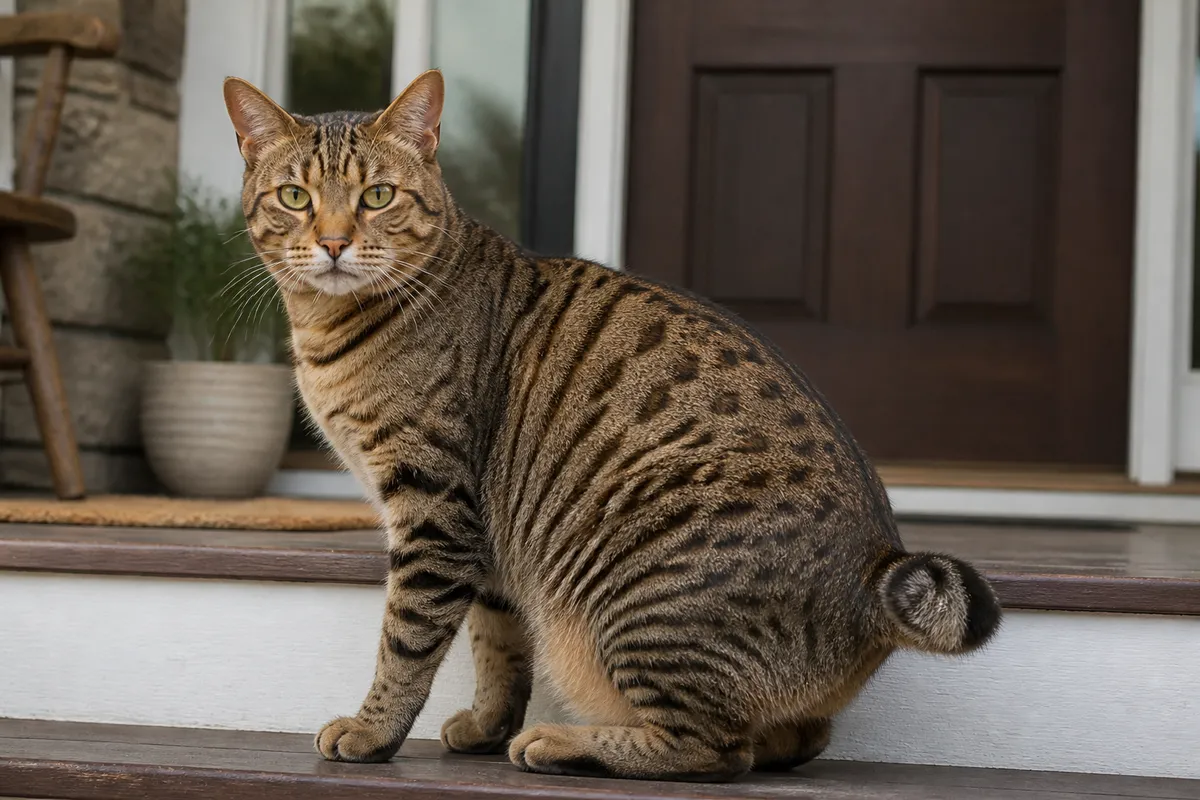
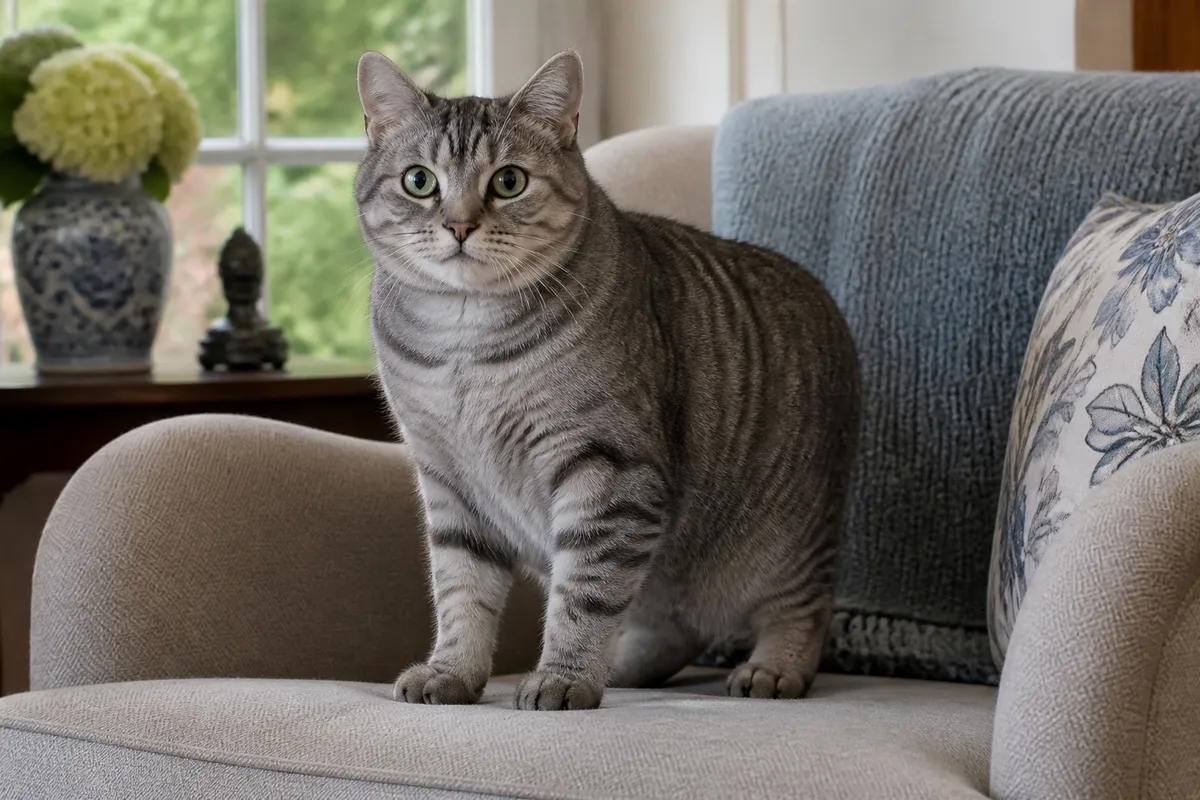
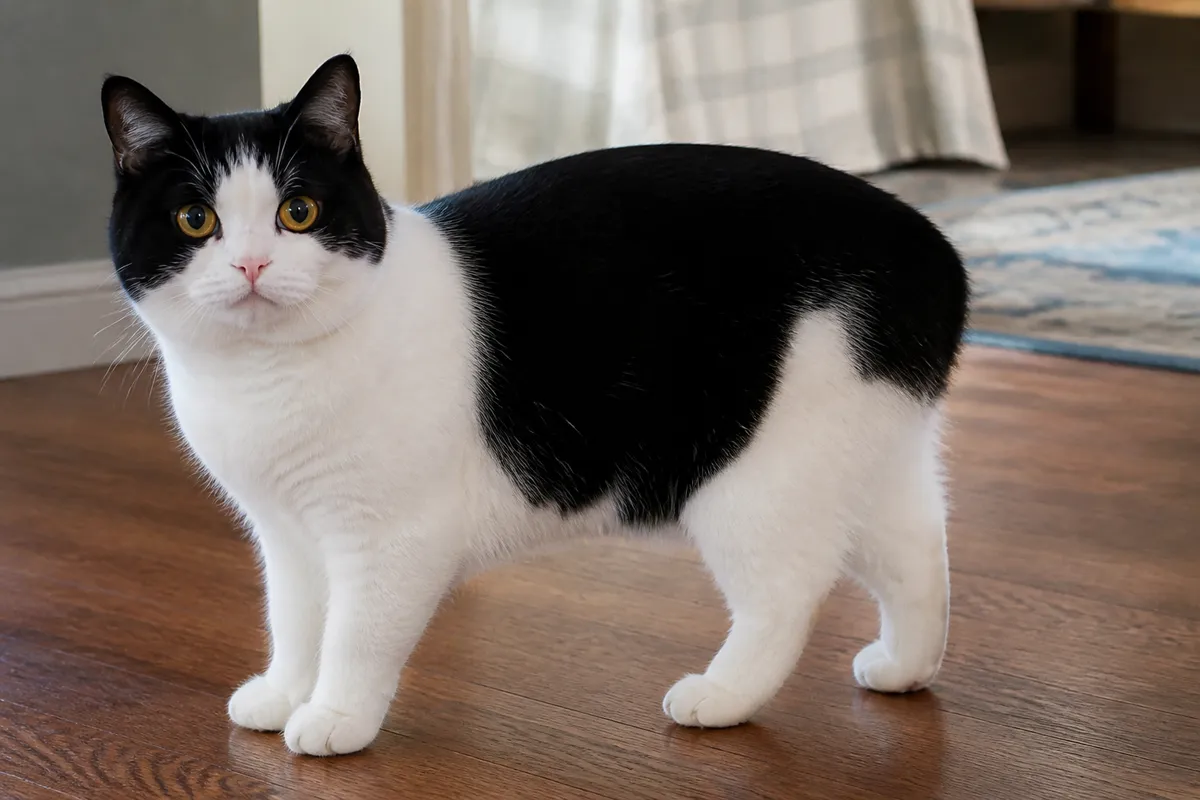
Everything about the Manx is round: round head, rounded cheeks, a short, cobby body with great depth of flank and a rump that sits higher than the shoulders because the hind legs are longer than the front. CFA notes they feel surprisingly heavy when lifted, and males average about 10 to 12 pounds, with females slightly smaller.
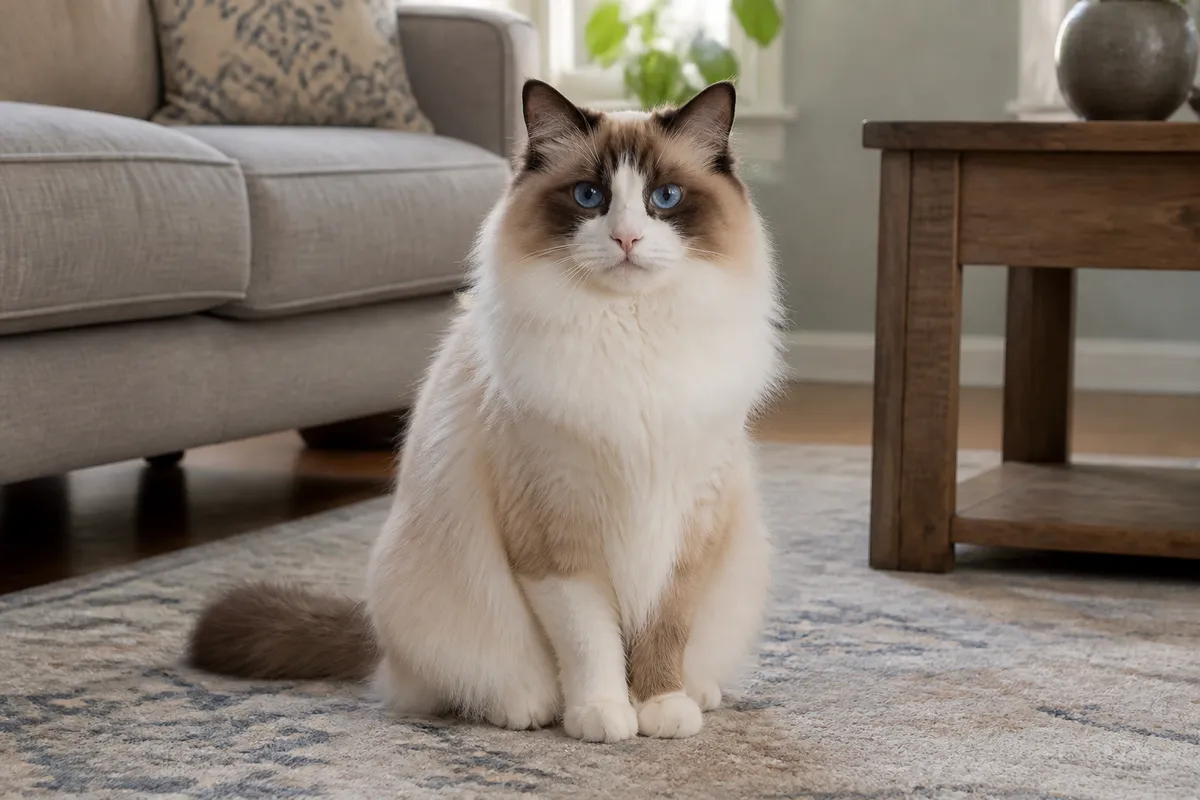
Both coat lengths have a thick, plush double coat. Manx come in most colors and patterns, including tabby, bicolor, solid and color-pointed, according to VCA.
Manx temperament
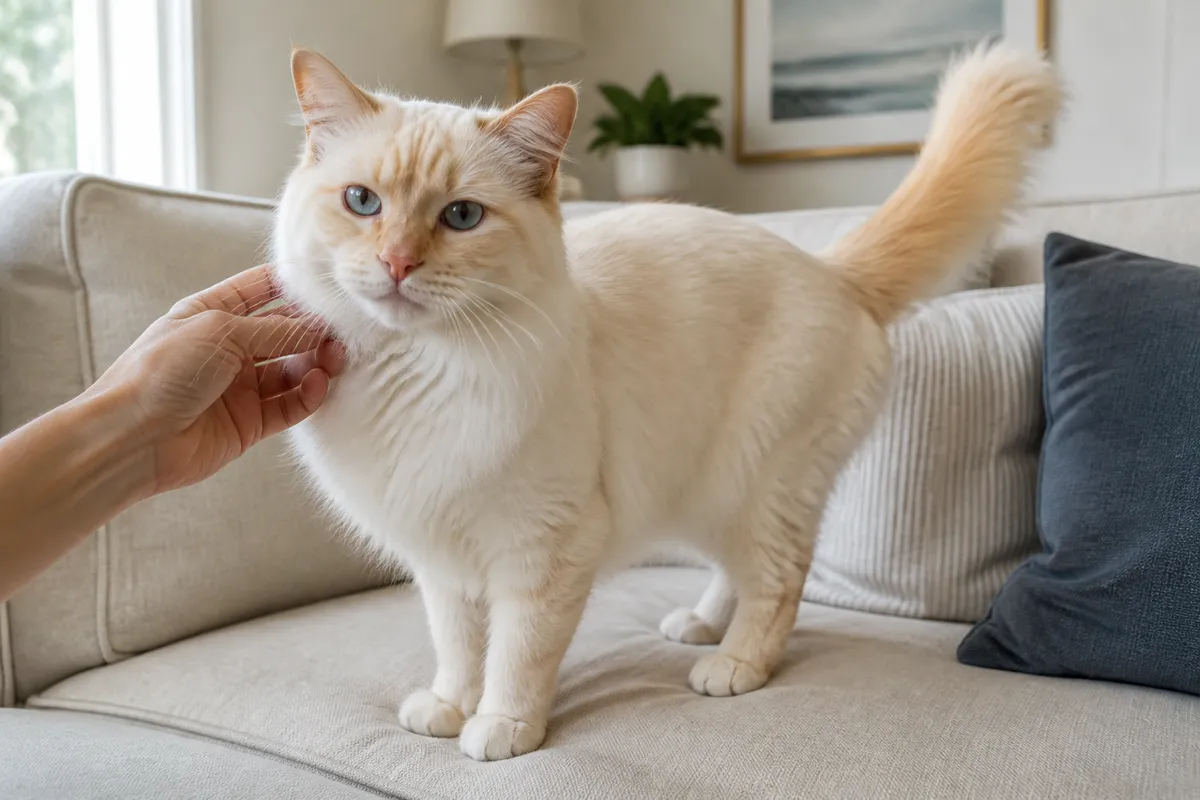
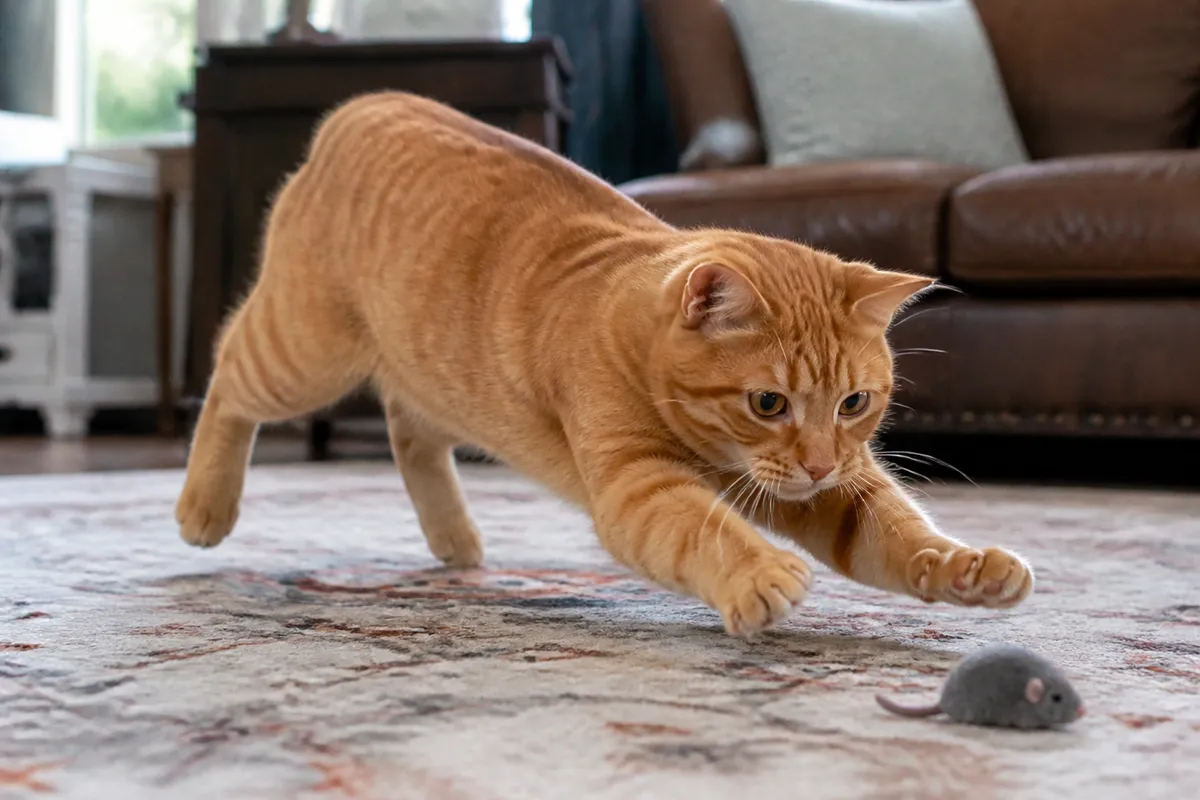
CFA describes Manx as quiet, gentle, affectionate and intelligent. They often bond closely with one or two people and may take time to warm up to newcomers. They love fetch and interactive play, which earned them their dog-like reputation, and they generally get along with dogs, other cats and children.
GCCF adds that Manx are excellent hunters with powerful hind legs that allow great jumps, quick acceleration and sharp turns. Indoors, channel that with wand toys and climbing space; outdoors, a catio protects both the cat and the local birds. VCA notes they love household routines and dislike being moved, so a stable home suits them best.
Care and grooming
Grooming is simple. CFA suggests combing shorthairs two or three times a month and longhairs weekly, with attention to the area under the legs and around the face. The coat doesn't mat easily. GCCF notes Manx shed more during molting season, when extra brushing helps.
Hygiene at the back end matters in a tailless cat. VCA notes that a diet producing firm stools helps keep the hair around the anus clean, and checking the rump area regularly helps you spot skin-fold irritation early. Because Manx mature slowly, GCCF recommends kitten food for at least the first year.
Keep an eye on the litter box. Regular, normal stools and urination are your best daily health check for this breed.
Finding a healthy Manx kitten
Ask the breeder how they pair cats (tailed with tailless is a good sign), how they monitor kittens for Manx syndrome, and at what age kittens go home. Many responsible breeders wait until about four months. Follow CFA's general advice too: visit, meet at least one parent and get the health guarantee in writing.
GCCF lists the Manx as a minority breed, so be patient, and be cautious with tailless kittens offered cheaply, very young or without any health history.
- Ask: how are tailed and tailless cats paired in your program?
- Ask: have any kittens from these lines shown Manx syndrome or megacolon?
- Watch the kitten walk, run and jump: it should move smoothly, without hopping
- Check that it uses the litter box normally
- Get the contract, health guarantee and return policy in writing
Who the Manx suits
A Manx is ideal for families, multi-pet homes and people who want a loyal, playful cat that loves routines. It's also a good fit if you want a cat that plays fetch more than it climbs curtains.
Seniors and quieter households often do well with a Manx too, since the breed is gentle and not overly vocal.
It's not a good fit if you can't watch for health problems in the first months, or if you expect a cat that adores every visitor. And if you move house every year, know that this breed would rather you didn't.
Frequently asked questions
Why don't Manx cats have tails?
A natural dominant gene shortens the spine and tail. One copy is enough to cause taillessness, and the amount of tail varies from none at all to nearly full length.
Are all Manx cats tailless?
No. Manx kittens can be rumpy (no tail), rumpy riser, stumpy, longy or fully tailed, even in the same litter. Tailed Manx are important for healthy breeding.
What is Manx syndrome?
It's a group of problems that occur when the gene shortens the spine too much, including spina bifida, weak hind legs and trouble controlling the bladder and bowels. Signs usually appear before four months of age.
How long do Manx cats live?
VCA gives about 15 to 18 years, while GCCF lists 12 to 14. Cats affected by severe Manx syndrome can have much shorter lives, which is why careful breeding matters.
Are Manx cats good with dogs?
Generally yes. CFA says they usually get along with dogs, other cats and children, and their playful, loyal nature is often described as dog-like.
What is a Cymric cat?
Cymric is the name some registries use for the longhaired Manx. It has the same tail genetics and temperament, with a medium-length, silky double coat.
Sources
- Manx breed profile, The Cat Fanciers' Association
- Manx, Governing Council of the Cat Fancy
- Manx, VCA Animal Hospitals
- Congenital and Inherited Disorders of the Nervous System in Cats, Merck Veterinary Manual
- Inherited disorders in cats, International Cat Care
Last reviewed: November 2026