Exotic Shorthair Cat: The Lazy Man's Persian, Honestly Explained
Cat Breeds 5 min read reviewed November 2026, 5 sources
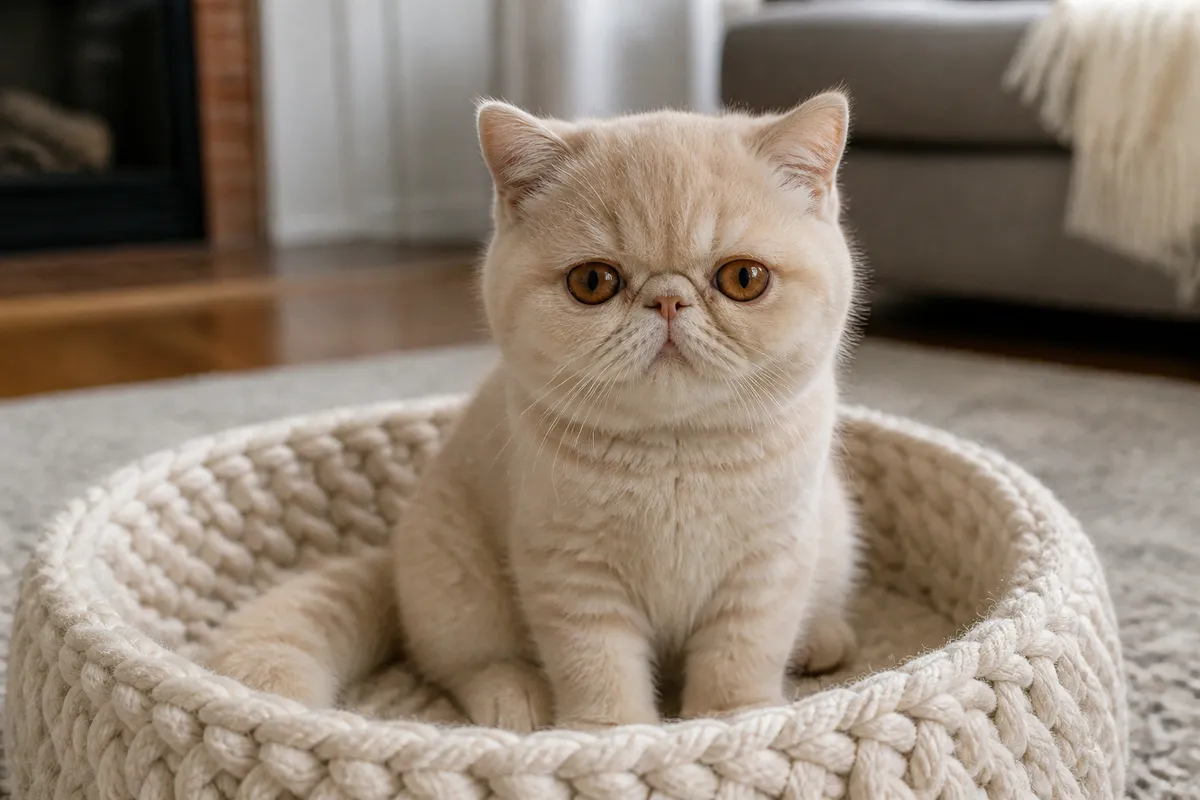
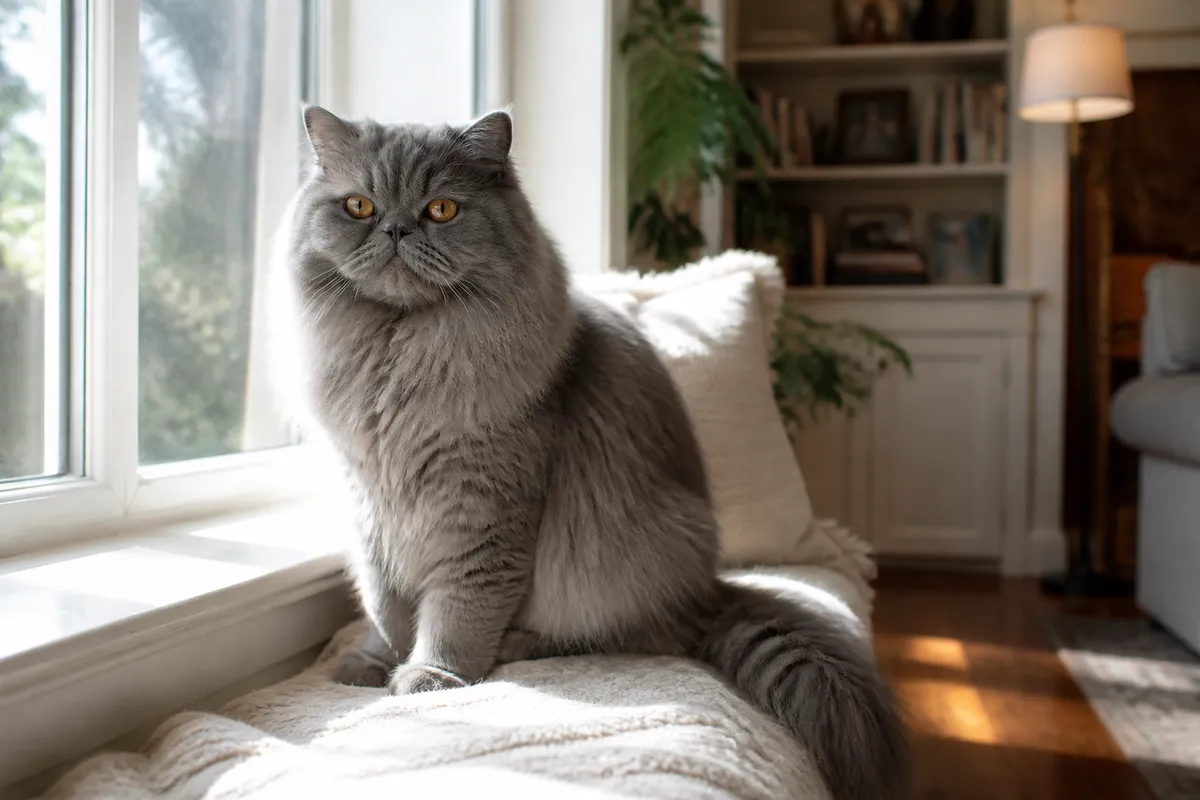
The Exotic Shorthair is a Persian in a short, plush coat: the same round face, big eyes and calm, sweet nature, but with grooming you can manage in a few minutes a week. That's why it's nicknamed the lazy man's Persian. The flat face still brings real health risks, so choose your breeder carefully.
Where the Exotic Shorthair cat comes from
In the 1950s, several Persian breeders on the US West Coast crossed their cats with American Shorthairs, according to the CFA. The hybrids were then bred back to Persians again and again, so today's Exotic is nearly identical to the Persian in body, head and personality, just with a short coat.
The CFA established the Exotic as a breed in 1966 (VCA gives 1967). VCA notes that the first name proposed was Sterling, after the silver color of early cats, before Exotic was adopted. Because it's structurally a Persian, CFA actually classifies the Exotic as a longhair breed, even though its coat is short.
What an Exotic Shorthair looks like
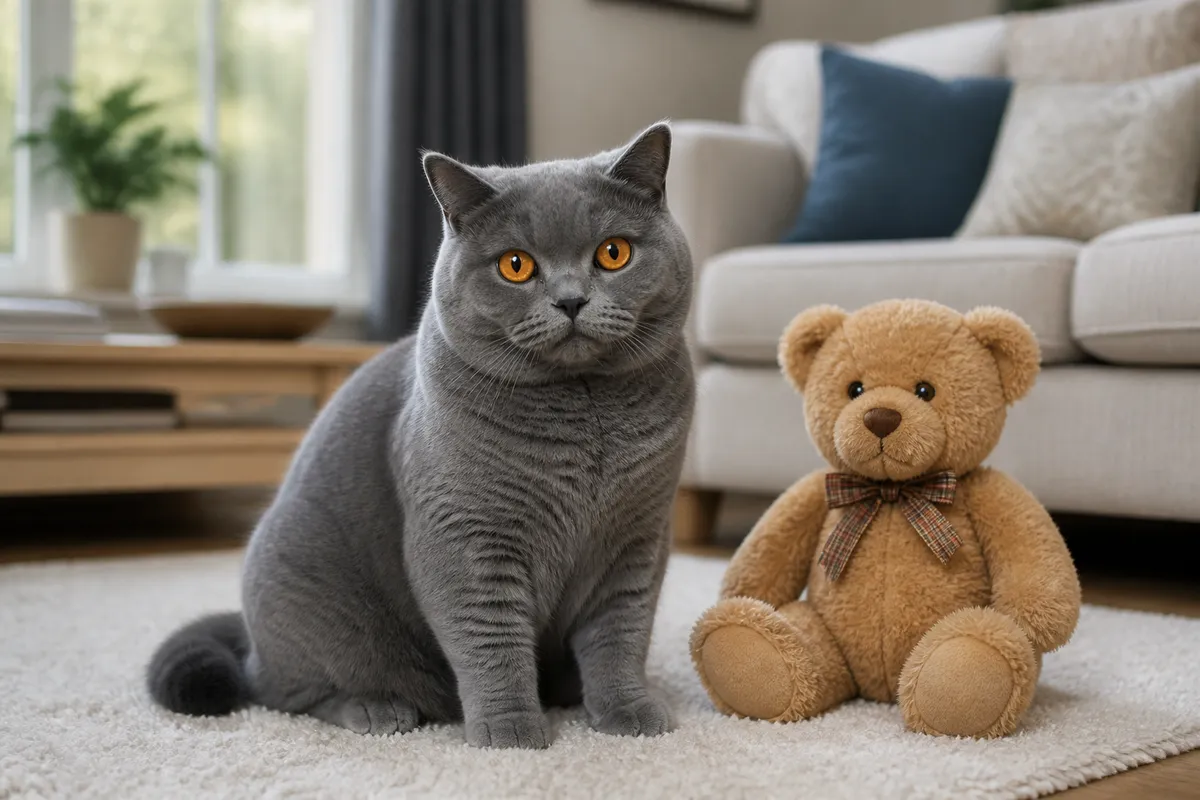
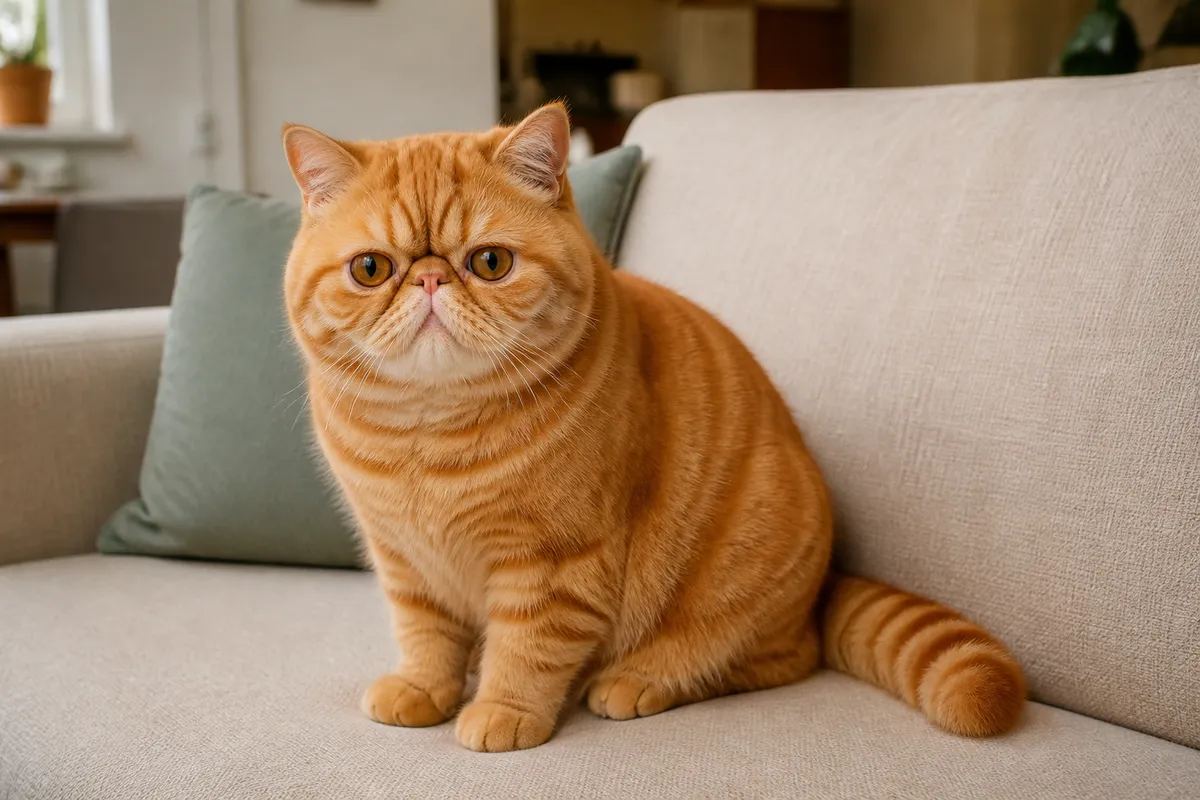
Picture a teddy bear. The head is round and massive with a short, snub nose and a visible break between the eyes, which are large, round and widely spaced. The body is short, cobby and muscular, low on the legs. VCA lists adults at about 9 to 12 pounds.
The coat is the only real difference from a Persian: short but dense and plush, of medium length, standing slightly away from the body. It comes in the full range of Persian colors and patterns, and VCA says bicolor, red tabby and brown tabby are among the most popular.
| Trait | Exotic Shorthair | Persian |
|---|---|---|
| Coat | Short, dense, plush | Long, flowing |
| Grooming | Weekly combing | Daily combing |
| Body and face | Same cobby body and round, flat face | Cobby body and round, flat face |
| Temperament | Sweet, quiet, easygoing | Sweet, quiet, mellow |
| Weight | About 9 to 12 pounds | Medium to large |
| Flat-face health risks | Yes | Yes |
Exotic Shorthair cat personality
CFA describes Exotics as sweet, affectionate, quiet and easygoing, loyal and devoted without being intrusive. They adapt well to new homes at any age and suit families with young children. They may be shy with other animals at first but usually get along with dogs and cats.
They communicate more with their eyes than with meows, though VCA mentions an occasional squeaky meow, and purring is common. VCA also notes they politely seek attention, like nesting in laps, and that males tend to be more interactive than females.
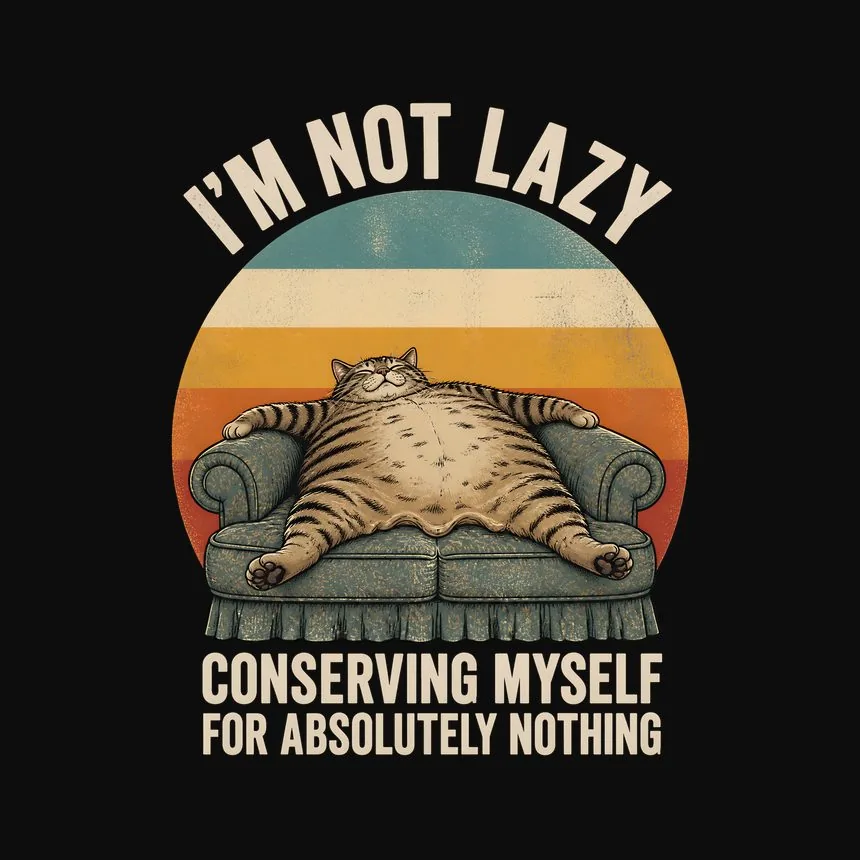
VCA calls them well suited to quiet homes and apartments. Give them a few gentle play sessions a day so they stay fit; left alone, an Exotic will happily become a cushion.
Grooming: easier than a Persian, not zero
The lazy man's Persian label is partly true. CFA says weekly combing with a steel or Teflon-coated comb is usually enough, and VCA agrees that weekly brushing keeps the coat tangle-free. Mats are uncommon but can form if you neglect the coat.
But Exotics shed more than you might expect. CFA calls them heavier shedders, mostly seasonal, and suggests a bath during shedding season to remove loose undercoat. They tend to be patient with grooming and bathing, which helps.
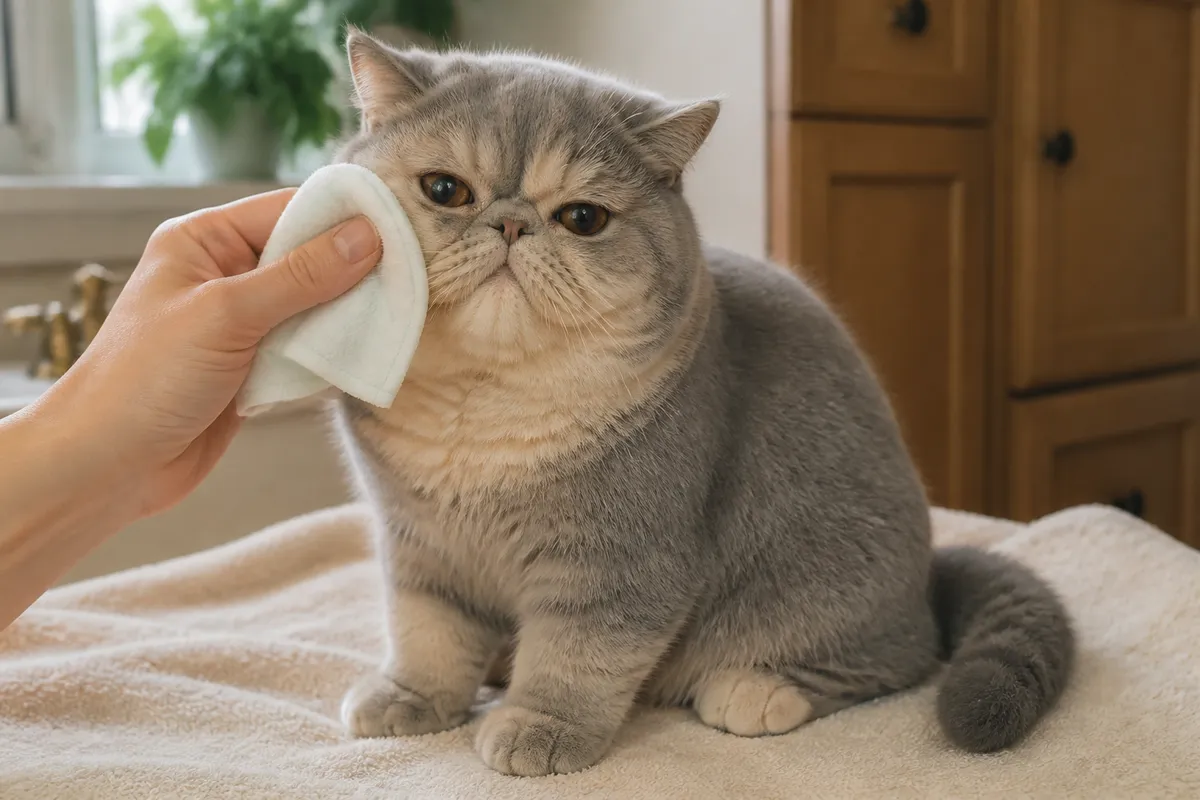
Faces need daily attention. VCA notes that the flat face makes them prone to overflowing tears that stain the fur under the eyes, so wipe gently with a soft, damp cloth every day and keep facial folds clean and dry.
- Comb once a week, more in shedding season
- Wipe the eyes and face daily
- Trim nails every few weeks
- Check the teeth: flat faces often mean crowded jaws
Flat-face health: what you need to know
The Exotic's look comes with the same risks as the Persian's. International Cat Care explains that flat-faced (brachycephalic) cats commonly suffer from brachycephalic obstructive airway syndrome, where narrow nostrils, narrow nasal passages or a long soft palate make breathing harder. Their prominent eyes may not close fully, which contributes to corneal problems, and malformed tear ducts cause constant tearing and sore, damp skin.
Teeth and skin suffer too. International Cat Care lists dental malocclusion, where the teeth don't align properly, and skin fold infections on the face. The more extreme the face, the more serious these problems tend to be.
What you can do: choose a kitten with a moderate face and visibly open nostrils, watch for noisy breathing, snoring at rest or breathing with an open mouth, and keep your cat lean, since extra weight makes breathing harder. See a vet promptly for red, squinting or cloudy eyes.
PKD and other inherited problems
Polycystic kidney disease (PKD) is an inherited condition where fluid-filled cysts slowly replace healthy kidney tissue. VCA says studies have found it in around one-third of Persian cats and names the Exotic Shorthair among the Persian-derived breeds commonly affected. It's dominant, so one affected parent can pass it on, and signs often don't show until around seven years of age.
There's good news: DNA tests and ultrasound screening exist. CFA stresses that genetic screening of breeding cats is of paramount importance and says most breeders do it. International Cat Care recommends always asking the breeder for proof that the parents tested negative for PKD.
- Ask for PKD results on both parents, in writing
- Ask how the breeder selects for open nostrils and healthy eyes
- Get a written health guarantee and return policy
- Plan yearly checkups, including kidney screening as your cat ages
Finding a healthy Exotic Shorthair kitten
Start with breeders who are open about health. The CFA buying guide suggests visiting the breeder at home, seeing at least one parent and asking how long the health guarantee lasts and what it covers. Reputable breeders do not sell through pet stores, and they will ask you plenty of questions in return.
Look at the kitten closely before you commit. Clear, bright eyes without heavy tearing, quiet breathing through open nostrils and a kitten that eats and plays normally are all good signs. Never take a kitten younger than 8 weeks; CFA notes kittens offered at shows are at least 4 months old.
- Ask to see PKD results and any other health screening
- Ask how many cats live in the cattery and how kittens are socialized
- Make sure the contract covers what happens if a health problem shows up early
Who the Exotic Shorthair suits
Ideal for calm homes, apartments, families with gentle kids and anyone who loves the Persian personality but can't commit to daily long-coat grooming. VCA gives a lifespan of about 12 to 15 years.
Not a good choice if you want an athletic climber, if you're not prepared for vet bills related to eyes, teeth or breathing, or if you'd buy from a seller who can't show health testing. Rescue groups for Persians and Exotics are worth checking, too: adults with a known health history often need homes.
Frequently asked questions
Is an Exotic Shorthair a Persian?
It's a separate breed, but it was created by crossing Persians with American Shorthairs and then breeding back to Persians. It's essentially a Persian with a short, plush coat.
Why is the Exotic Shorthair called the lazy man's Persian?
Because you get the Persian look and personality without daily long-coat grooming. Weekly combing is usually enough, though you still need to wipe the face daily.
Do Exotic Shorthairs shed?
Yes, more than many people expect. CFA calls them heavier shedders, mostly seasonal, and a bath in shedding season can help remove loose undercoat.
Do Exotic Shorthair cats have breathing problems?
They can. Like Persians, they're prone to brachycephalic airway problems from narrow nostrils and airways. Choosing a kitten with a moderate face and open nostrils lowers the risk.
How long do Exotic Shorthair cats live?
VCA gives about 12 to 15 years. PKD testing of the parents, good weight control and regular checkups help your cat live as long and comfortably as possible.
Are Exotic Shorthairs good apartment cats?
Yes. VCA describes them as mellow and well suited to quiet homes and apartments. A few gentle play sessions a day keep them fit.
Sources
- Exotic breed profile, The Cat Fanciers' Association
- Exotic Shorthair, VCA Animal Hospitals
- Persian cats and brachycephaly, International Cat Care
- Polycystic Kidney Disease in Cats, VCA Animal Hospitals
- Finding the Purr-fect Pedigreed Kitten, The Cat Fanciers' Association
Last reviewed: November 2026