Hypoallergenic Cats: The Truth About Fel d 1 and Allergy-Friendly Breeds
Cat Breeds 5 min read reviewed November 2026, 6 sources
Truly hypoallergenic cats don't exist: allergy experts agree that every cat, of every breed, produces the main cat allergen Fel d 1. Some individual cats trigger milder reactions than others, though, so with the right testing and a few habits at home, many people with mild cat allergies do live happily with a cat.
Why no cat is truly hypoallergenic
The American Academy of Allergy, Asthma and Immunology (AAAAI) puts it plainly: all cats produce Fel d 1, production may vary somewhat by breed, there's wide variation between individual cats regardless of breed, and there are no truly hypoallergenic or allergen-free cat breeds. The American College of Allergy, Asthma and Immunology (ACAAI) adds that studies haven't shown any cat to be hypoallergenic.
So the honest version of the label is lower-allergen for some people, sometimes. That's still useful, but it's a long way from a guarantee.
What actually causes cat allergies: Fel d 1 and friends
It's not the hair itself. International Cat Care explains that Fel d 1 comes from the sebaceous (skin oil) glands and coats the hair, while another allergen, Fel d 4, is released in saliva and also shed in urine and feces. When a cat grooms, it spreads these proteins over its coat, and they flake off with dander.
Cat dander is tiny. ACAAI notes it can stay airborne for at least 30 minutes after it's stirred up, and it sticks to furniture, clothes and walls. That's why you can react in a home where the cat is hiding under the bed.
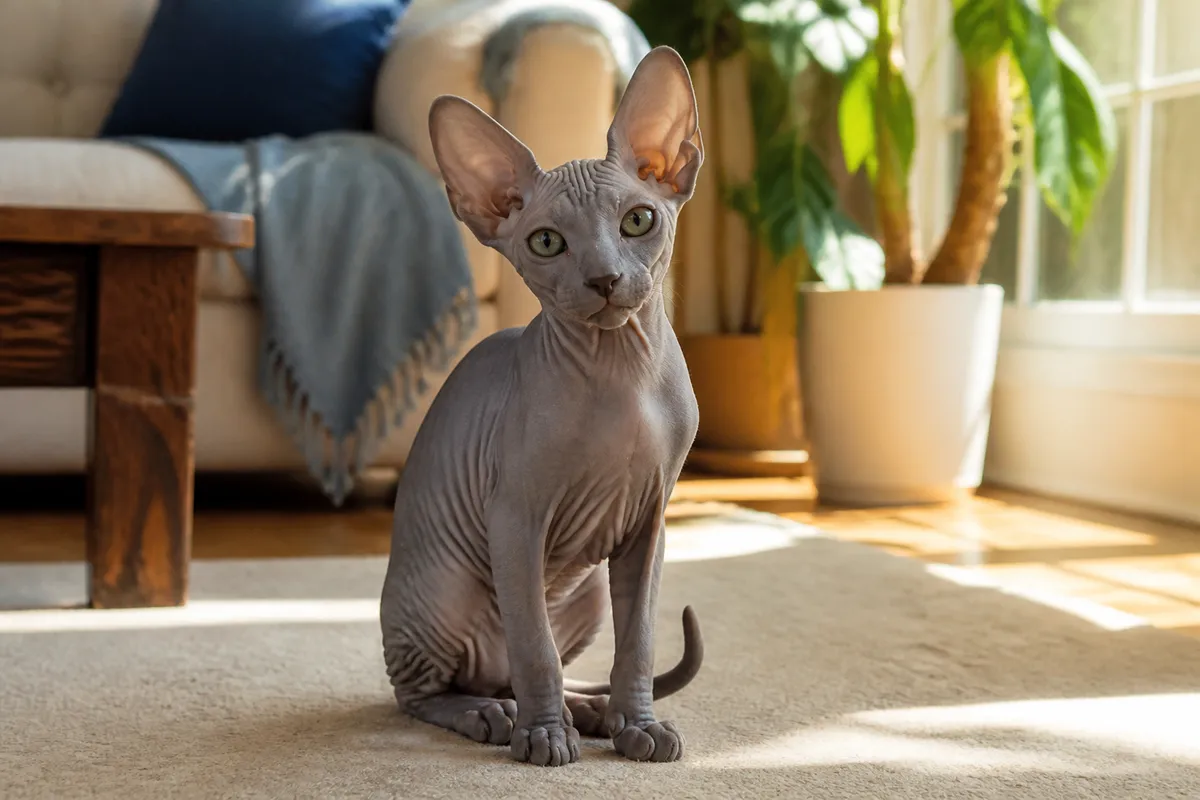
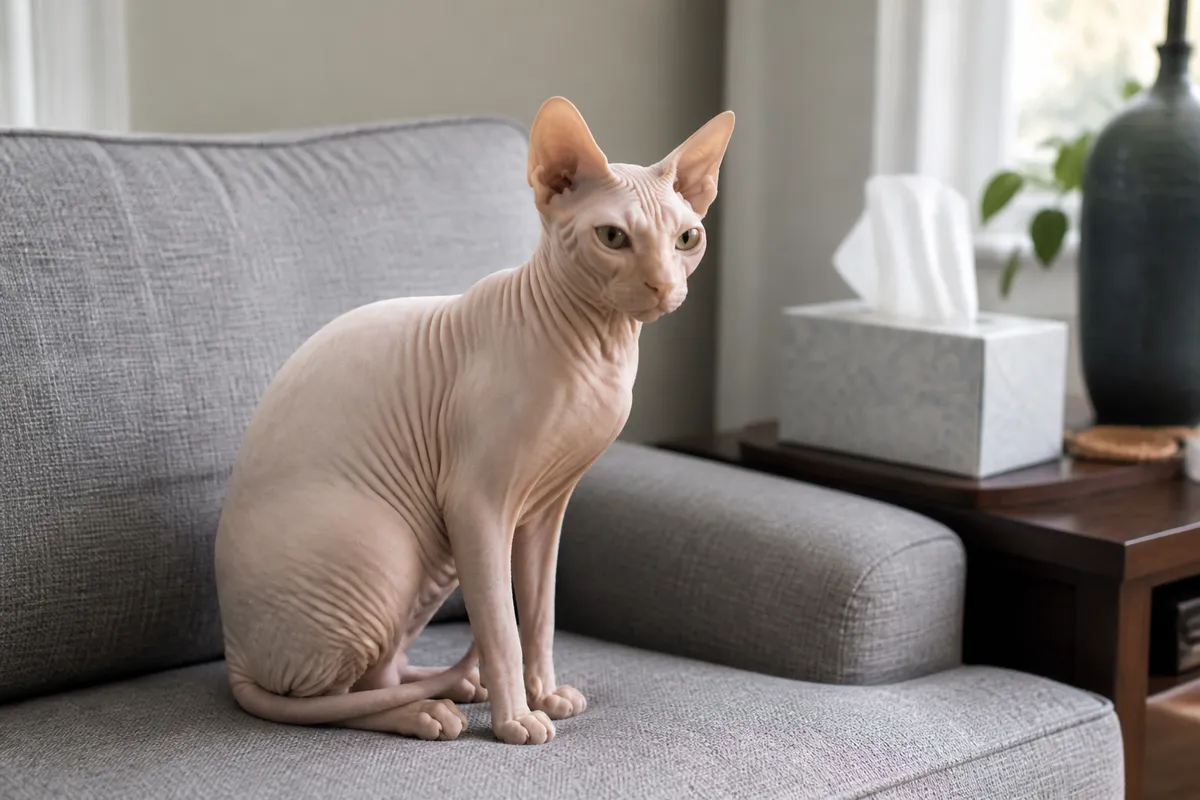
This also explains why hair length and shedding don't decide much. ACAAI says fur length, sex and time spent indoors aren't associated with cat allergen levels, while homes with more than one cat do have higher levels. International Cat Care notes that hairless Sphynx cats can still cause reactions.
Breeds marketed as hypoallergenic, and what's really known
Several breeds are regularly advertised as allergy friendly. The reasons usually involve low shedding or breeder claims about lower Fel d 1, not independent proof. Here's a realistic look at the most common ones.
Notice the pattern: the claims are about coats and breeder reports, while the allergy societies keep pointing back to the individual cat. A low-shedding coat may mean less hair on your sofa, but the allergen is in the dander and saliva, which every one of these cats produces.
| Breed | Why it's marketed that way | What reputable sources say |
|---|---|---|
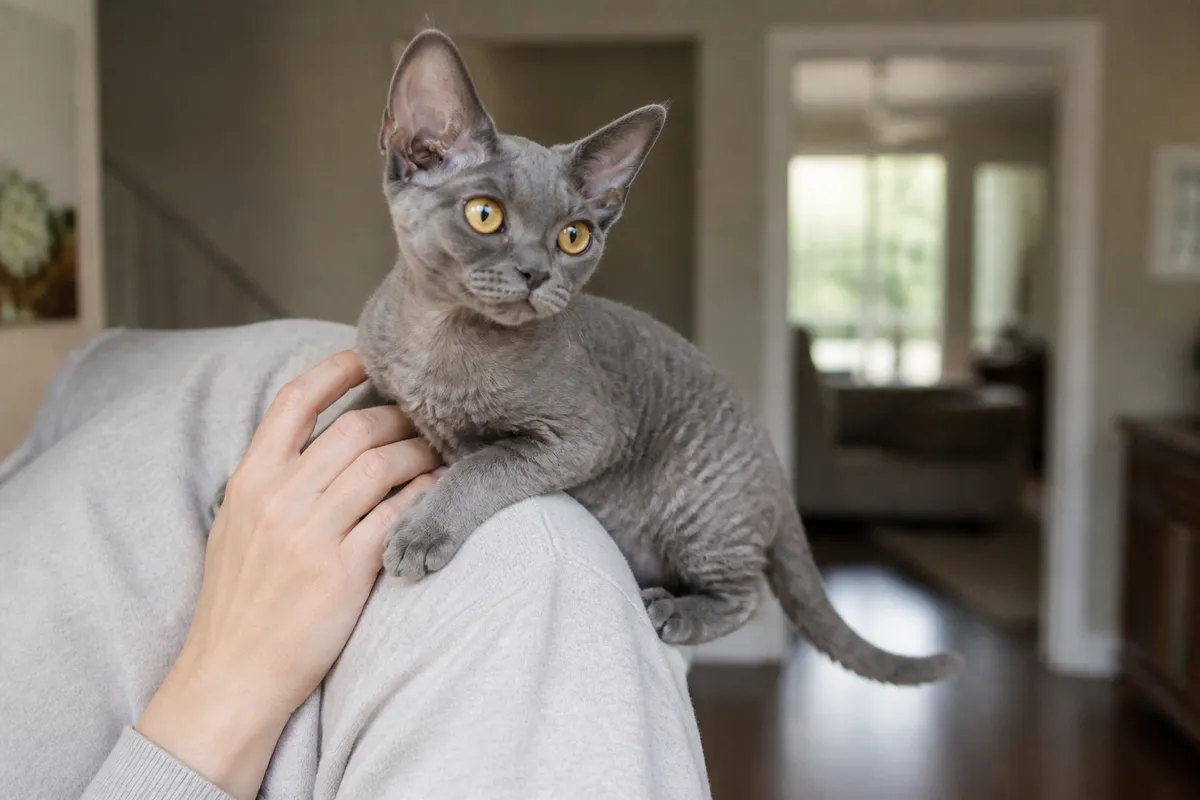
| Devon Rex | Short, sparse, wavy coat; sheds less | CFA: may be well tolerated by some, but not hypoallergenic |
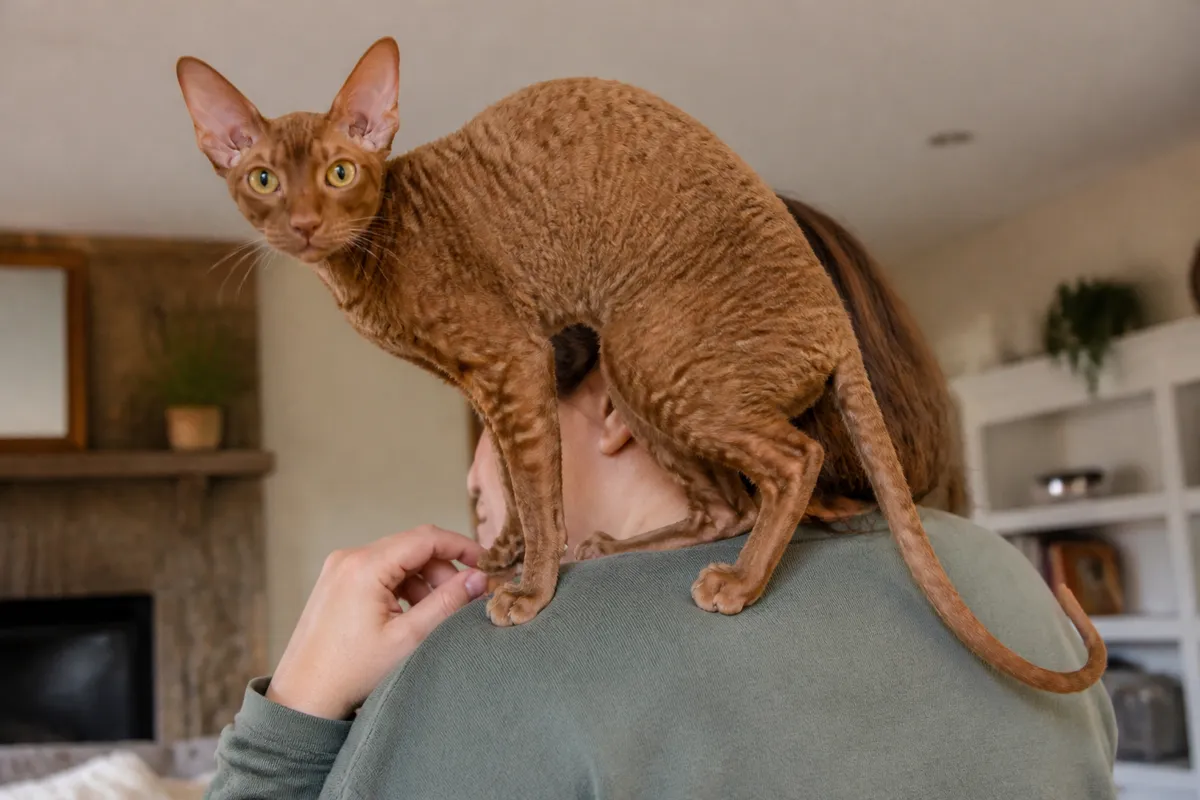
| Cornish Rex | No guard hairs, minimal shedding | VCA calls hypoallergenic a popular myth for this breed |
| Sphynx | Hairless | International Cat Care: can still cause allergic reactions |
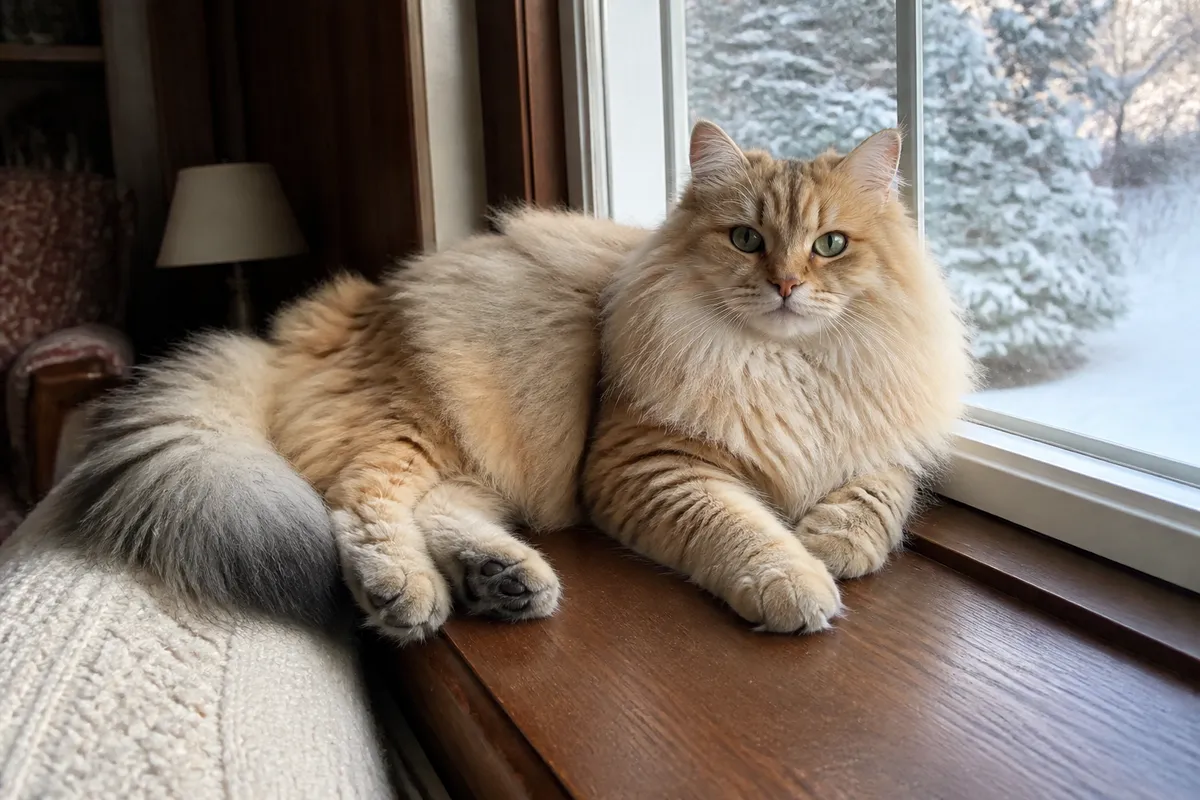
| Siberian | Breeders often claim lower Fel d 1 | No breed is allergen-free; individuals vary widely (AAAAI) |
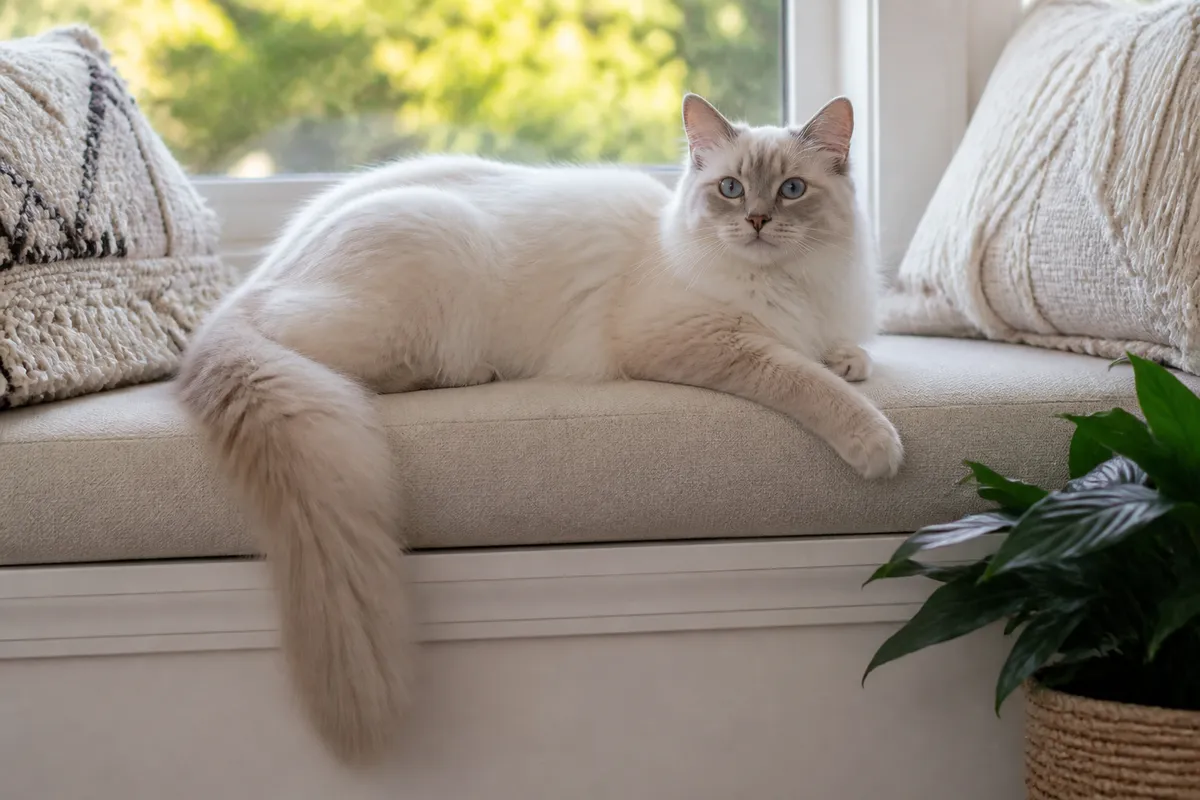
| Balinese and other Siamese types | Single coat, claimed lower allergen levels | Same rule: test the individual cat, not the breed |
What may make one cat easier on allergies than another
Since breed is a weak predictor, it helps to think about the factors you can actually influence. The biggest one is numbers: ACAAI notes that homes with more than one cat have higher allergen levels, so if you are allergic, one cat is a safer start than a bonded pair.
The second is the individual. AAAAI stresses the wide variation between cats regardless of breed, so your reaction to one Siberian or one Devon Rex says little about the next one. Meet several cats, and if one leaves you sneezing, another may not.
Coat length is a gray zone. International Cat Care says many people seem to react more to long-haired cats, while ACAAI says fur length is not associated with allergen levels. In practice, judge by your own symptoms around the specific cat, not by the length of its hair.
Finally, think about where you test. A crowded cat show or a cattery with many cats exposes you to far more allergen than a home with one cat, so a single visit can be misleading in both directions.
- One cat rather than two if you are allergic
- An adult whose reaction you have tested, rather than an unknown kitten
- Several visits to the same cat rather than one long show day
- A written plan B with the breeder or shelter
How to test your reaction before you get a cat
Because individual cats differ more than breeds, the best test is time with the specific cat, or at least with cats from the same household. The AAAAI says the only accurate way to know how you'll react to a particular cat at home is a challenge test, and suggests fostering a cat as a reasonable starting point.
Start with an allergist. ACAAI notes that a skin-prick test is the most common way to diagnose a cat allergy, with results in about 15 to 20 minutes. It's worth doing even if you're sure it's the cat, because dust and pollen carried in a cat's coat can cause symptoms too.
If you have asthma, talk to your doctor before any exposure test, and don't push through breathing symptoms.
- See an allergist and confirm what you're allergic to
- Visit the specific cat (or the breeder's home) several times, for an hour or more
- Touch and hold the cat, then wait a day: reactions can be delayed
- Consider fostering an adult cat for a few weeks
- Ask about the breeder's or shelter's return policy if allergies become a problem
Hypoallergenic cats for sale: red flags and smart questions
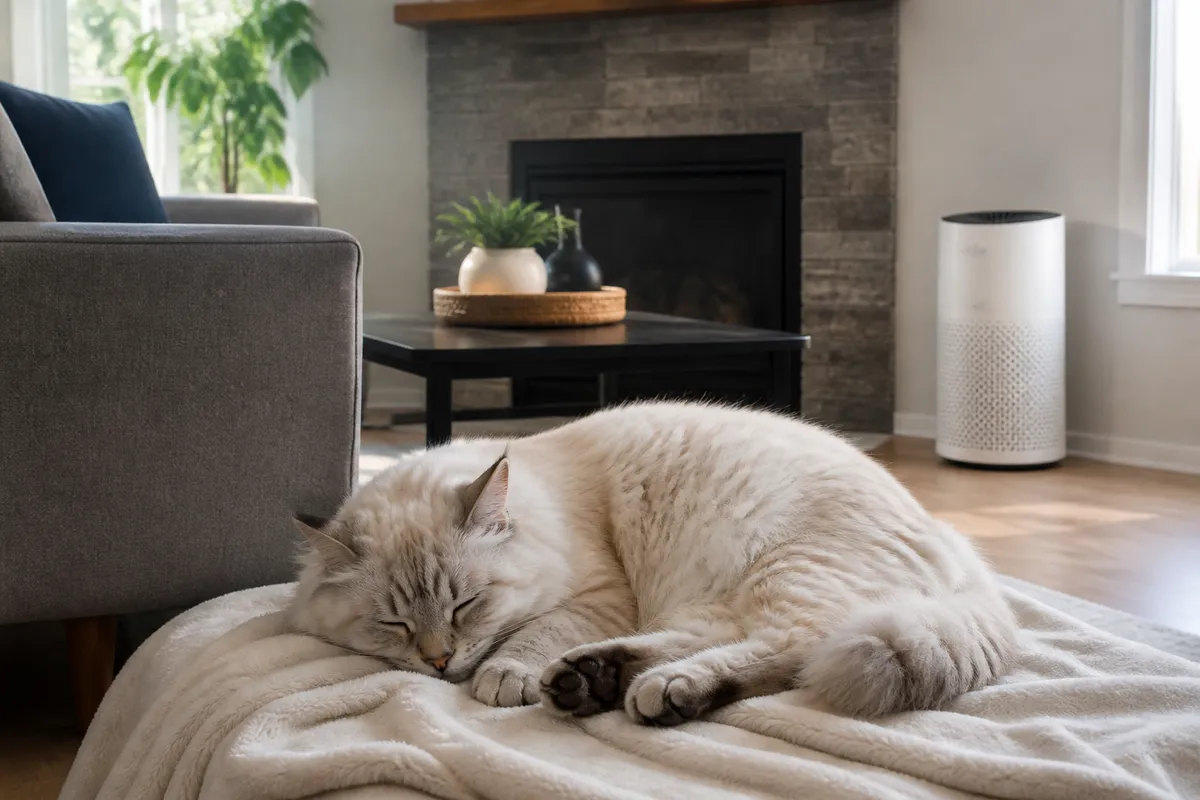
When a seller promises a hypoallergenic kitten, be careful. No reputable source supports that guarantee. A seller who claims a cat is allergy-proof is telling you something about their marketing, not about your immune system.
Good breeders will be honest that results vary, encourage visits before you commit, and have a written return policy so a cat isn't abandoned if things don't work out. The CFA's buying guide recommends visiting the breeder's home, meeting at least one parent and asking about the health guarantee and return policy.
Don't forget shelters. An adult shelter cat comes with a known temperament, and many shelters allow foster-to-adopt, which is the closest thing to a real-world allergy test.
- Be wary of guarantees, unusually high prices justified only by the label, or pressure to pay a deposit fast
- Ask: can I visit more than once before deciding?
- Ask: what happens if I react badly after the kitten comes home?
Who should consider a lower-allergen cat
If your allergy is mild, your allergist agrees, and you've spent time with the specific cat without a strong reaction, a cat can absolutely work, regardless of the breed label.
Once a cat moves in, everyday habits matter: allergy experts recommend keeping the cat out of your bedroom, washing your hands after handling it and using HEPA filtration. The cat allergies article covers symptoms, treatment and day-to-day management in detail.
If you have significant asthma, or you react within minutes of entering a cat home, a hypoallergenic breed won't fix that. It's kinder to you and to the cat to work with your doctor first than to adopt and rehome later.
Frequently asked questions
Is there any cat breed that is 100% hypoallergenic?
No. Allergy specialists agree that all cats produce Fel d 1 and that there are no allergen-free breeds. Some individual cats trigger milder reactions than others.
Are hairless cats hypoallergenic?
No. The main allergens come from skin glands and saliva, not from hair, so hairless cats like the Sphynx can still cause allergic reactions.
Do female cats cause fewer allergies than males?
You'll often hear that, but the ACAAI says sex isn't associated with cat allergen levels. Testing your reaction to the individual cat is more reliable than choosing by sex.
Can you build up a tolerance to cats?
Allergy shots (immunotherapy) can build tolerance over time, according to the ACAAI. Simply living with a cat and hoping it gets better is not a reliable plan, so talk to an allergist.
What is the best cat for someone with allergies?
The cat you've tested yourself with. Spend time with the specific cat, ideally foster it, and confirm with an allergist. Breed labels are much less reliable than your own reaction.
Are hypoallergenic cats for sale worth the extra money?
Only if you've tested your reaction to that cat. No breed or breeder can guarantee you won't react, so be cautious of any seller who promises it.
Sources
- Management of cat and dog allergy, American Academy of Allergy, Asthma and Immunology
- Pet Allergies, American College of Allergy, Asthma and Immunology
- Allergies to cats, International Cat Care
- Devon Rex breed profile, The Cat Fanciers' Association
- Cornish Rex, VCA Animal Hospitals
- Finding the Purr-fect Pedigreed Kitten, The Cat Fanciers' Association
Last reviewed: November 2026