Cat Allergies: Causes, Symptoms and How to Live With a Cat Anyway
Health 7 min read reviewed November 2026, 4 sources
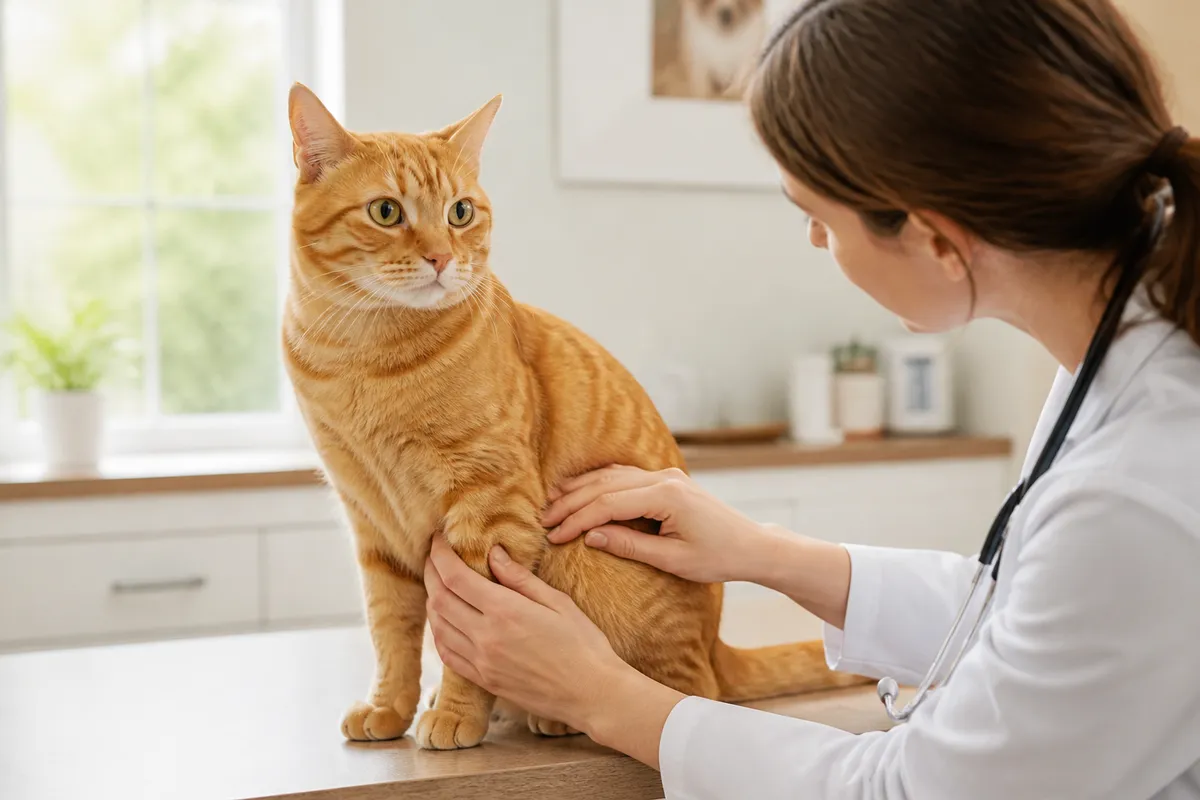
Cat allergies are caused not by fur but by proteins in a cat's saliva, skin and dander, mainly one called Fel d 1, which sticks to everything in your home. Many people with mild to moderate cat allergies manage well with a combination of a pet-free bedroom, HEPA filtration, regular cleaning and treatment from a doctor or allergist. This guide covers the symptoms, the home steps that really reduce allergen levels, what allergen-reducing cat food can and cannot do, and when to get medical help.
What causes cat allergies?
If you are allergic to cats, your immune system overreacts to harmless cat proteins. The American Academy of Allergy, Asthma and Immunology (AAAAI) explains that these proteins are found in dander (tiny skin flakes), saliva and urine. The best-known one is Fel d 1, which cats spread over their coat every time they groom.
The hair itself is not the problem, but it carries the allergen around. Once dander is airborne, it is so small and light that the American College of Allergy, Asthma and Immunology (ACAAI) says it can stay in the air for at least 30 minutes after being stirred up. It also clings to clothing, walls, carpets and furniture, which is why people react even in homes, classrooms and offices without a cat.
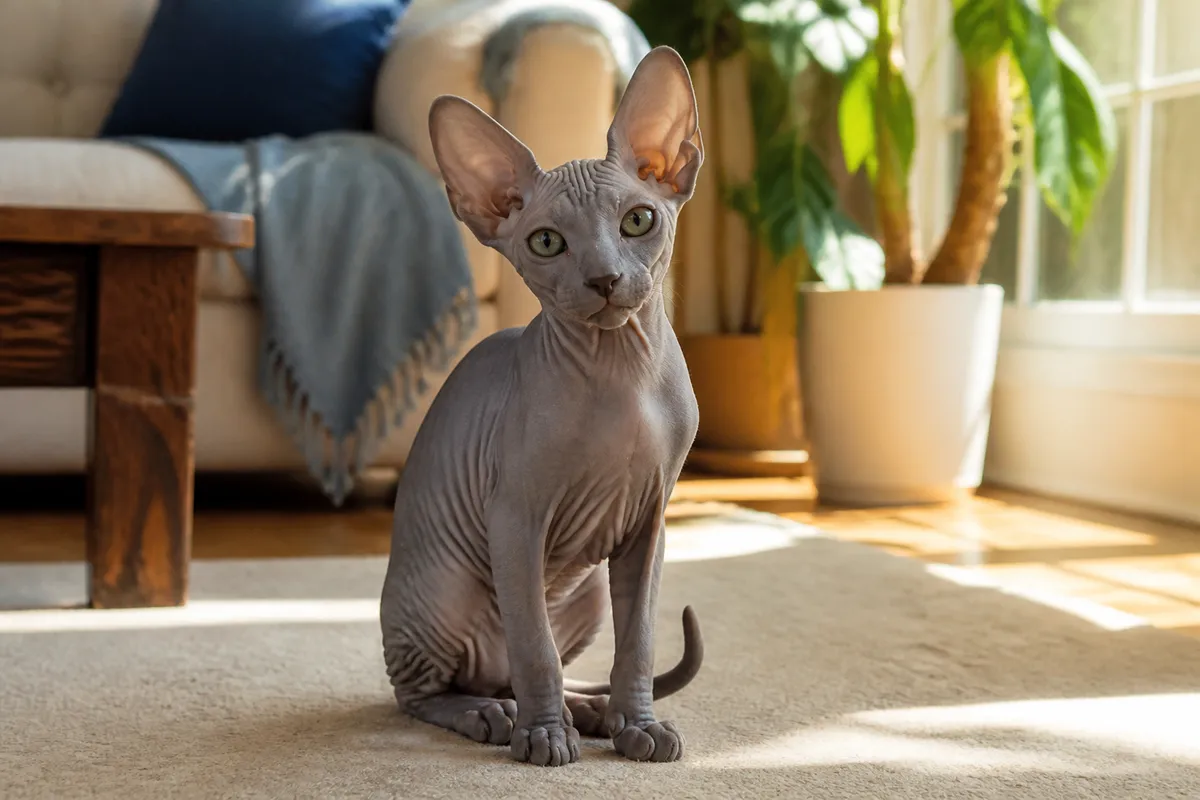
According to ACAAI, all cats produce allergens, homes with several cats have higher levels, and hair length does not change how much allergen a cat produces. That is why the idea of a truly allergy-free breed does not hold up; our hypoallergenic cats guide looks at which breeds some people tolerate better.
Symptoms of cat allergies
Symptoms range from a mildly runny nose to asthma attacks. Highly sensitive people may react within minutes of touching a cat or entering a home with one, while others notice symptoms only after hours or days of exposure. Long-term exposure can also cause constant congestion that people mistake for a never-ending cold.
Cat allergies and asthma are closely linked. AAFA notes that inhaling allergens can trigger allergic asthma, and an episode can begin within 15 to 30 minutes. If you or your child has asthma, make sure your doctor knows there is a cat at home, keep rescue medicine where you can reach it, and treat new coughing or wheezing around cats as a reason for a prompt appointment rather than something to tough out.
- Sneezing, runny or stuffy nose, postnasal drip
- Itchy, red or watery eyes, sometimes swollen eyelids
- Itchy nose, mouth or throat
- Coughing, chest tightness, wheezing or shortness of breath
- Hives or a red rash where a cat licked or scratched you
- Facial pressure from congested sinuses
| Symptom | Likely meaning | What to do |
|---|---|---|
| Sneezing, itchy eyes, stuffy nose around cats | Typical allergic rhinitis | Reduce exposure at home and talk to your doctor about treatment |
| Symptoms that last all year in a home with a cat | Ongoing exposure to settled allergen | See an allergist to confirm the trigger |
| Hives where the cat licked or scratched | Skin reaction to saliva | Wash the area with soap and water; ask your doctor if it recurs |
| Wheezing, chest tightness, coughing | Allergic asthma can be involved | See a doctor soon; use any prescribed asthma plan |
| Severe shortness of breath, lip or throat swelling | Medical emergency | Call 911 or go to the emergency room |
How cat allergies are diagnosed
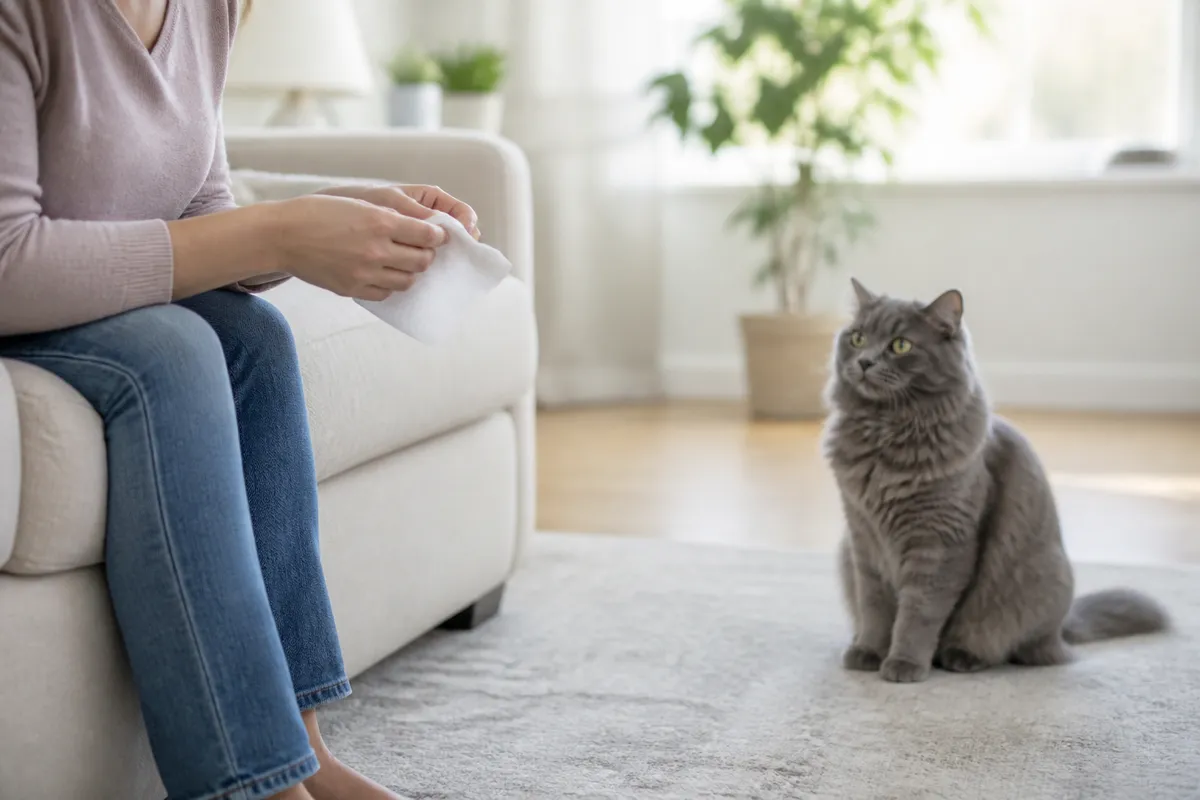
It is worth confirming that the cat is really the culprit before you change your life around it. Dust mites, pollen and mold trapped in a cat's coat can cause the same symptoms. ACAAI recommends testing even when a cat seems like the obvious cause.
The most common test is a skin-prick test: an allergist places a tiny amount of allergen extract on the skin and pricks the surface, and results show within about 15 to 20 minutes. Blood tests are another option, as AAFA notes, and your allergist will choose the right test based on your history and the medicines you take.
The Asthma and Allergy Foundation of America (AAFA) recommends a board-certified allergist for moderate to severe allergies. Allergies can also develop or change at any age, so new symptoms in a longtime cat owner are worth checking.
Reducing cat dander at home: what actually works
You cannot remove cat allergen completely while a cat lives with you, but you can lower the amount you breathe in. Allergy organizations agree on a few measures that work best together rather than alone.
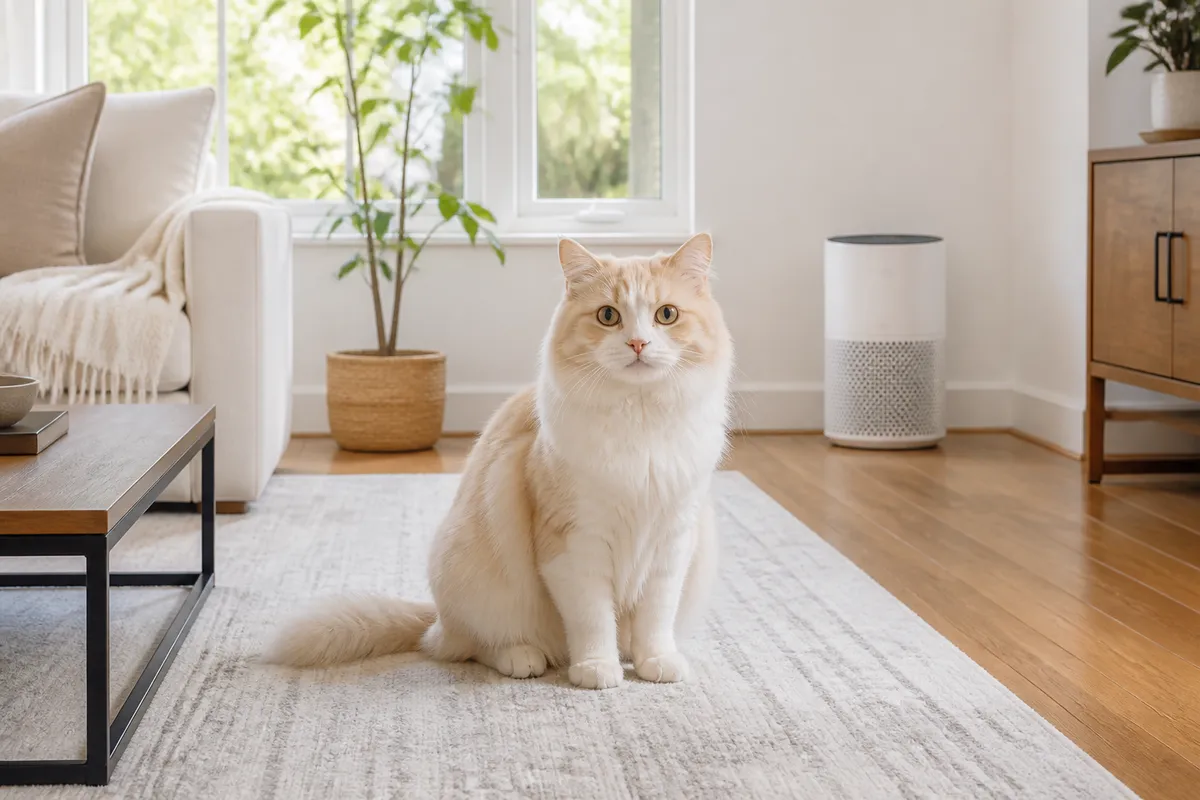
Start with the bedroom, because you spend about a third of your life there. Keep the cat and its bedding out and the door closed. AAFA suggests running a HEPA air cleaner at least four hours a day, especially where people sleep, and ACAAI recommends running them in bedrooms and living rooms.
- Make the bedroom a cat-free zone with the door closed
- Run HEPA air purifiers in the bedroom and main living area
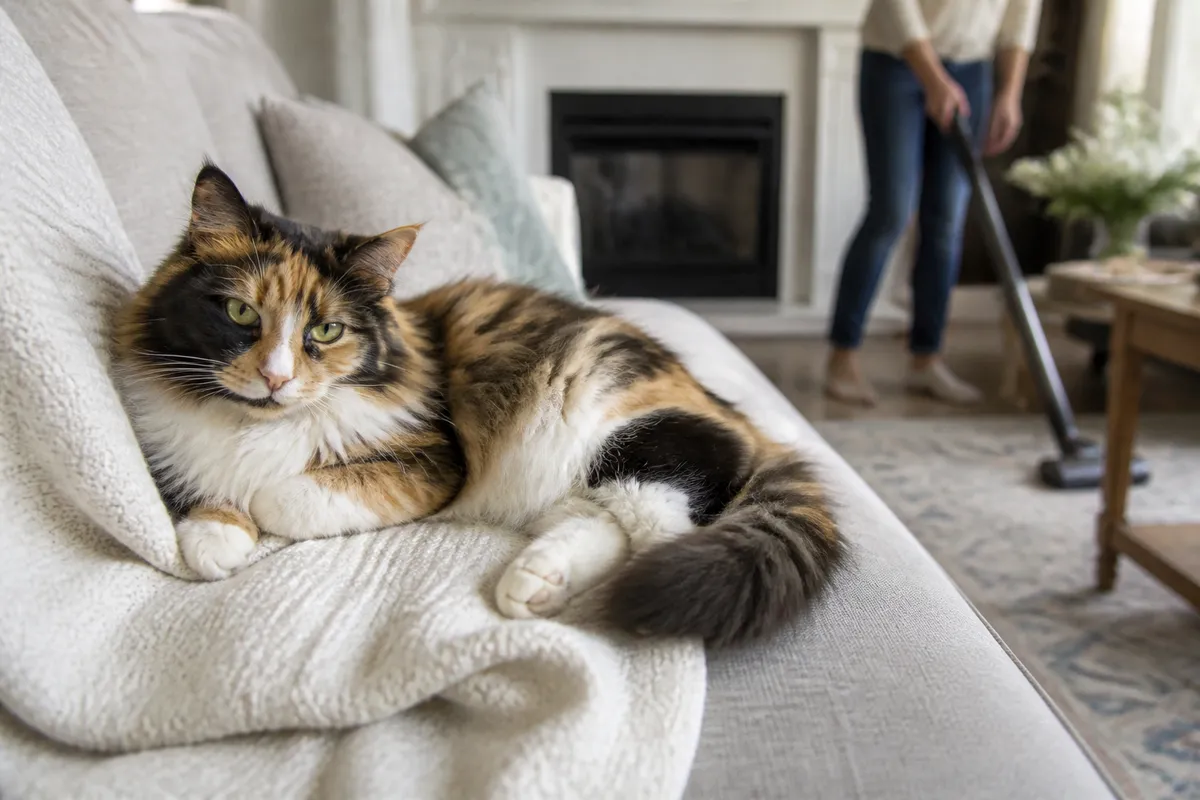
- Vacuum carpets and upholstery weekly with a HEPA-rated vacuum; wear a mask while cleaning
- Wash throws, pillow covers and pet bedding weekly in hot water
- Choose hard floors and washable covers over wall-to-wall carpet where possible
- Wipe hard surfaces with a damp cloth instead of dry dusting, which stirs allergen into the air
- Wash your hands after petting, and avoid hugging or kissing the cat
- Let a non-allergic household member brush the cat, ideally outdoors
Should you bathe your cat to reduce allergens?
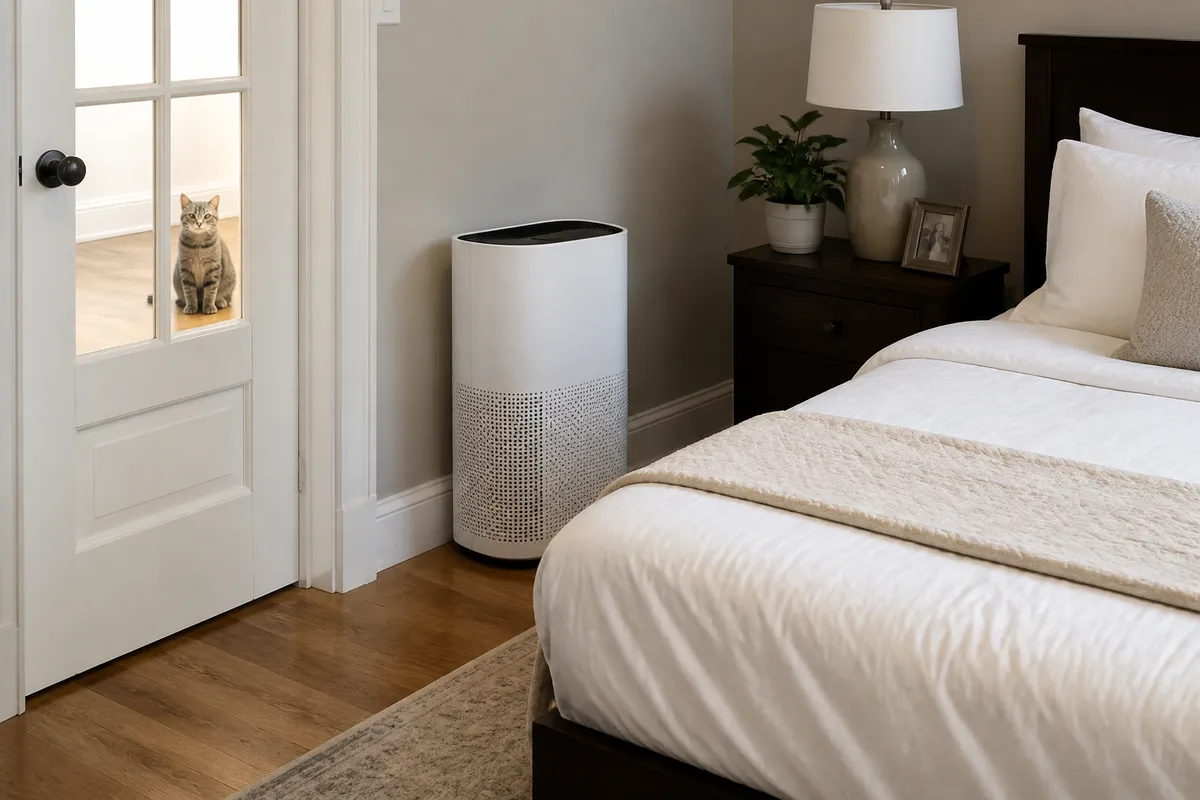
Several allergy groups mention weekly pet bathing as a way to reduce airborne allergen, and ACAAI suggests bathing the cat at least once a week. In real life, many cats find baths very stressful, and the effect wears off within days as the cat grooms again.
If you want to try it, ask your vet first, use only cat-safe shampoo, and let a non-allergic person do the job. Wiping the coat with a damp cloth or pet wipe is a gentler alternative some cats accept better. Our cat bath guide explains how to do it without a fight.
Allergen-reducing cat food: what Pro Plan LiveClear can do
One newer option works on the cat's side. Purina Pro Plan LiveClear contains an egg-based ingredient with antibodies that bind Fel d 1 in the cat's saliva, so less active allergen ends up on hair and dander. AAFA describes it as designed to neutralize Fel d 1, while noting that other cat allergens may still cause symptoms.
The research behind it was funded by the manufacturer. In a study of 105 cats fed the diet for 10 weeks, active Fel d 1 on the cats' hair fell by an average of 47 percent, with results varying between cats. That is a meaningful reduction, but not elimination.
Think of allergen-reducing food as one layer, not a cure. It may help some allergic people, alongside cleaning and medical treatment, and it does not replace seeing an allergist. Talk to your vet before switching your cat's diet, especially if your cat has health problems or a special diet.

Cat allergy treatment: medicine and allergy shots
For your own symptoms, see your doctor or an allergist, who will pick the treatment and dose. ACAAI lists the usual options: steroid nasal sprays and oral antihistamines for nasal symptoms, antihistamine eye drops for itchy eyes, and inhaled medicines for asthma symptoms. AAAAI notes that over-the-counter allergy medicines can relieve symptoms but are not ideal for long-term use without medical guidance.
For people who want to keep their cat or who cannot avoid cats, allergy shots (immunotherapy) are worth asking about. An allergist gives gradually increasing doses of allergen over time so the immune system becomes more tolerant. AAAAI calls it an effective long-term treatment, but it takes a real time commitment and many appointments.
Never give your cat any of your own allergy or other medicines. Many human drugs, including acetaminophen (Tylenol) and ibuprofen, are toxic to cats.
Living with a cat when you are allergic
Rehoming a cat is a painful last resort, and AAAAI notes that it is not the first step. Many families find a workable balance with the measures above and good medical care. Be honest with yourself, though: if you have asthma that worsens around cats, discuss the risks with your doctor before adopting.
If you are thinking about getting a cat and know you are allergic, spend time with the specific cat first, ideally on several visits, or consider fostering. Allergen levels differ between individual cats, and a trial period is fairer to both of you than returning a cat later.
Visitors with cat allergies deserve a little planning too. Vacuum and run the air purifier a day before they arrive, put fresh covers on the guest bed, and keep the cat out of the guest room for a few days beforehand. It will not make your home allergen-free, but it can make a weekend visit far more comfortable.
If you have given up a cat and still react, be patient: AAAAI notes that complete removal of dander can take six months or more, and a deep clean helps speed things up.
Frequently asked questions
Can you suddenly become allergic to cats?
Yes. AAFA notes that allergies can develop or change at any point in life. If you notice new sneezing, itchy eyes or wheezing around your cat, see a doctor or allergist to confirm the trigger, since dust mites and pollen can cause similar symptoms.
What is cat dander?
Dander is tiny flakes of skin. Cat dander carries allergens such as Fel d 1, which cats also spread through saliva while grooming. It is small and light, stays airborne after being disturbed, and sticks to fabrics and walls.
Does Purina Pro Plan LiveClear really work for cat allergies?
In manufacturer-funded research, cats fed the diet for 10 weeks had on average 47 percent less active Fel d 1 on their hair. That can help some allergic people, but it does not remove all allergens. Combine it with cleaning and medical advice.
Do air purifiers help with cat allergies?
HEPA air purifiers can lower airborne cat allergen, especially in the bedroom. Allergy organizations recommend running them for several hours a day or continuously, along with vacuuming and washing fabrics regularly.
How long does cat allergen stay in a house?
A long time. Cat allergen is sticky and can remain in homes for months after a cat is gone. AAAAI says complete removal can take six months or more, so deep cleaning of carpets, upholstery and ducts helps.
Are allergy shots worth it for cat allergies?
For people with ongoing symptoms who live with or cannot avoid cats, allergy shots can build long-term tolerance. They take many appointments over months to years, so discuss whether you are a good candidate with an allergist.
Sources
- Pet Allergy, American Academy of Allergy, Asthma and Immunology
- Pets, Dog and Cat Allergies, American College of Allergy, Asthma and Immunology
- Pet Allergies, Asthma and Allergy Foundation of America
- A Novel Approach to the Reduction of Cat Allergen Fel d1, EMJ (European Medical Journal), funded by the Purina Institute
Last reviewed: November 2026
This guide does not replace an exam by a veterinarian. If you are unsure, call your vet.