House Cat Facts: Where the Domestic Cat Came From and What Makes It Tick
Cat Knowledge 6 min read reviewed November 2026, 4 sources
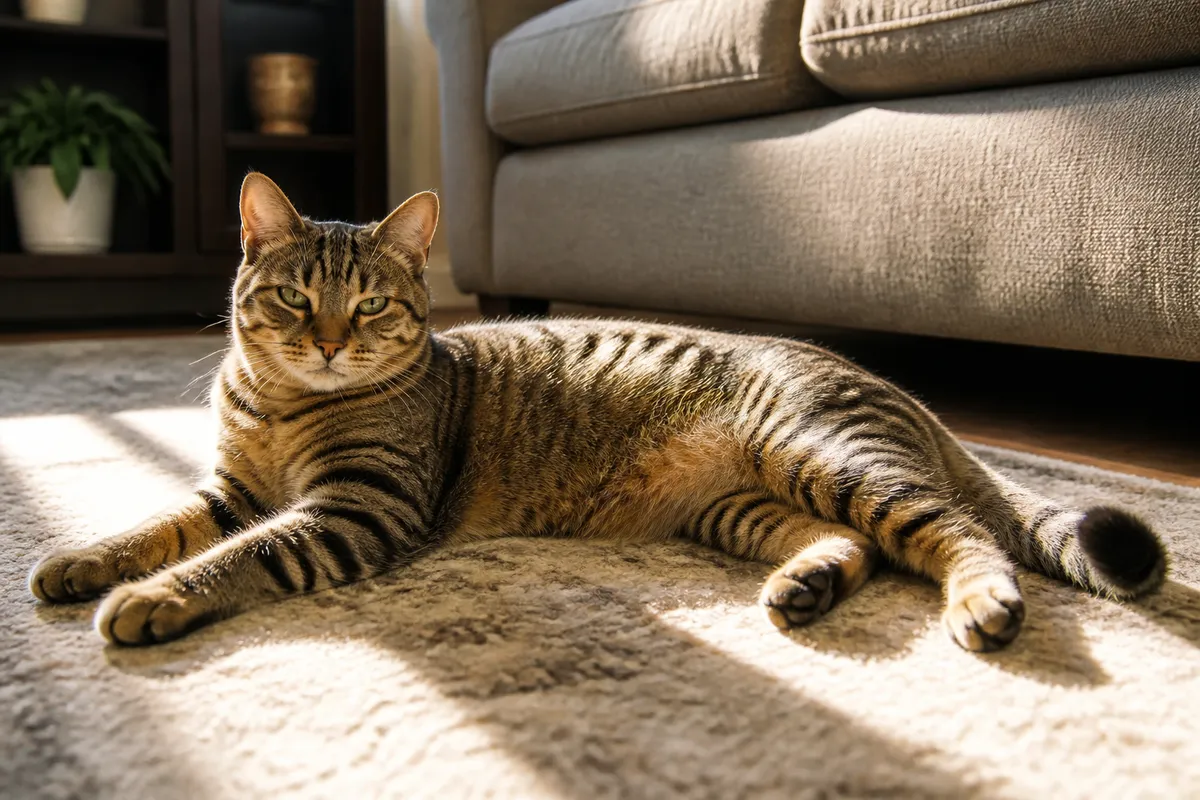
The house cat (Felis catus) is a small, meat-eating feline that descends from the Near Eastern wildcat and started living alongside people roughly 10,000 years ago, when early farmers began storing grain. Unlike most domestic animals, it was never really bred for a job; it moved in for the mice and stayed for the sofa. Here's where the domestic cat came from, how its body and senses work and what still makes your pet cat a little wild.
What is a house cat? The domestic cat in the feline family
Scientists call the domestic cat Felis catus. It belongs to the family Felidae, which International Cat Care describes as split into two groups: the big cats (lions, tigers, leopards, jaguars and their relatives) and all the other, smaller cats, from the cheetah to the house cat. The family has over 40 recognized species, all descended from a common ancestor that likely lived in Asia about 10 to 12 million years ago.
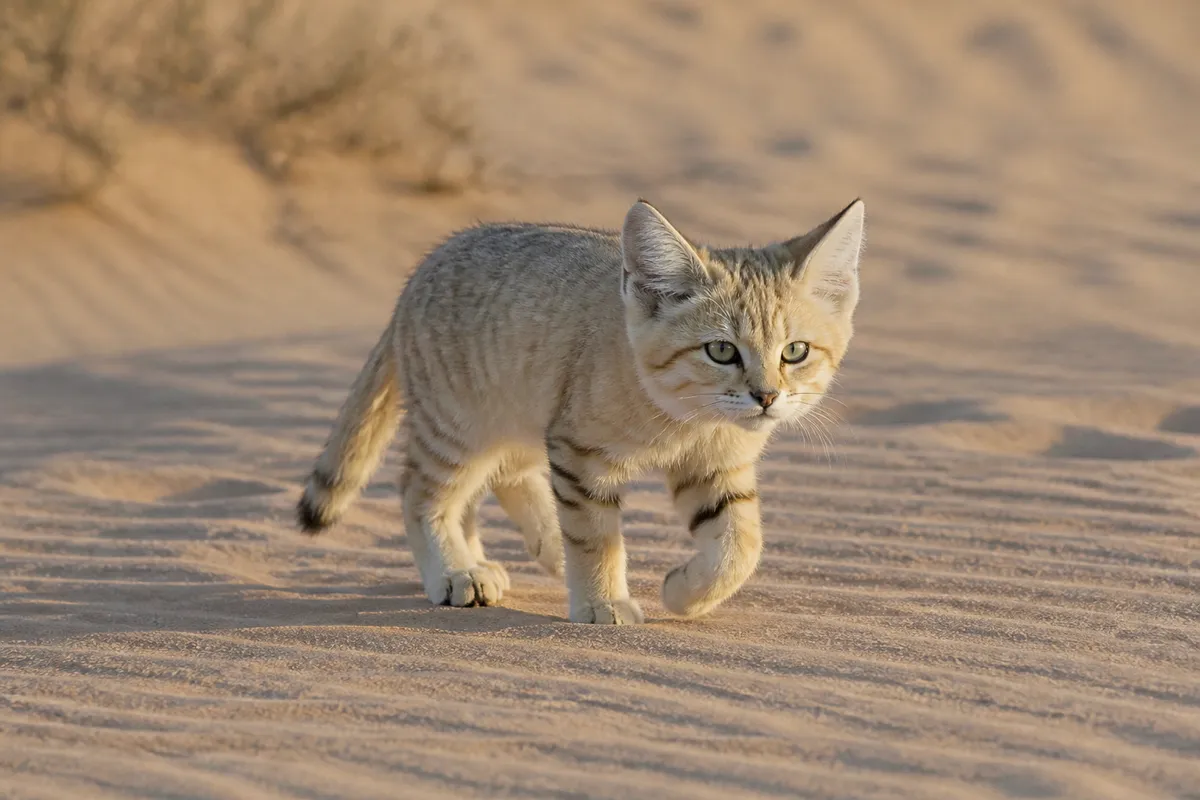
In evolutionary terms, the domestic cat is one of the newest members of the family. That's why your cat shares so much with its wild cousins: the rounded head, the hunter's skeleton, the solitary hunting style and the habit of marking territory with scent. For the bigger picture of its relatives, see our guide to wild cats.
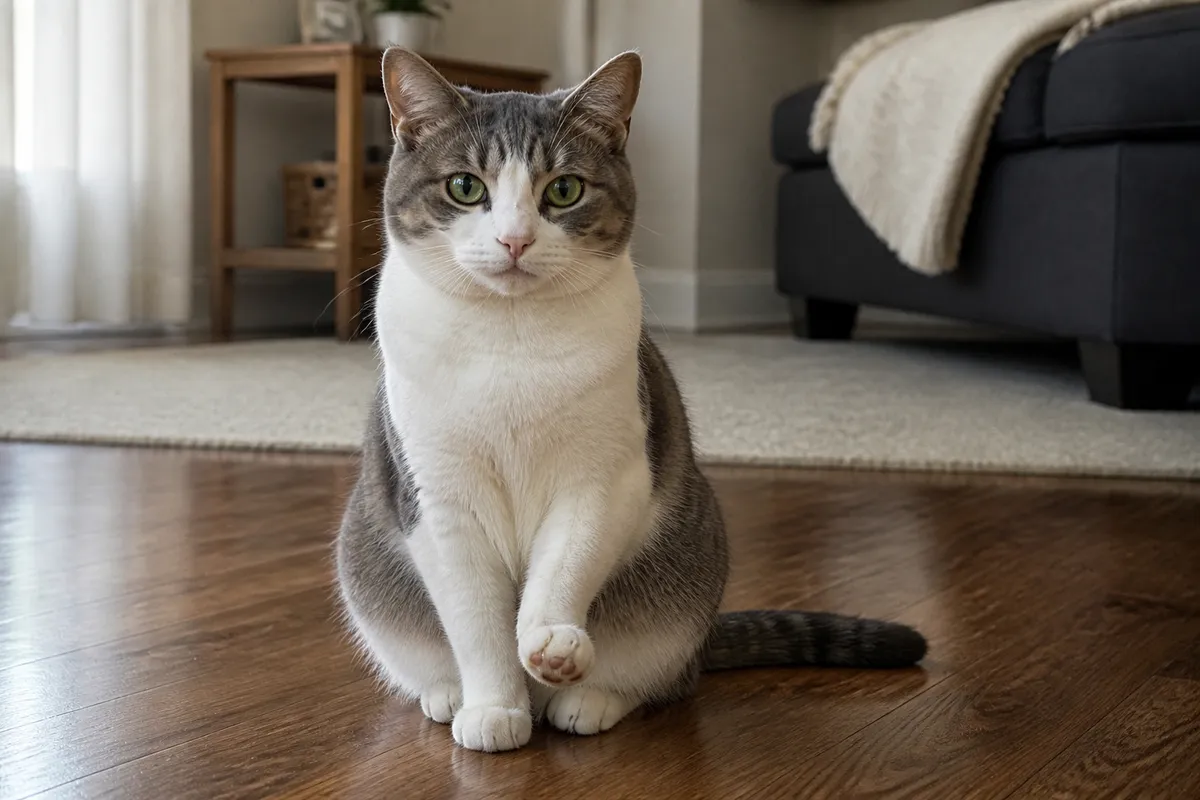
"House cat," "domestic cat" and "pet cat" all mean the same species. Purebred cats and the everyday domestic shorthair are the same animal genetically speaking; breeds are a fairly recent human invention.
Where did domestic cats come from?
For a long time, people credited ancient Egypt with taming the cat. Newer evidence points earlier and further east. International Cat Care explains that domestication probably began around 10,000 years ago or more in the Fertile Crescent, the region around today's Israel and its neighbors.
The trigger was likely agriculture. When people began storing grain, house mice multiplied, and wildcats followed the mice into the villages. The cats that tolerated people best got the most food and the most kittens, and over many generations a tamer cat emerged. It was a partnership of convenience: free pest control for the humans, a reliable buffet for the cats.
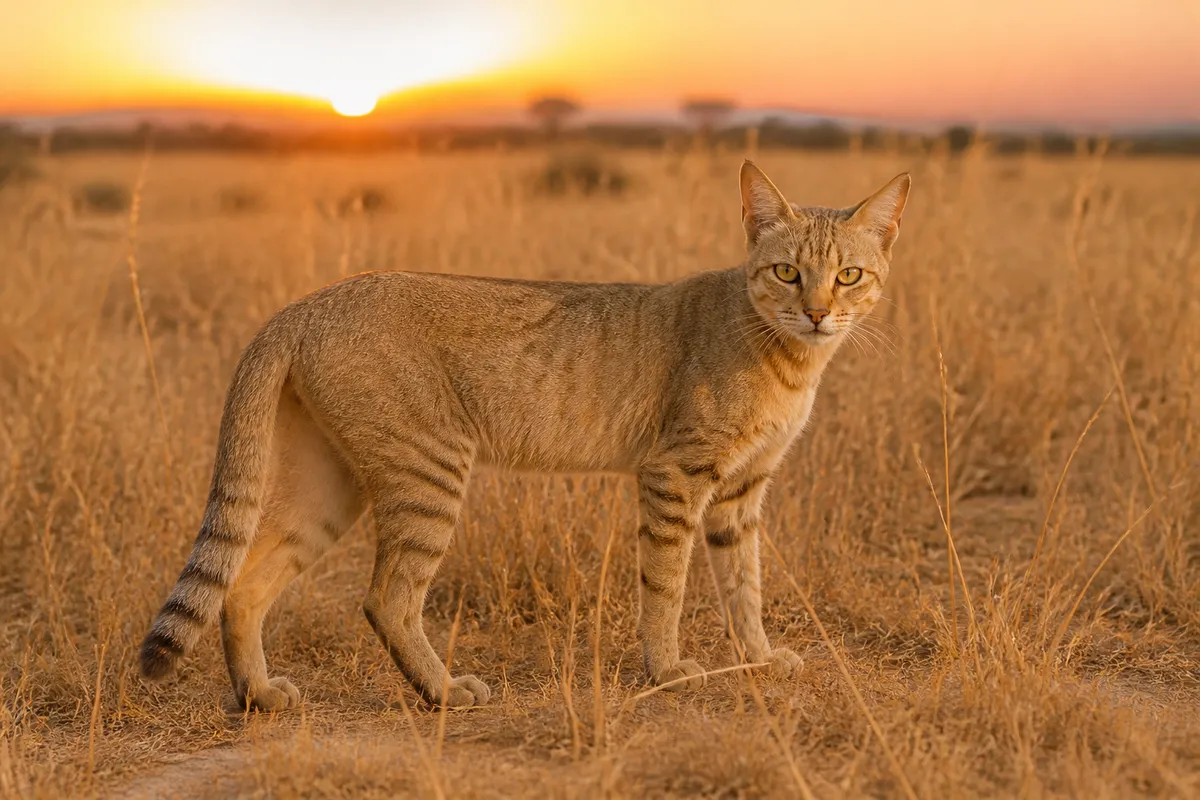
The oldest hard evidence comes from Cyprus, where a cat was deliberately buried with a person about 9,500 years ago. Cyprus had no native wildcats, so someone must have brought the animal over by boat. Genetic analysis shows that the DNA of modern domestic cats is almost identical to that of the Near Eastern wildcat, Felis silvestris lybica, which confirms it as the ancestor.
| When (approximately) | What happened |
|---|---|
| 10 to 12 million years ago | Common ancestor of all cats lives in Asia |
| About 10,000 years ago | Wildcats start living near grain stores in the Fertile Crescent |
| About 9,500 years ago | A cat is buried with a person on Cyprus, the oldest known close bond |
| About 3,700 years ago | Cats are common around settlements in the Fertile Crescent |
| About 2,900 years ago | Cats are honored in Egypt through the goddess Bastet |
| About 2,000 years ago | Cats spread across Europe, most likely with ships and trade |
| Today | Cats live on every continent except Antarctica |
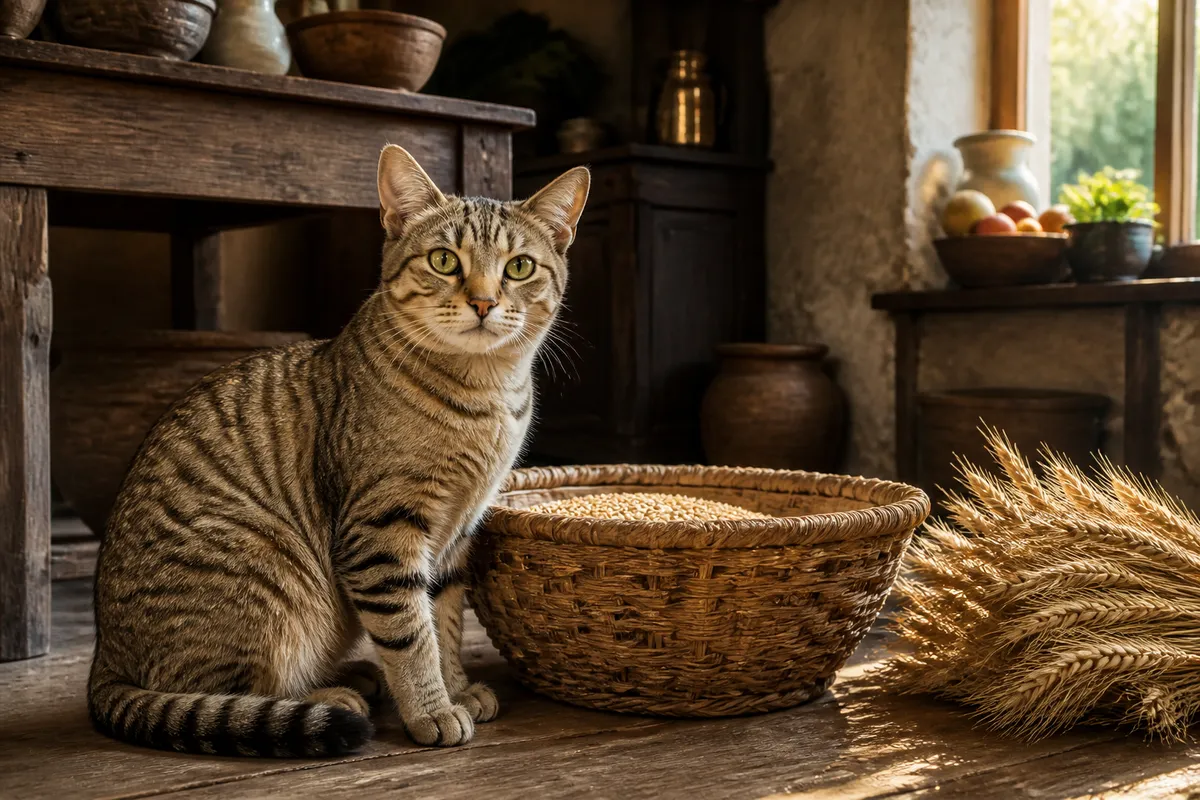
Cats in ancient Egypt and the spread around the world
Egypt didn't invent the house cat, but it certainly made it famous. International Cat Care notes that cats became an official deity in the form of the goddess Bastet around 2,900 years ago. Thousands of cats were bred near temples, mummified and buried, which suggests Egyptians were actively breeding them.
From there, cats traveled. By about 2,000 years ago they were spreading through Europe, most likely with shipping and trade, since a cat on board keeps the rats out of the cargo. Today the domestic cat is one of the most popular pets on earth and lives everywhere people do, except Antarctica.
The feline body: built for hunting
A house cat is a small but complete predator. It's an obligate carnivore, which Cornell Feline Health Center defines as an animal that relies on nutrients found only in animal products. Cats evolved eating prey high in protein, moderate in fat and very low in carbohydrates, and they still need those proportions today.
Their teeth match the menu. According to the Merck Veterinary Manual, kittens have 26 baby teeth that are replaced by 30 adult teeth between about 5 and 7 months of age, all built for gripping and slicing meat rather than grinding plants.
The paws are just as specialized. International Cat Care notes that cats have five toes on the front feet and four on the back, cushioned by pads that help them sneak up silently on prey. All cats except the cheetah can retract their claws, which keeps the tips sharp. Scratching sheds the old outer layers of the claw. Our cat paws guide goes deeper on toes, pads and claws.
- Whiskers: highly sensitive hairs that help a cat judge whether it fits through an opening.
- Fur: protects the skin from sun, cold and scratches, helps regulate temperature and adds to the sense of touch.
- Raised fur: a puffed-up coat helps with temperature or works as a warning when the cat feels threatened.
- Males and females look alike, though males tend to be slightly larger.
House cat senses: sight, hearing, smell and taste
Cats perceive the world very differently than we do, and their senses explain a lot of everyday behavior.
Vision: Merck notes that cats see about six times better than people in low light, which is where the "cats can see in the dark" idea comes from. They can't see in total darkness, but dawn and dusk, prime hunting hours, are no problem.
Hearing: cats hear better than people and even most dogs, and they're very good at pinpointing where a sound comes from. That's why your cat swivels its ears toward the crinkle of a treat bag from three rooms away.
Smell and taste: a cat's sense of smell is much stronger than a person's, and smell is a big part of how food tastes to it. Sweet, though, is missing entirely. A study in PLoS Genetics found that the gene for one part of the sweet taste receptor doesn't work in cats, so they likely can't taste sugar at all. Your cat wants the butter, not the cookie.

How domesticated is a pet cat, really?
Compared with dogs, cats changed surprisingly little during domestication. They kept their wild ancestor's body, diet and hunting instincts, and genetically they remain very close to the Near Eastern wildcat. Most of the change was in temperament: house cats are far more tolerant of people and of each other than their wild relatives.
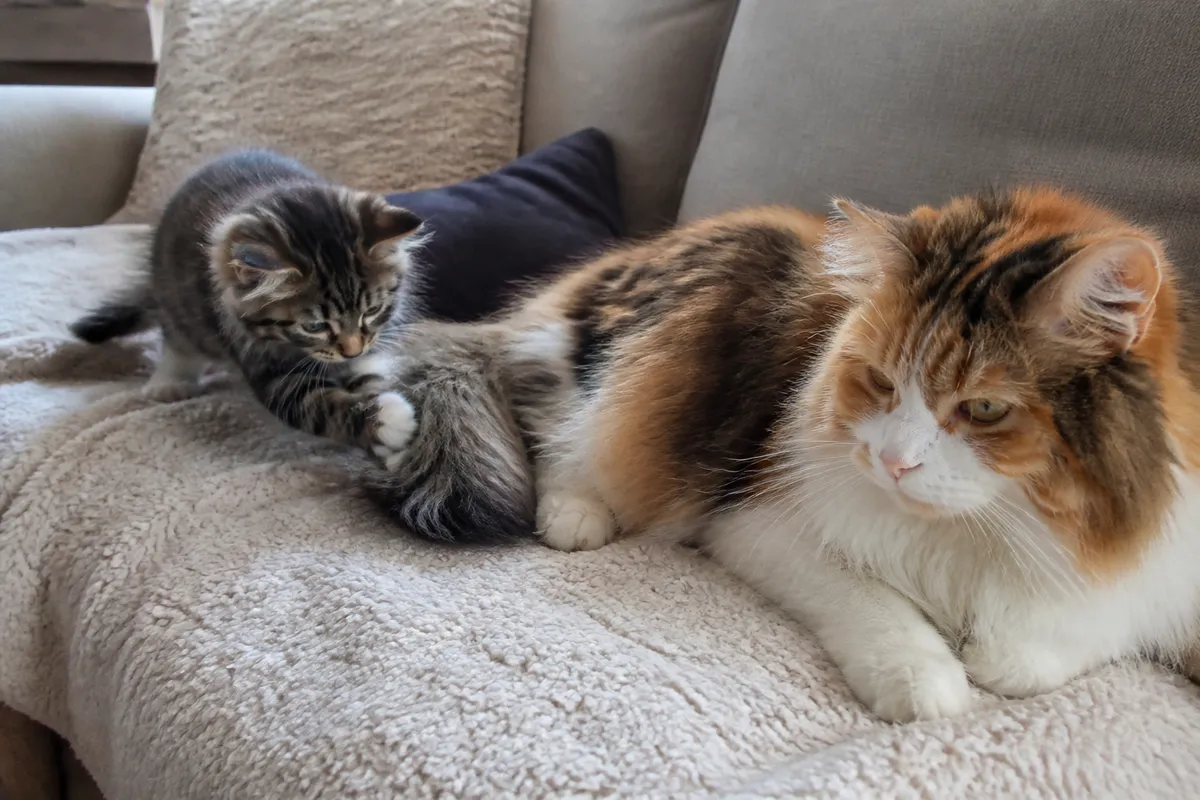
That half-wild nature shows up every day. Wild cats, except lions, are solitary hunters that live on their own territory, mark it with scent and come together mainly to mate. Your cat's scratching, cheek rubbing on furniture, stalking of toys and insistence on its own spots are the same behaviors in a living room setting.
It also means cats need outlets for those instincts. Daily play that mimics hunting, places to climb and scratch, and a predictable territory make a house cat calmer and happier, especially indoors.
Living with a house cat today
Most US vets recommend keeping cats indoors or giving them supervised outdoor time, such as a catio. Indoor living protects cats from traffic and predators, but it puts the job of enrichment on the staff. A few basics cover most of a house cat's needs:
- A meat-based complete cat food, since cats are obligate carnivores
- Fresh water in more than one place
- Clean litter boxes in quiet spots
- Scratching posts and climbing space
- Daily play sessions that let your cat stalk, chase and pounce
- Regular vet checkups, vaccines and parasite prevention
Frequently asked questions
What is the scientific name of the house cat?
The domestic cat is Felis catus. Genetic studies show it descends from the Near Eastern wildcat, Felis silvestris lybica, whose DNA is almost identical to that of today's house cats.
When were cats domesticated?
Domestication probably began about 10,000 years ago in the Fertile Crescent, when wildcats were drawn to mice around early grain stores. The oldest evidence of a close bond is a cat buried with a person on Cyprus about 9,500 years ago.
What is the difference between a domestic cat and a feline?
"Feline" refers to any member of the cat family, Felidae, from lions to house cats. A domestic cat is one feline species, Felis catus. So every house cat is a feline, but not every feline is a house cat.
Can house cats see in the dark?
Not in complete darkness, but they see about six times better than people in low light, according to the Merck Veterinary Manual. That makes them excellent hunters at dawn and dusk.
Are house cats related to lions and tigers?
Yes. All cats belong to the family Felidae and share a common ancestor that lived around 10 to 12 million years ago. Lions and tigers are in the big-cat group, while the house cat belongs to the group of smaller cats.
Why can't cats taste sweet things?
Cats carry a broken version of a gene needed for the sweet taste receptor, so they likely can't detect sugar. As obligate carnivores eating prey, they never needed to.
Sources
- The origins of cats, International Cat Care
- Description and Physical Characteristics of Cats, Merck Veterinary Manual
- Feeding Your Cat, Cornell Feline Health Center
- Pseudogenization of a Sweet-Receptor Gene Accounts for Cats' Indifference toward Sugar, PLoS Genetics (via PubMed Central)
Last reviewed: November 2026