British Shorthair: The Teddy-Bear Cat's Personality, Colors and Care
Cat Breeds 5 min read reviewed November 2026, 4 sources
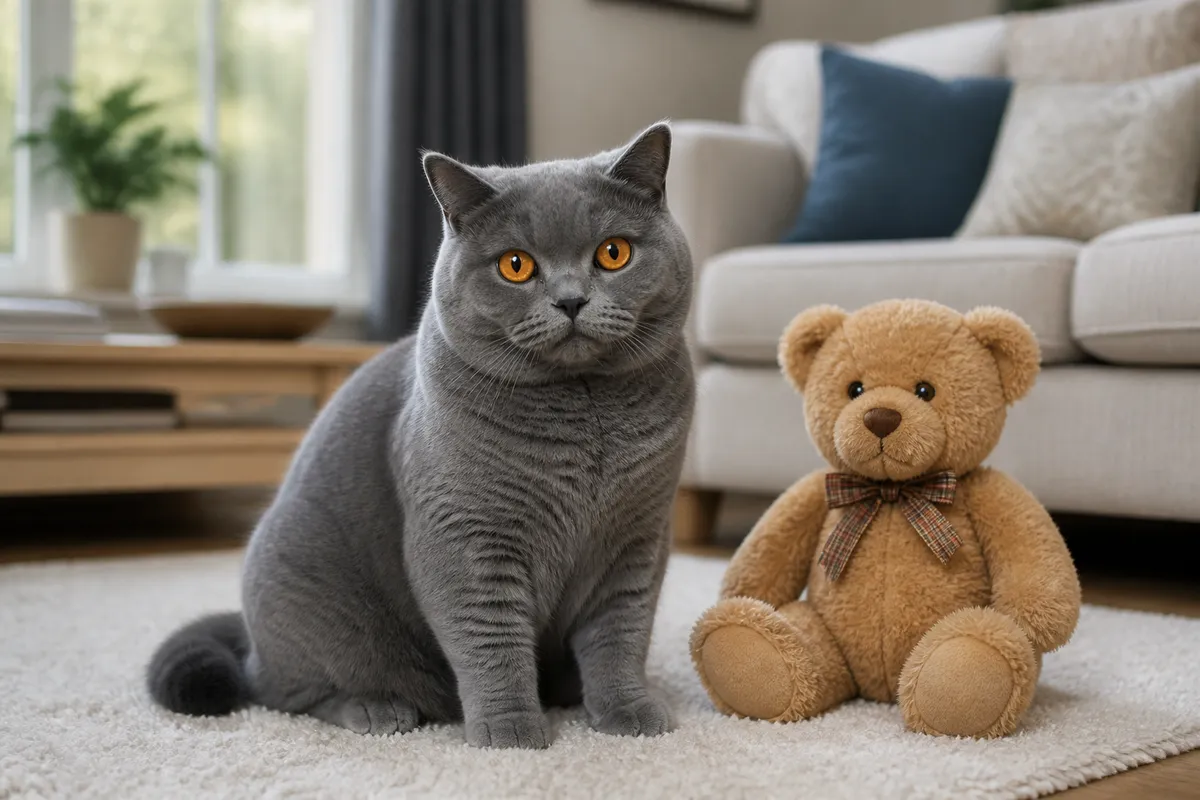
The British Shorthair is the round-faced, plush-coated "teddy bear" of the cat world: calm, quiet, affectionate without being clingy, and famous for the gray British blue, though it comes in many colors. It's an easy companion for apartments and families, but it matures slowly, gains weight easily and carries a heart disease risk that a good breeder screens for.
Where the British Shorthair comes from
The breed likely descends from street and farm cats of Britain, possibly going back to cats brought by the Romans. Its forerunner, the English Shorthair, appeared at the first major cat show, held at London's Crystal Palace in 1871, championed by Harrison Weir, often called the father of the cat fancy.
Both World Wars nearly wiped the breed out. Breeders rebuilt it by outcrossing to Persians, Russian Blues, Chartreux, Burmese and domestic shorthairs, which explains both the stocky shape and the longhaired kittens that still pop up in some litters. The first cats exported to the US in the early 1900s were registered as "British Blues."
The teddy-bear look: size, coat and build
A British Shorthair is compact, broad-chested and heavy-boned, with a round head, full cheeks, small rounded ears and large round eyes. Males are noticeably bigger, at about 9 to 17 pounds, while females usually weigh about 7 to 12. They mature slowly and may not be fully developed until three to five years old.
The coat is the signature: short, very dense and plush, with more hairs per square inch than any other breed according to the CFA. It feels firm and springy rather than silky, and it's the reason so many people describe the cat as a living stuffed animal.
| Trait | Typical for the breed |
|---|---|
| Weight | Males about 9 to 17 lb, females about 7 to 12 lb |
| Full maturity | Around 3 to 5 years |
| Coat | Short, very dense, plush |
| Grooming | Weekly brush, more during seasonal shedding |
| Personality | Calm, quiet, affectionate, independent |
| Voice | Quiet |
| Lifespan | Often about 14 years or more |
British blue and other British Shorthair colors
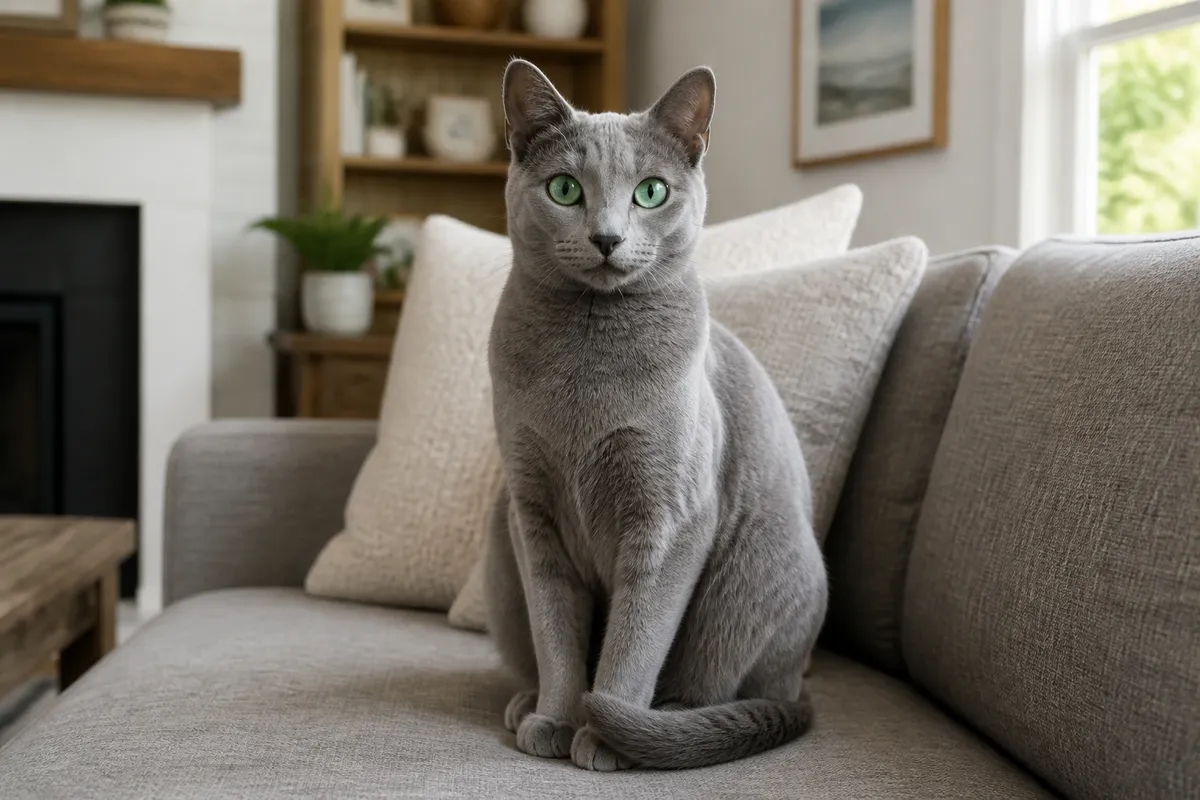
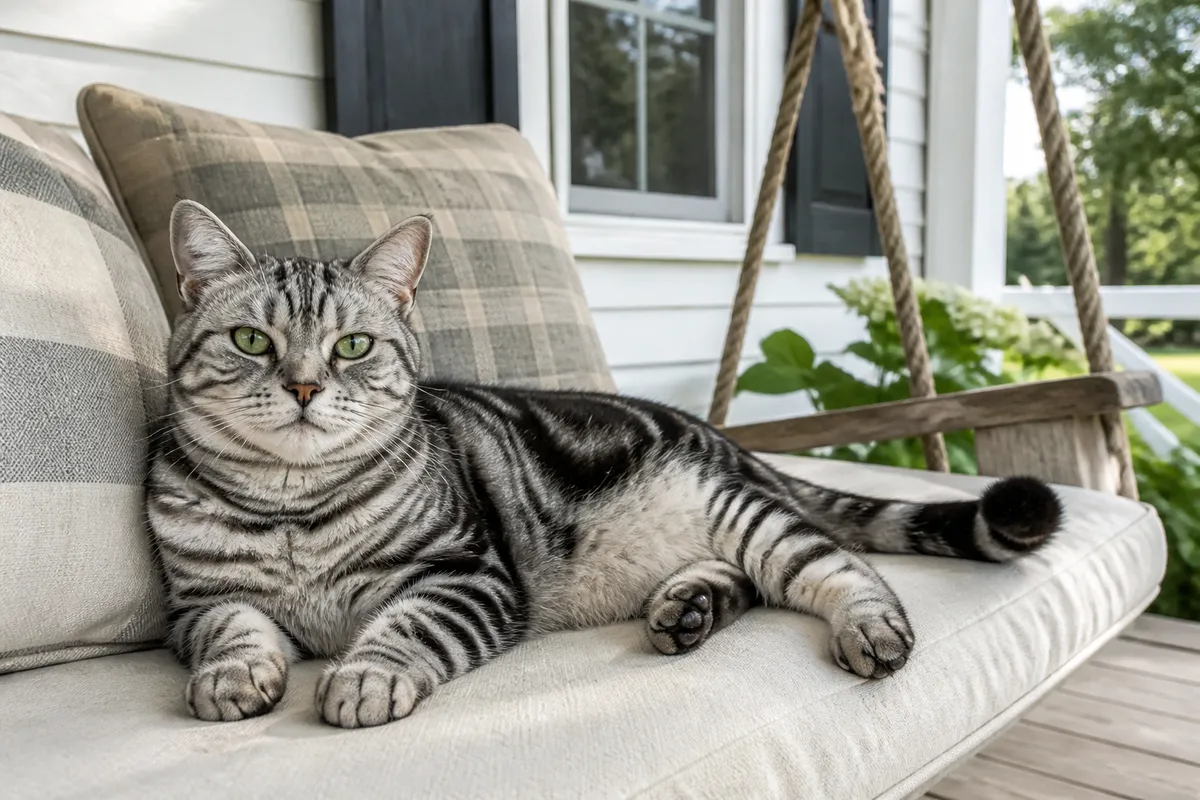
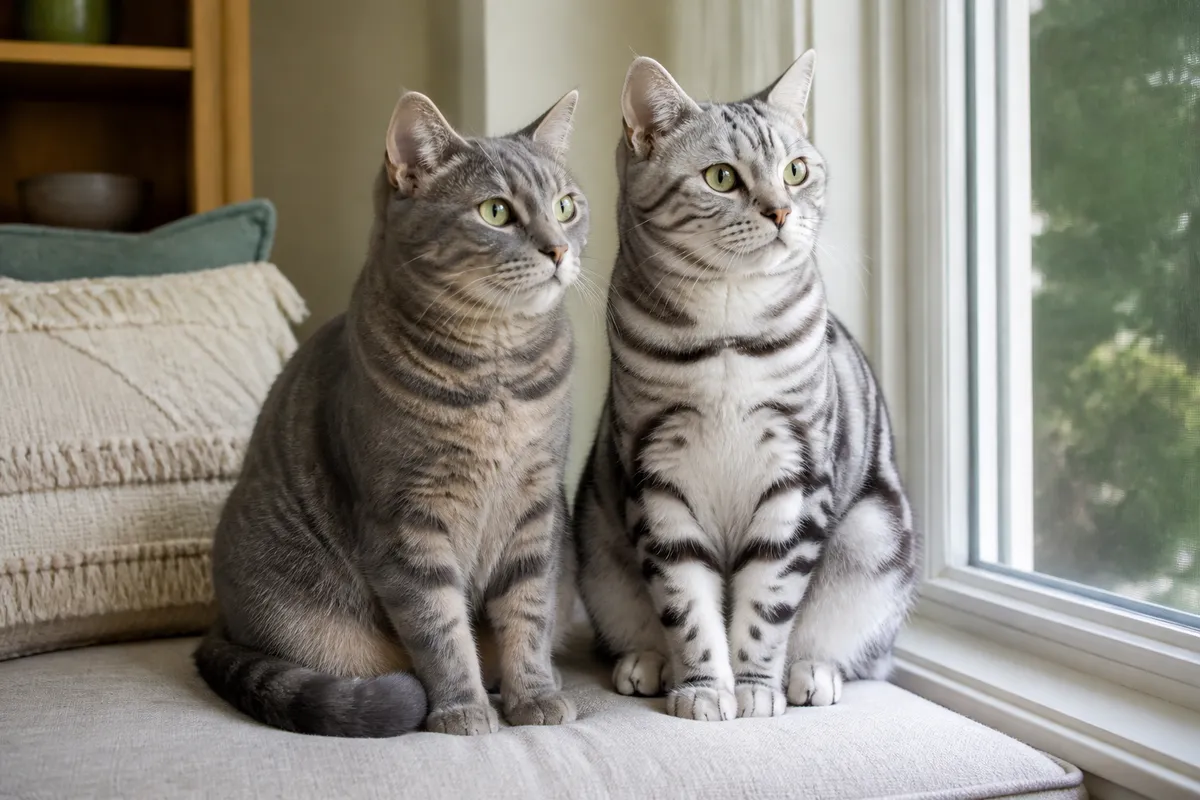
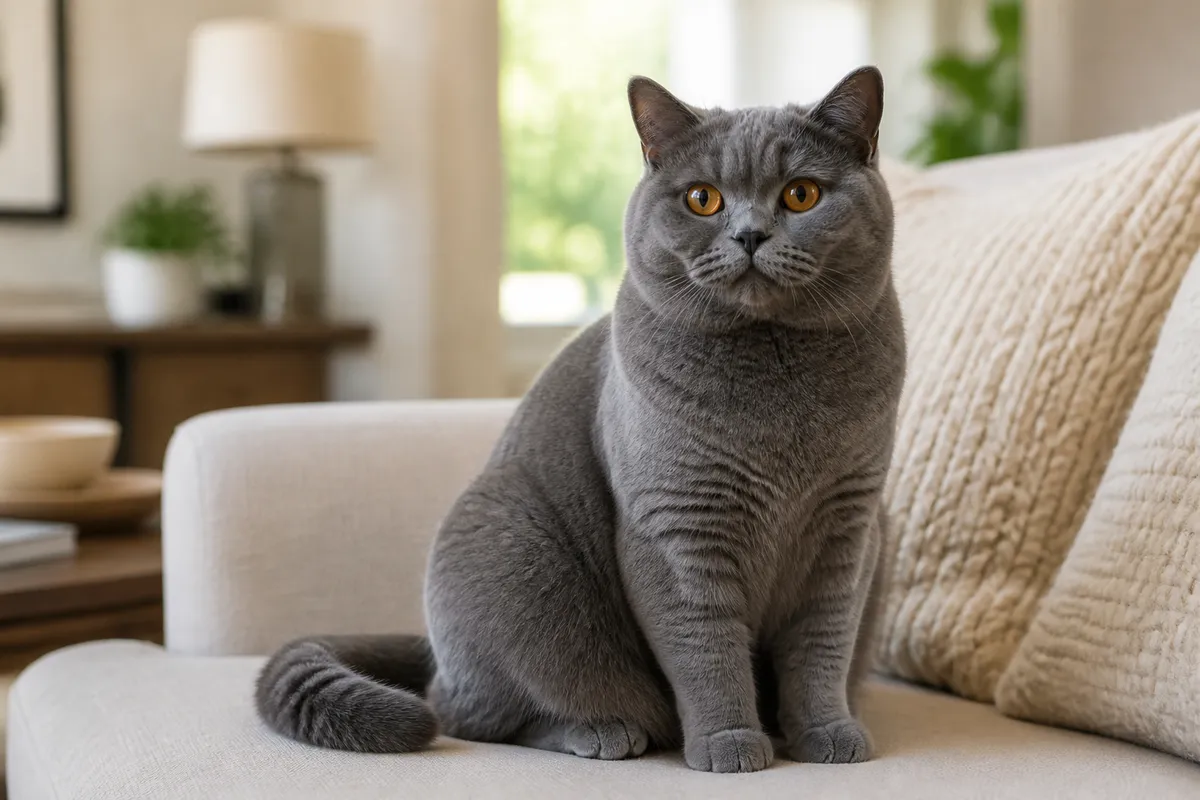
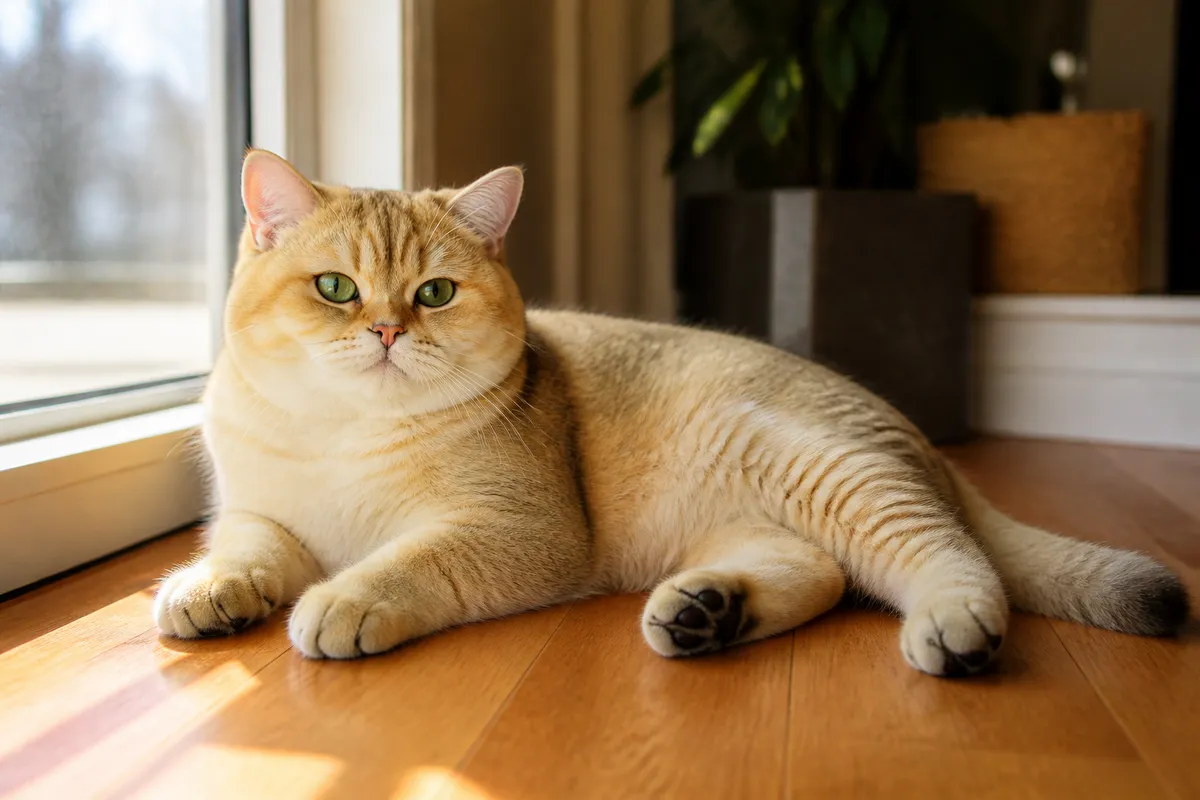
The British blue, a solid blue-gray with copper or gold eyes, is the breed's flagship color and what most people picture. But the breed comes in a huge range: solid white, black, red, cream, chocolate and lilac; silver and golden tipped coats (including chinchilla) with green eyes; smokes; classic, mackerel and spotted tabbies; tortoiseshells, calicos and bicolors.
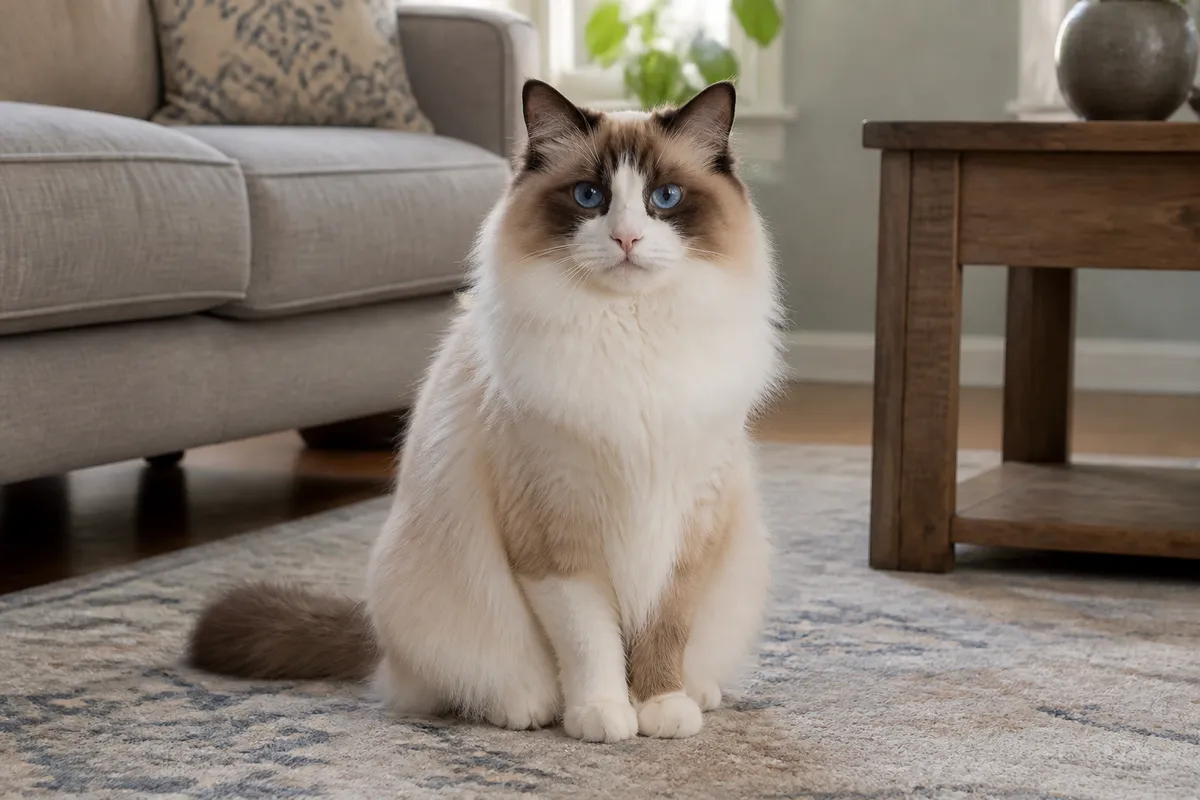
A white British Shorthair may have deep blue, gold or copper eyes, or one of each. Colorpoint British, sometimes advertised as "British blue point," has Siamese-style points with blue eyes; it's accepted by registries such as the UK's GCCF, but not every registry lists it, so check papers carefully. Color doesn't change temperament, so choose the breeder first.
British Shorthair personality
British Shorthairs are calm, patient and affectionate in a dignified way. They tend to bond with the whole family rather than one person, follow you from room to room and settle nearby, but many don't love being picked up and carried. They're quiet, rarely demanding and usually tolerant of children and other pets, though they may withdraw from loud, chaotic play.
Kittens are lively, but adults often become happily lazy and prefer keeping all four paws on the ground. That makes them excellent apartment cats and a good match for people who work, as long as they get some daily play to stay fit.
Grooming and weight: the real care issues
Grooming is easy: brush or comb once a week to control shedding, more often during seasonal molts, and clip claws regularly. Older cats sometimes need help keeping the dense coat tidy.
Weight is the bigger challenge. The breed has a slow metabolism and a moderate activity level, so British Shorthairs put on fat easily, and the round face and dense coat hide it well. Measure every meal, use puzzle feeders, and run your hands along the ribs regularly: you should feel them under a thin layer. Ask your vet for a target weight, since a big-boned male and a small female can look similar under all that plush.
- Measure food; don't free-feed
- Two short play sessions a day, wand toys work best
- Weekly brush, daily during heavy shedding
- Weigh your cat every month or two and log it
British Shorthair health
The breed is generally healthy, but a few things are worth knowing and asking about.
- Hypertrophic cardiomyopathy (HCM): a known issue in the breed with no DNA test available, so responsible breeders rely on heart screening and avoid breeding affected cats.
- Polycystic kidney disease (PKD): once a problem, now largely controlled by DNA testing. Ask for negative results for both parents.
- Blood type B: many British Shorthair lines carry type B blood, which is less common in cats. Know your cat's blood type in case a transfusion is ever needed, and breeders need to plan matings around it.
- Obesity, with the joint and diabetes risks that come with it.
- In the UK, imported breeding cats now need a negative test for ALPS, an inherited immune disorder, so ask whether the parents were tested.
The British Longhair
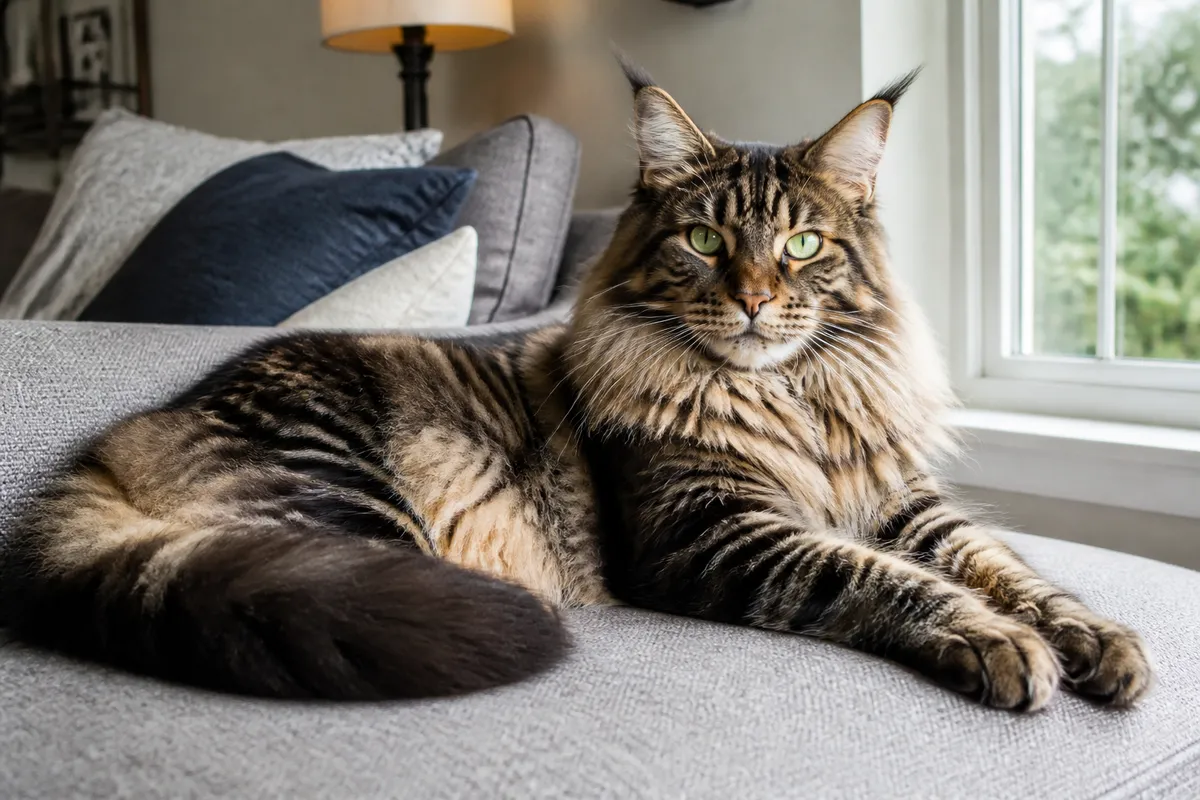
Because Persians were used to rebuild the breed, some British Shorthair litters include longhaired kittens. For years they were sold as pets or called "variants." Today they're recognized as a breed of their own, the British Longhair, by TICA and, since 2017, by the UK's GCCF. They share the round face and calm nature, but the semi-long coat needs brushing a few times a week and more during shedding.
British Shorthair kittens for sale: price and breeders
Prices depend on color, breeder, region and pet versus breeding rights, and there's no official figure. Popular colors and the teddy-bear look make the breed a frequent target of online scams and of sellers who skip health testing. Ask for PKD results and heart screening for the parents, vet records, a contract and a health guarantee, and meet the kitten and mother in person or by live video.
The CFA warns against sellers with many kittens listed at once, kittens offered at six to eight weeks, large nonrefundable deposits and pressure to ship. Kittens should go home at 12 weeks at the very least, ideally 16, and British Shorthairs, slow developers that they are, benefit from the extra time. Shelters and rescues sometimes have British Shorthairs and lookalike gray domestic cats too.
Who the British Shorthair suits
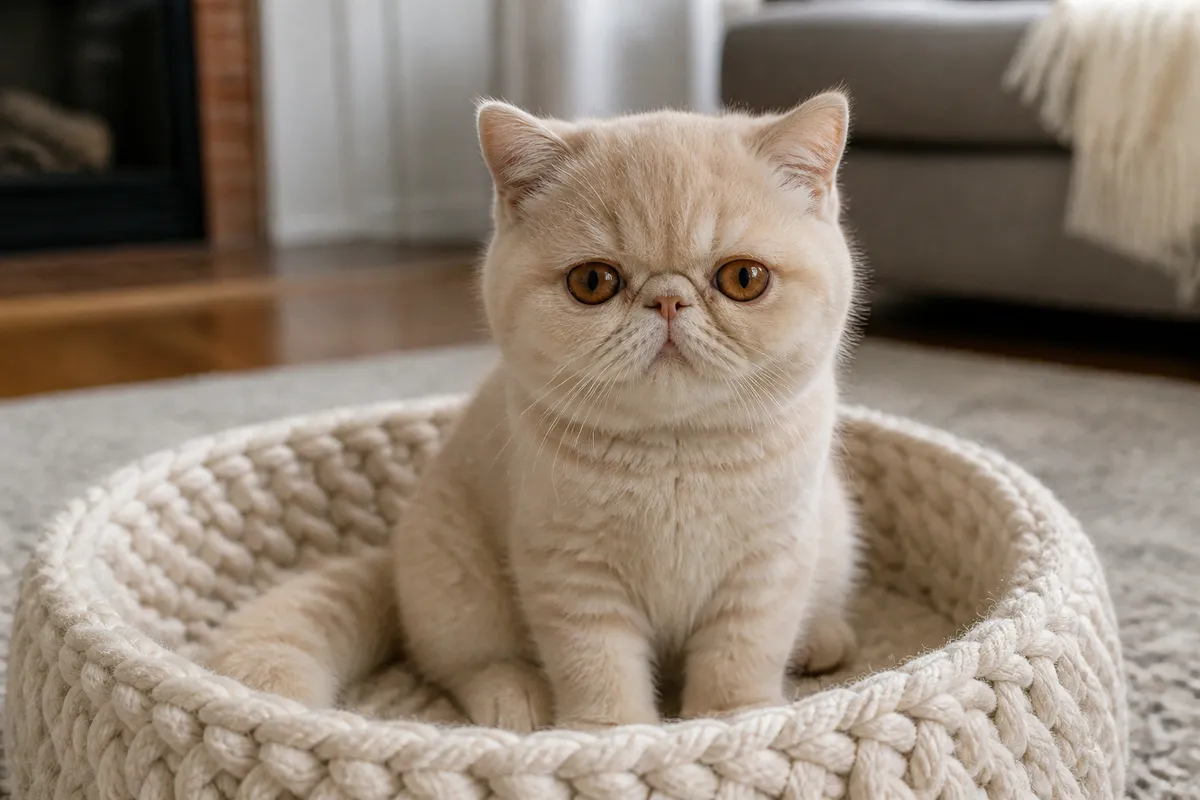
It's a great match for apartment dwellers, working singles or couples, calm families and first-time cat owners who want an easygoing, quiet companion. It's less ideal if you want a lap cat who loves to be carried, or an athletic, high-energy playmate. If you love the look but prefer a flatter face, the Exotic Shorthair is the closest relative.
Frequently asked questions
How much does a British Shorthair cost?
It depends on the breeder, region, color and whether it's a pet or breeding cat, and there's no official price. Health testing for PKD and heart screening are part of what you pay for. Very cheap kittens online are a common scam.
What is a British blue cat?
"British blue" is the blue-gray color of the British Shorthair, the breed's most famous color. It's the same breed as British Shorthairs in other colors.
Are British Shorthairs good indoor cats?
Yes. They're calm, adaptable and well suited to apartments. Because they're trusting and not very quick, they're safest indoors or supervised outside.
Do British Shorthairs like to be held?
Many don't enjoy being picked up and carried, though they're affectionate and like to sit near you. Let them come to you and keep handling brief.
Is an English Shorthair the same as a British Shorthair?
Yes, in practice. "English Shorthair" was the historic name of the breed's forerunner in the first British cat shows, and some people still use it.
How long do British Shorthairs live?
With good care many live into their mid-teens or longer. Keeping them lean is one of the best things you can do for a long life.
Sources
- British Shorthair breed profile, Cat Fanciers' Association
- British (Shorthair and Longhair), Governing Council of the Cat Fancy
- British Shorthair, VCA Animal Hospitals
- Could This Kitten Be A Scam?, Cat Fanciers' Association
Last reviewed: November 2026