Cat Price: What a Cat Costs to Buy or Adopt and to Keep Each Year
Home & Living 6 min read reviewed November 2026, 5 sources

The cat price you pay up front is the smallest part of the bill: adoption fees are often around $150 or less, while the ASPCA estimates that a cat costs about $1,150 per year to keep and about $1,900 in the first year. Buying a purebred kitten from a breeder adds a purchase price that varies widely by breed and breeder. Here is what you can expect to spend, what is included and how to avoid paying for a kitten that does not exist.
How much does a cat cost in the first year?
The ASPCA's cost estimate for cats (last updated in 2021) is a good reality check before you get a cat. It adds up one-time costs like spaying, first vaccines and a carrier with annual costs for food, litter, routine vet care and parasite prevention. Prices have risen since then and vary a lot by region, so treat these numbers as a minimum, not a quote.
Notice what is not in the table: emergency care, illness and dental surgery beyond a routine cleaning. A single emergency visit can cost more than a year of food, which is why it helps to set money aside or look into pet insurance while your cat is young and healthy.
| Item | Cost | Type |
|---|---|---|
| Spay or neuter | about $150 | One-time |
| Initial vaccines and medical costs | about $175 | One-time |
| Microchip | about $20 | One-time |
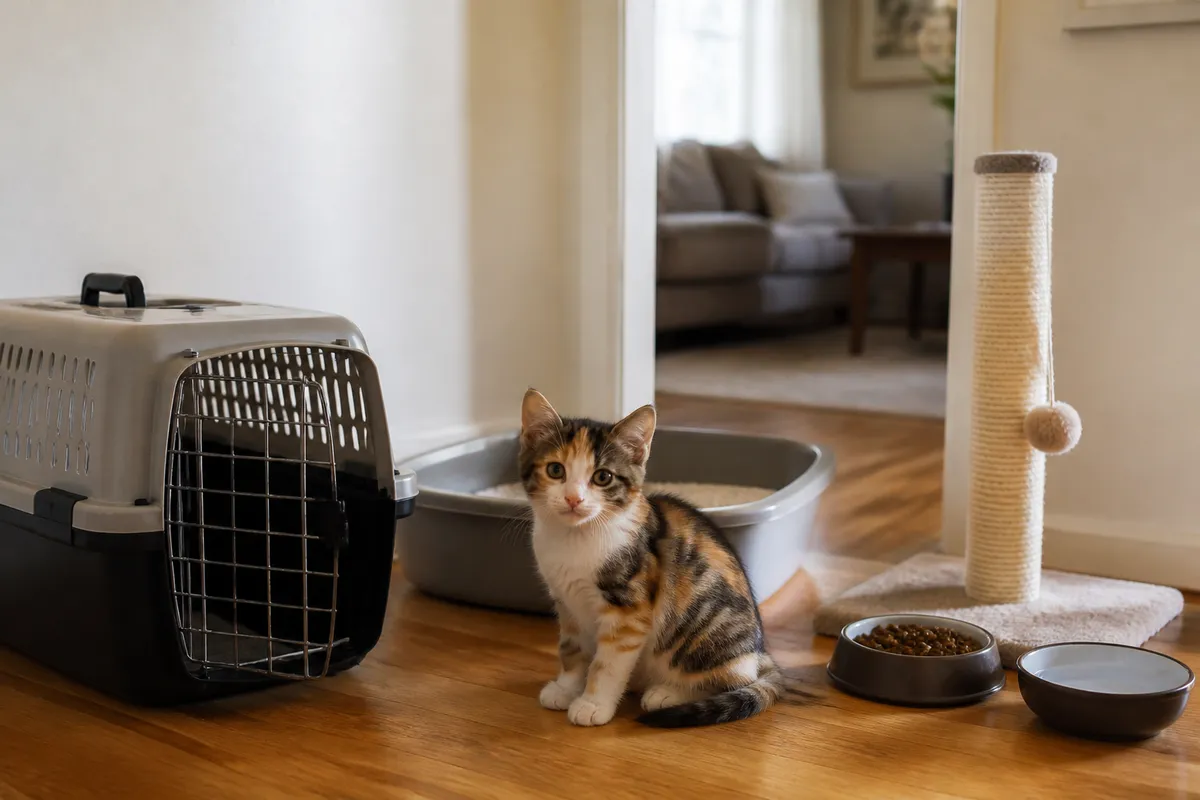
| Carrier, litter box, scratching post, grooming tools, collar | about $110 | One-time |
| Food | about $225 | Yearly |
| Litter | about $150 | Yearly |
| Routine vet care (exams, vaccines) | about $160 | Yearly |
| Flea and other preventive medication | about $140 | Yearly |
| Pet health insurance | about $348 | Yearly |
| Toys, treats, license, grooming supplies | about $100 | Yearly |
| Dental care | about $300 | Special cost |
| First year total | about $1,904 | ASPCA estimate |
Adopting vs. buying a cat: how the price compares
Adoption is the budget-friendly route. Shelters and rescues set their own fees; the ASPCA Adoption Center in New York City, for example, suggests $150 for any animal and waives the fee at some events. Humane World for Animals points out that shelter pets typically cost less than purchased or even free pets once you count the vaccinations, spay or neuter surgery, microchip, flea treatment and dewormer that are usually included.
If you buy a cat from a breeder, the purchase price comes on top of all the costs in the table, and many breeders sell pet kittens before they are spayed or neutered. There is no reliable national price list for purebred kittens. Prices depend on the breed, the breeder and your region, so compare what is included rather than the number alone. Our breed guides, such as the ones on Maine Coons, Ragdolls and Bengals, discuss what to expect for each breed.
A free kitten from a neighbor or an online ad is not really free either. It usually still needs its first vaccines, deworming, a microchip and spay or neuter surgery, which in the ASPCA's estimate add up to roughly $345 before you have bought a single bag of food. That is more than many shelters charge for a cat who already has all of it done. Our cats for adoption guide explains how to find one.
What drives the price of kittens for sale
When you see kittens for sale at very different prices, these are the factors behind the difference. A higher price is only worth it if it pays for real care, not just a fancy pedigree name.
- Breed: rare breeds and breeds with small gene pools tend to cost more
- Health testing: responsible breeders screen parent cats for the hereditary problems typical of their breed
- Vet care before sale: vaccines, deworming, a vet check and sometimes spay or neuter surgery
- Registration and pedigree papers from a cat registry such as CFA or TICA
- Pet quality vs. breeding or show quality: kittens sold for breeding usually cost more
- Age: kittens should not leave their mother before about 7 to 8 weeks, and many breeders keep them longer
- Region and demand: popular breeds can have waiting lists
How to buy a cat from a responsible breeder
If you have your heart set on a specific breed, take your time. A good breeder will have as many questions for you as you have for them. Humane World notes that some breeders and shelters write into their contracts that a cat must come back to them if the owner can no longer keep it, which is a good sign that the breeder cares where their kittens end up.
- Visit in person or by live video and meet the mother cat
- Ask which health tests the parents have had and request the results
- Ask for written vet records for the kitten
- Expect a written contract and a take-back clause
- Be wary of breeders who always have kittens available, sell several breeds or want to meet in a parking lot
- Check whether the breed has its own rescue group: many purebred cats also need homes
Cats for sale online: how to avoid scams
Online ads for cats for sale are a common scam tool. The Federal Trade Commission warns that scammers post appealing pets, often purebreds at prices far below normal, pressure buyers to act fast and demand payment up front. Once the money is sent, the seller disappears, and the pet may never have existed.
The FTC is clear on one point: only scammers say you must pay with gift cards, payment apps, cryptocurrency or wire transfer services, because that money is hard to get back. A bargain price on a popular breed is a warning sign in itself.
- Search the seller's name with words like scam, review or complaint
- Insist on seeing the kitten in person or on a live video call before paying anything
- Be suspicious of extra fees for shipping, crates, insurance or vaccines that appear after you agree
- Report pet scams at ReportFraud.ftc.gov

Yearly costs: what you keep paying for
The ASPCA puts the annual cost of a cat at about $1,149, including insurance. Food and litter are the steady expenses; routine vet care and preventive medication follow. Costs climb as cats age and develop conditions such as dental or kidney disease, so a senior cat often costs more than a young one.
Some costs depend on your choices. Wet food costs more than dry, premium litter more than basic clay, and a second cat roughly doubles the bill. Cat sitting or boarding also adds up if you travel; the ASPCA counts about $25 per day for boarding. Our guides on cat food, cat litter and cat sitters go into detail.
A simple habit helps: put a fixed amount into a separate savings account every month from the day your cat moves in. When the first big vet bill arrives, and it will, you will be glad you did.
How to save money without cutting corners
Skipping the vet is the most expensive way to save money. The ASPCA stresses that treating illness costs more than preventing it, so keep the yearly checkup. Here are smarter ways to keep the bill down.
- Ask about low-cost spay and neuter programs: many shelters offer them
- Talk to your vet about which vaccines your cat really needs based on its lifestyle
- Brush your cat regularly and trim its nails at home
- Ask your vet about a home dental routine, since dental disease leads to expensive procedures
- Avoid overfeeding: obesity causes health problems that cost money later
- Never use a flea or tick product made for dogs on a cat
- Compare pet insurance plans carefully and read the fine print
Frequently asked questions
How much does a cat cost per month?
Based on the ASPCA's annual estimate of about $1,149, a cat costs roughly $95 per month on average, including insurance. Real costs depend on your region, food choices and your cat's health, and emergencies come on top.
Is it cheaper to adopt or buy a cat?
Adopting is almost always cheaper. Shelter fees often include vaccinations, spay or neuter surgery, a microchip and deworming, which you would otherwise pay for separately after buying a kitten.
Why are some kittens for sale so expensive?
Prices reflect the breed, health testing of the parents, vet care before sale, registration papers and demand. A high price does not guarantee quality, so ask exactly what is included and what health tests were done.
How can I tell if a kitten for sale online is a scam?
Warning signs include a price far below normal, pressure to pay quickly, refusal to show the kitten on a live video call and requests for gift cards, payment apps, cryptocurrency or wire transfers. Never pay a deposit for a pet you have not seen.
How much does a cat cost over its lifetime?
There is no reliable single number because costs depend on how long your cat lives and its health. Multiply the yearly cost by the expected lifespan and add a cushion for illness and senior care; our cat lifespan guide helps with the second part.
Sources
- Cutting Pet Care Costs (2021 cost estimate), ASPCA
- ASPCA Adoption Center in NYC, ASPCA
- Adopt Pets From Animal Shelters or Rescues, Humane World for Animals
- How to Find a New Home for Your Dog or Cat, Humane World for Animals
- Getting a pet? Avoid scams, Federal Trade Commission
Last reviewed: November 2026