Cats for Adoption: Where to Look, What Shelters Ask and What It Costs
Home & Living 6 min read reviewed November 2026, 6 sources
Cats for adoption are waiting at local shelters, rescue groups and foster homes in nearly every US community: according to the ASPCA, about 3 million cats entered shelters and rescues in 2025 and about 2.2 million were adopted. Adopting usually means a short application or conversation, a modest fee and a cat that is already vaccinated and spayed or neutered. Here is how to find your match, what to expect on adoption day and why a free kitten from an online ad can end up costing more.
Where to find cats for adoption near you
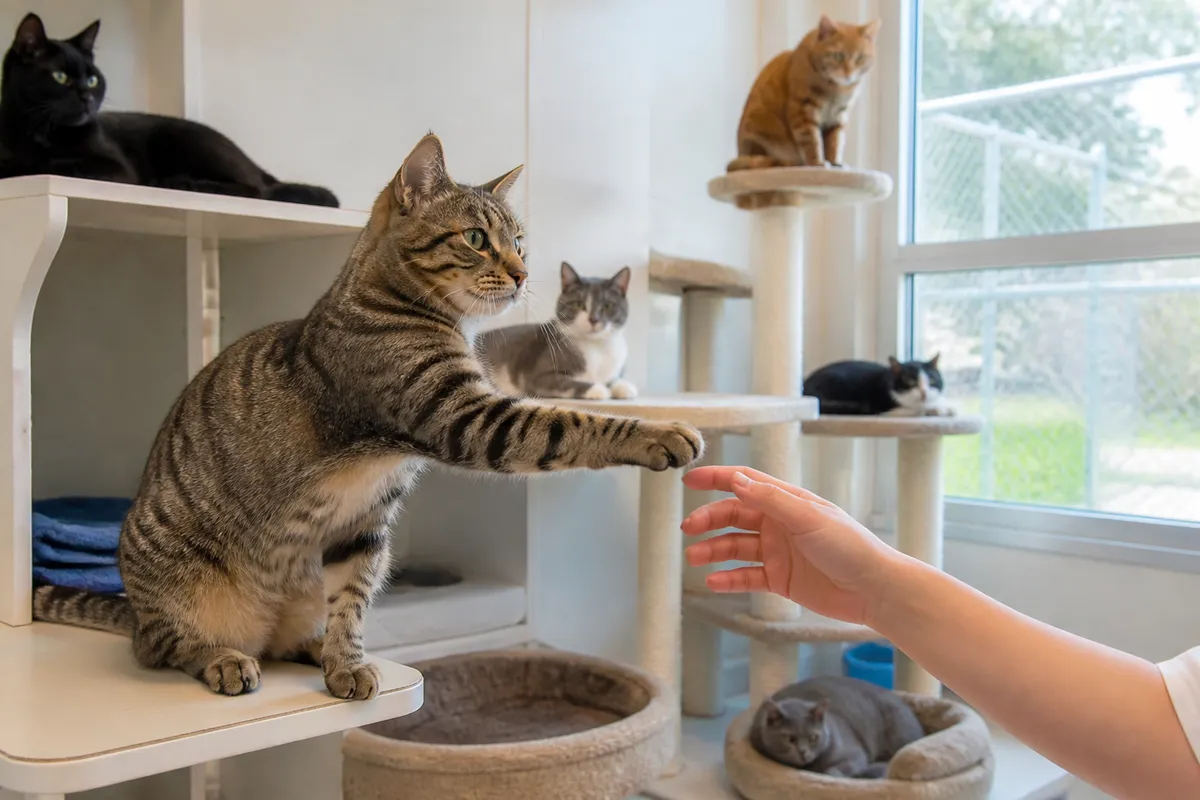
National adoption websites are a good starting point because you can filter by age, sex and location. Humane World for Animals (formerly the Humane Society of the United States) points out that not every shelter or every pet is listed on them, though, so check the websites of your local shelters and rescues directly. Then visit in person: a cat who hides in the back of the cage on a photo may climb into your lap at the shelter.
Do not overlook places you might not think of. Many rescue groups have no building and keep their cats in foster homes, and some pet supply stores host adoption events with local rescues. If you cannot find the right cat right away, your local shelter can often connect you with other groups in the area.
Shelter cats are not damaged goods. The ASPCA reports that most animals entering shelters in 2025 arrived as strays (59 percent), followed by pets surrendered by their owners (30 percent), often because of housing problems or a lack of affordable vet care rather than anything the cat did.
Cat shelters, rescue groups and foster homes compared
Each place works a little differently. None is better than the others; it depends on what kind of cat you are looking for and how much guidance you want.
| Type | How it works | Good to know |
|---|---|---|
| Municipal cat shelters | Run by a city or county, often take in all strays and surrendered pets | Large selection, often busy, adoption may be same-day |
| Private shelters and humane societies | Nonprofits with their own adoption centers | Usually counseling, medical care included in the fee |
| Foster-based rescue groups | Cats live in volunteers' homes until adopted | Fosters can tell you how the cat behaves in a real home |
| Adoption events | Shelters or rescues bring cats to stores or public places | Good for meeting many cats, follow-up happens through the group |
What shelters ask: the cat adoption process
Many shelters have moved away from long questionnaires and home checks. Humane World promotes Adopters Welcome, a conversational approach where staff talk with you about your home and lifestyle to find a good match. Expect questions about other pets, children, your schedule and whether you rent.
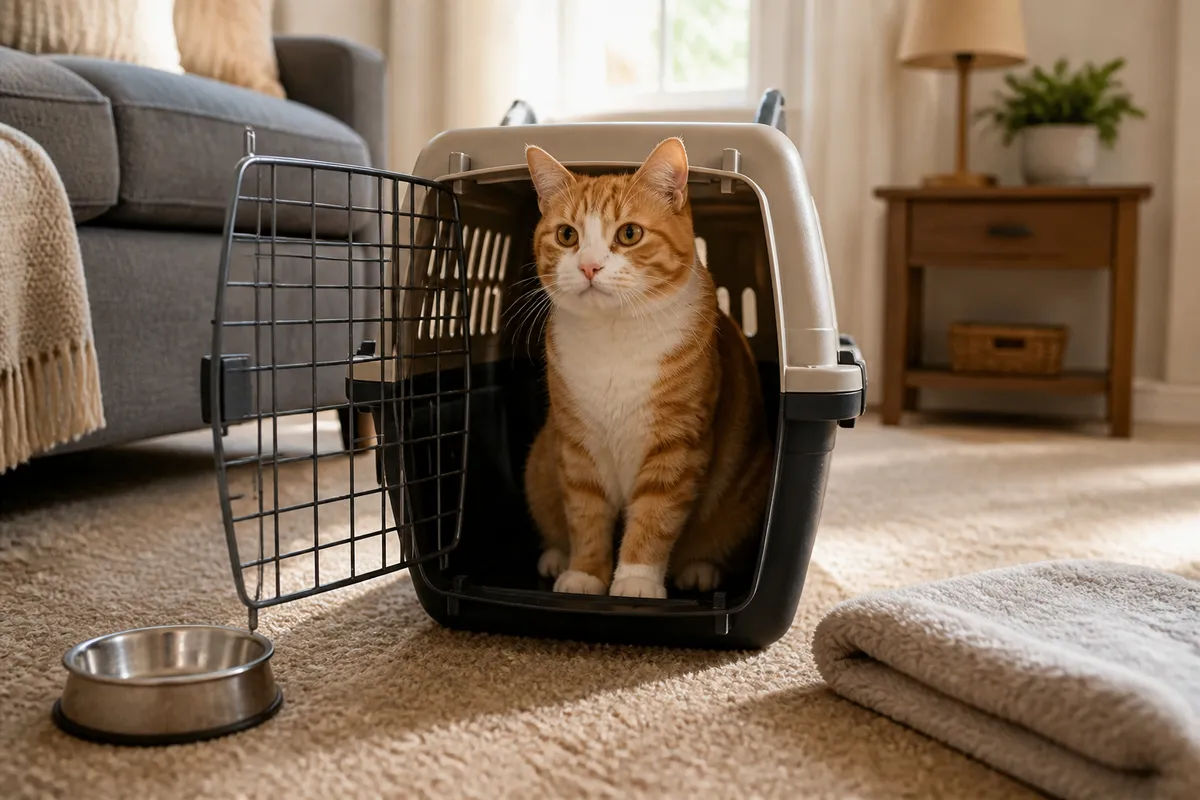
The ASPCA Adoption Center in New York City is a typical example of what to bring. Adopters must be 18 or older and show a valid government-issued photo ID, may be asked for proof of address such as a lease or utility bill, and give the names of other adults in the household. The ASPCA also asks adopters to check their building's pet policy, and every cat goes home in a secure carrier.
- Photo ID and, if you rent, your lease or landlord's pet policy
- A secure cat carrier (many shelters sell one if you forget)
- Information about other pets at home, including vaccination records if the shelter asks
- Questions for staff: how does the cat react to handling, other cats, dogs and children?
- Time: walk-in adoptions can involve a wait of an hour or more on busy days
Adoption fees: what you pay and what is included
Fees vary by shelter and region, and many shelters post them online. The ASPCA Adoption Center in New York City, for example, suggests a $150 adoption fee for all animals and waives it at some events, such as days for senior pets. Ask your local shelter for its current fees before you go.
The fee usually buys a lot. Humane World notes that pets from shelters and rescue groups typically cost less than pets purchased or even acquired for free once you add up the vaccinations, spay or neuter surgery, microchip, flea treatment and dewormer that are often included. Our cat price guide breaks down what a cat costs over the first year.
Fee-waived adoption days are not a sign of lower standards. Best Friends Animal Society reports that a study of fee-waived adoptions by Maddie's Shelter Medicine Program at the University of Florida found strong attachment among adopters and return rates of just 1.8 percent for cats. The cats still go home vaccinated and sterilized, and staff still talk with every adopter.
Kittens for adoption or an adult cat?
Kittens for adoption are easiest to find in spring and summer, when the ASPCA reports adoption numbers are highest. They are irresistible, but their personality is still a surprise, and they need a lot of supervision and play. Our kittens guide explains what the first months involve.
Adult cats are often the smarter choice for first-time owners, busy households and families with small children. Their personality is already known: you can see whether a cat is a lap cat, a talker or an independent type before you sign anything. Senior cats are frequently overlooked and are often calm, affectionate companions.
You may see two cats labeled as a bonded pair. VCA Animal Hospitals explains that shelters keep such pairs together because the cats comfort each other and are more likely to thrive as a team, which also means double the food, litter and vet bills. If you are unsure, our two cats guide helps you decide whether a second cat fits your home.
Free kittens and free cats: why they carry risks
Ads for free kittens and kittens free to a good home are everywhere, from social media to parking lot signs. Some come from well-meaning people with an accidental litter. The trouble is what is usually missing: Best Friends notes that very few pets given away online are spayed or neutered, which keeps the cycle of unplanned litters going. Free kittens rarely come with vaccinations, deworming or a vet check, so those costs land on you right away.
Online ads are also a favorite tool of scammers. The Federal Trade Commission warns that fake sellers post appealing pets, push you to act fast and ask for payment up front, and that only scammers insist on gift cards, payment apps, cryptocurrency or wire transfers. The animal may not even exist.
- Never pay a deposit for a pet you have not seen in person or on a live video call
- Search the seller's name with words like scam, review or complaint
- Ask for vet records and how old the kitten is: kittens should not leave their mother and littermates before about 7 to 8 weeks
- If you want a low-cost cat, ask local shelters about fee-waived adoption events instead
Getting ready for adoption day
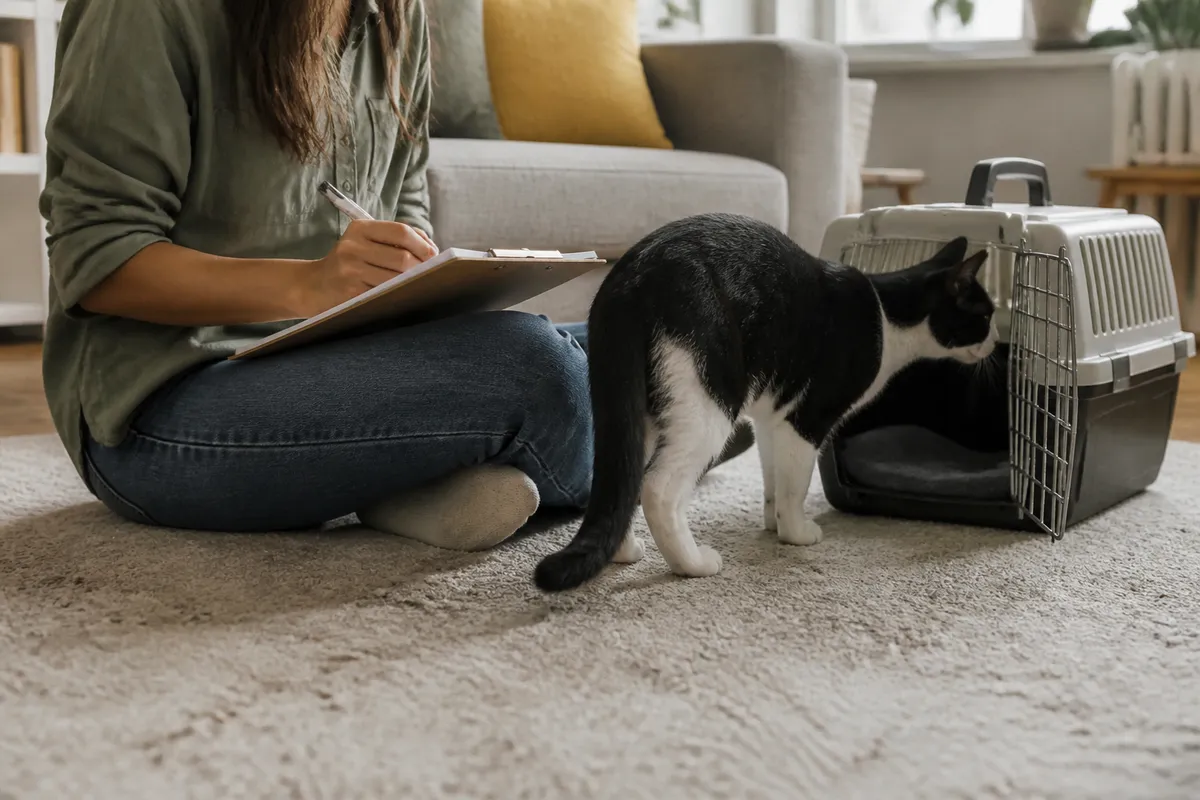
Set up a quiet room before your new cat arrives, with food, water, a litter box, a scratching post, a bed and a place to hide. Our cat supplies guide has the full checklist. Most cats need a few days to a few weeks to relax in a new home, and shy cats may hide under the bed at first. That is normal.
If you already have pets, plan a slow introduction instead of letting them meet at the door. Our guides on how to introduce cats and on dogs and cats explain the steps. And book a vet visit within the first weeks so your own vet gets to know the new family member.
Frequently asked questions
How much does it cost to adopt a cat?
It depends on the shelter. The ASPCA Adoption Center in New York City suggests $150, and many shelters charge less for adult or senior cats or waive fees at events. The fee usually covers vaccinations, spay or neuter surgery and a microchip.
Are there cat shelters that offer free cats?
Yes, many shelters hold fee-waived adoption events, often for adult or senior cats or when they are full. These cats are still vaccinated, sterilized and matched with adopters through the shelter's usual process.
Is it safe to get kittens free to a good home?
It can work out, but free kittens rarely come vaccinated, dewormed or spayed, and online pet ads are common in scams. Meet the kitten in person, ask for vet records, never pay up front and consider a shelter adoption instead.
Can I adopt a cat the same day?
Many shelters allow same-day adoptions. The ASPCA Adoption Center in New York City, for example, only offers same-day adoptions for walk-ins, so come prepared with ID and a carrier. Rescue groups with foster homes often take a few days to arrange a meeting.
Do shelters do home visits before adopting a cat?
Most shelters no longer require home visits for cats. Many use a conversation-based process instead, asking about your home, other pets and lifestyle. Some rescue groups still ask for references or a visit.
Should I adopt a kitten or an adult cat?
Kittens need lots of time, supervision and training, and their adult personality is still unknown. Adult cats are often easier for first-time owners and busy homes because you can see their temperament before adopting.
Sources
- U.S. Animal Shelter Statistics, ASPCA
- ASPCA Adoption Center in NYC, ASPCA
- Adopt Pets From Animal Shelters or Rescues, Humane World for Animals
- Free to a good home: How fee-waived adoptions are saving lives, Best Friends Animal Society
- Getting a pet? Avoid scams, Federal Trade Commission
- Cat Adoption: Bonded Pairs, VCA Animal Hospitals
Last reviewed: November 2026