Cat Dewormer Guide: Signs of Worms, Worm Types and How Deworming Works
Health 7 min read reviewed November 2026, 4 sources
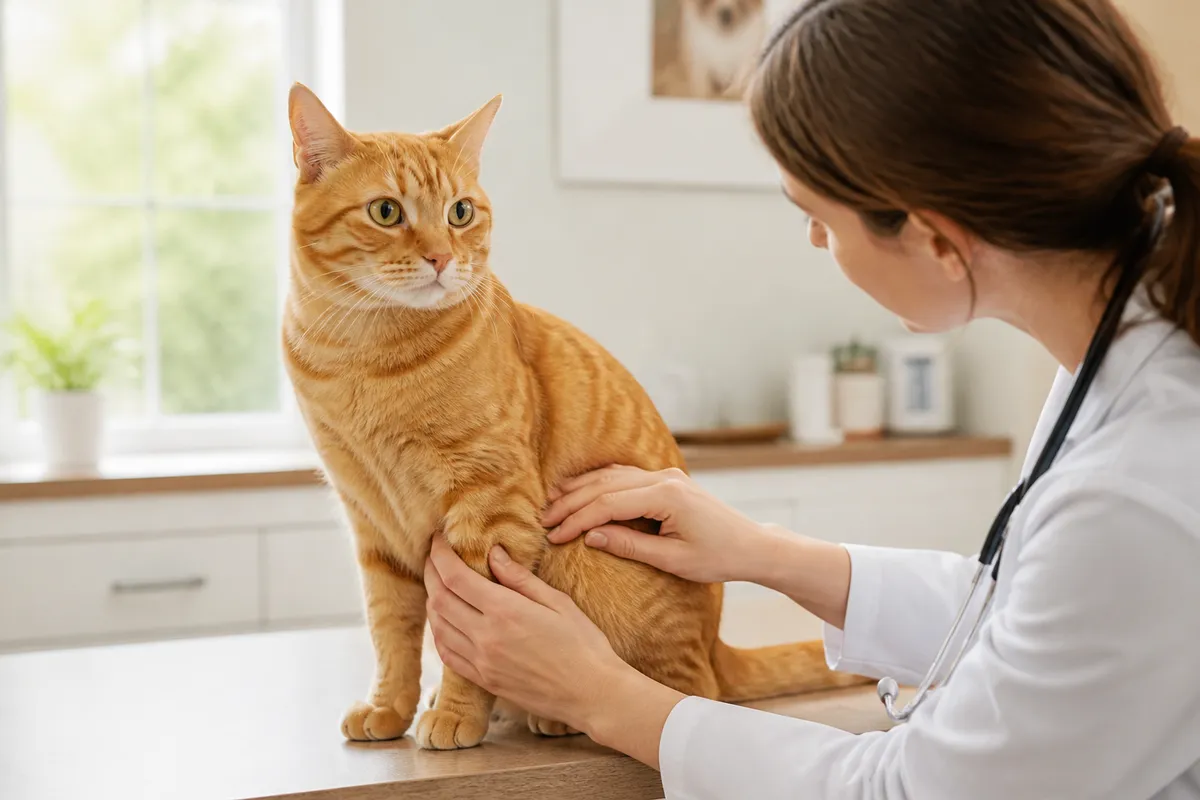
A cat dewormer works only if it targets the right worm, so the first step is a fecal test and a talk with your vet, not a random product from the shelf. Roundworms are the most common intestinal worms in cats, kittens are often born into them through their mother's milk, and tapeworms usually come from swallowing fleas. Here is how to recognize worms in cats, what the main types are, how deworming works and when to see the vet.
Worms in cats: the signs to watch for
Many cats with worms show no signs at all, especially adults with a light infection. That is why vets recommend regular fecal tests even for healthy-looking cats. When signs do appear, they are often vague.
The Cornell Feline Health Center lists a dull coat, vomiting, diarrhea, mucousy or bloody stool, poor appetite, pale gums and a potbelly as general warning signs. Kittens tend to show signs sooner and become sicker faster than adult cats.
Cornell also lists coughing among the possible signs, because some worm larvae travel through the lungs before settling in the intestine. If you notice any of these signs, collect a fresh stool sample in a sealed bag or container and call your vet. Note how long the problem has lasted, what your cat eats, whether it goes outdoors or hunts, and which parasite products it has had. That short history often saves a second visit and helps your vet choose the right test and treatment.
- Worms in vomit or stool (roundworms look like spaghetti, 3 to 5 inches long)
- Rice-like or sesame-like segments near the tail or in bedding (tapeworms)
- Diarrhea, sometimes with mucus or blood; black, tarry stool with hookworms
- Vomiting, weight loss or a poor appetite
- A potbellied look, especially in kittens
- Pale gums, weakness or poor growth (possible anemia)
- Scooting or licking under the tail

The common types of worms in cats
Different worms need different medications, which is the main reason one cat dewormer does not fit all. Here are the parasites US vets see most often, based on Cornell's overview.
| Worm | How cats get it | Typical signs | Risk to people |
|---|---|---|---|
| Roundworms (Toxocara cati, Toxascaris leonina) | Eggs in soil or feces, eating rodents, kittens through infected mother's milk | Potbelly, vomiting, diarrhea, poor growth; may be none | Yes, rare but serious, mainly in young children |
| Hookworms | Larvae swallowed or burrowing through the skin | Diarrhea, weight loss, anemia, dark tarry stool | Larvae can cause an itchy skin rash |
| Tapeworms | Swallowing infected fleas while grooming, eating rodents | Rice-like segments near the tail; rarely serious | Possible but uncommon with good hygiene |
| Whipworms and stomach worms | Uncommon in US cats; eating prey, insects or vomit | Chronic vomiting or weight loss in some cats | Generally no |
Roundworms in cats and why kittens get them
Cornell estimates that roundworms affect 25 to 75 percent of cats, with higher rates in kittens. Adult worms live in the intestine and shed eggs that pass in the stool. Cats pick up eggs from contaminated soil or litter, or swallow larvae when they eat infected mice.
Kittens can also be infected through the milk of an infected mother. The Companion Animal Parasite Council (CAPC) explains that this happens when the mother cat is infected while she is nursing, so nursing queens should be treated at the same time as their litters.
In heavy infections, roundworms can cause a potbelly, poor growth and, rarely, a blockage of the intestine. They also matter for your family: Toxocara eggs in the environment can infect people, most often young children who put dirt in their mouths.
Tapeworms and hookworms: the other usual suspects
Tapeworms are the worms owners most often notice, because segments crawl out near the tail or dry on bedding like sesame seeds. They look alarming, but Cornell notes that tapeworm infections only rarely cause significant disease in cats. The real issue is the source: most cats get tapeworms by swallowing infected fleas while grooming, or by eating infected rodents. Medications work well, yet reinfection is common unless you also control fleas and hunting.
Hookworms are less common in cats than roundworms, and how often they show up varies a lot by region. They are small, attach to the intestinal wall and feed on blood. In kittens, heavy infections can cause life-threatening anemia, so pale gums or weakness in a young kitten needs a vet the same day. Hookworm larvae can also penetrate human skin and cause an itchy rash, another reason to scoop daily and wear gloves when gardening.
Not every gut parasite is a worm. Giardia and coccidia are single-celled organisms that can cause diarrhea, especially in kittens, and a standard dewormer usually does not treat them. That is one more reason the stool test comes first.
How a cat dewormer works
Dewormers are anthelmintics: medicines that kill or paralyze intestinal worms so they pass out with the stool. Each active ingredient covers a specific set of parasites. Some work only on roundworms and hookworms, others only on tapeworms, and combination products cover several.
Dewormers come as tablets, liquids, injections and topical spot-ons. Several monthly flea or heartworm preventives also include ingredients against roundworms and hookworms. Cornell notes that reinfection is common and that some worms need more than one treatment, which is why your vet may schedule repeat doses.
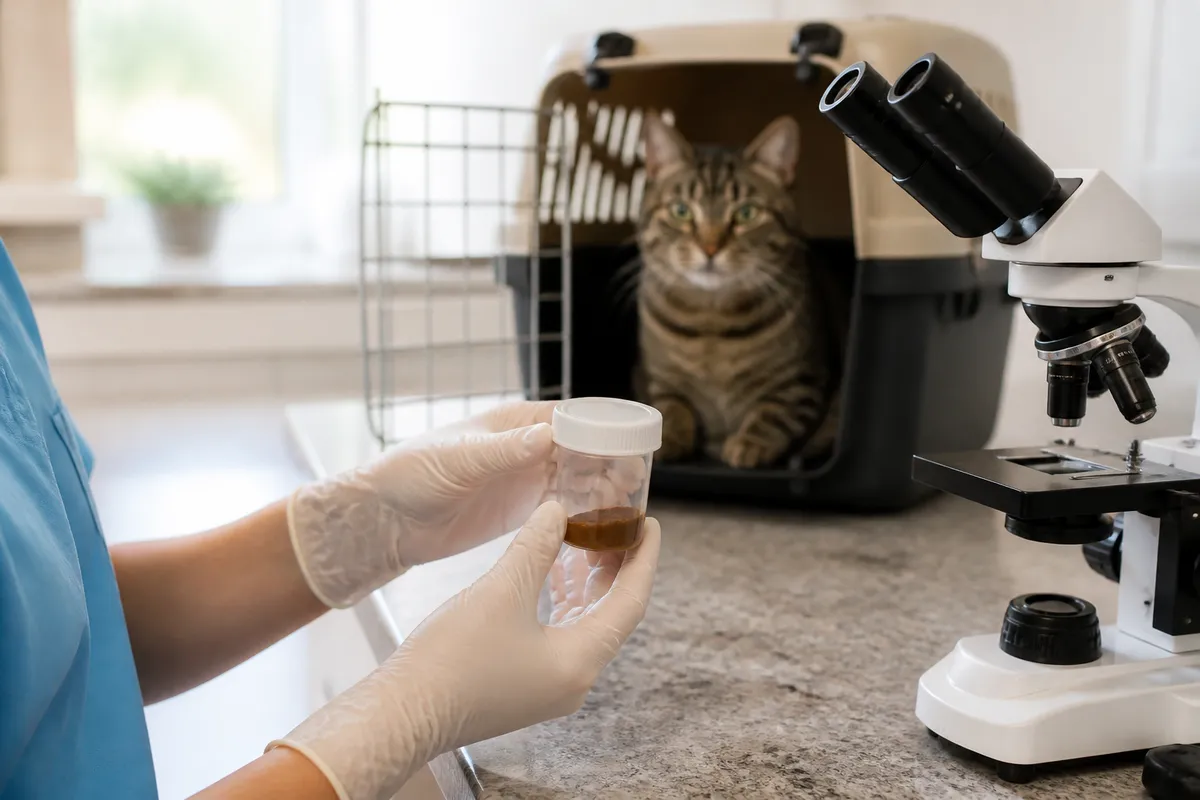
Before treating, your vet will usually run a fecal exam to look for eggs. Tapeworms are the exception: they are often missed on a fecal test, and the diagnosis comes from seeing segments on the cat or in the litter box.
Cat wormer products: what Drontal and Profender are
You will see brand names like Drontal and Profender when you search for a cat wormer. According to the official US labels, Drontal for cats is an over-the-counter tablet labeled for tapeworms, hookworms and large roundworms in cats and kittens that are at least two months old and weigh at least 2 pounds. Profender is a prescription topical solution labeled for hookworms, roundworms and tapeworms in cats and kittens at least 8 weeks old and 2.2 pounds.
Being sold over the counter does not mean a product is right for your cat. Neither covers every parasite, both have age and weight limits, and the label warns about using them in sick or pregnant cats. Your vet chooses the product and the dose based on a weighed cat, the fecal results and any other medicines or preventives your cat already gets.
Never use a dog dewormer for a cat or split a dog product, and do not use human medicines. Dosing by guesswork risks both underdosing, which leaves worms behind, and overdosing.
Kitten dewormer schedule: what vets typically follow
Because kittens are so often infected early, deworming starts young. CAPC recommends starting at 2 weeks of age and repeating every 2 weeks until about 4 to 8 weeks of age, then moving the kitten onto a monthly product that is effective against roundworms. The mother cat should be treated alongside her litter.
If you adopt a kitten, ask the shelter or breeder which products were given and when, and bring that record to your first vet visit. Your vet will check the stool and continue the schedule with a product and dose suited to the kitten's age and weight. Kittens under the age or weight limits on a label need a product chosen specifically for them.
What you can do at home: hygiene and safe steps
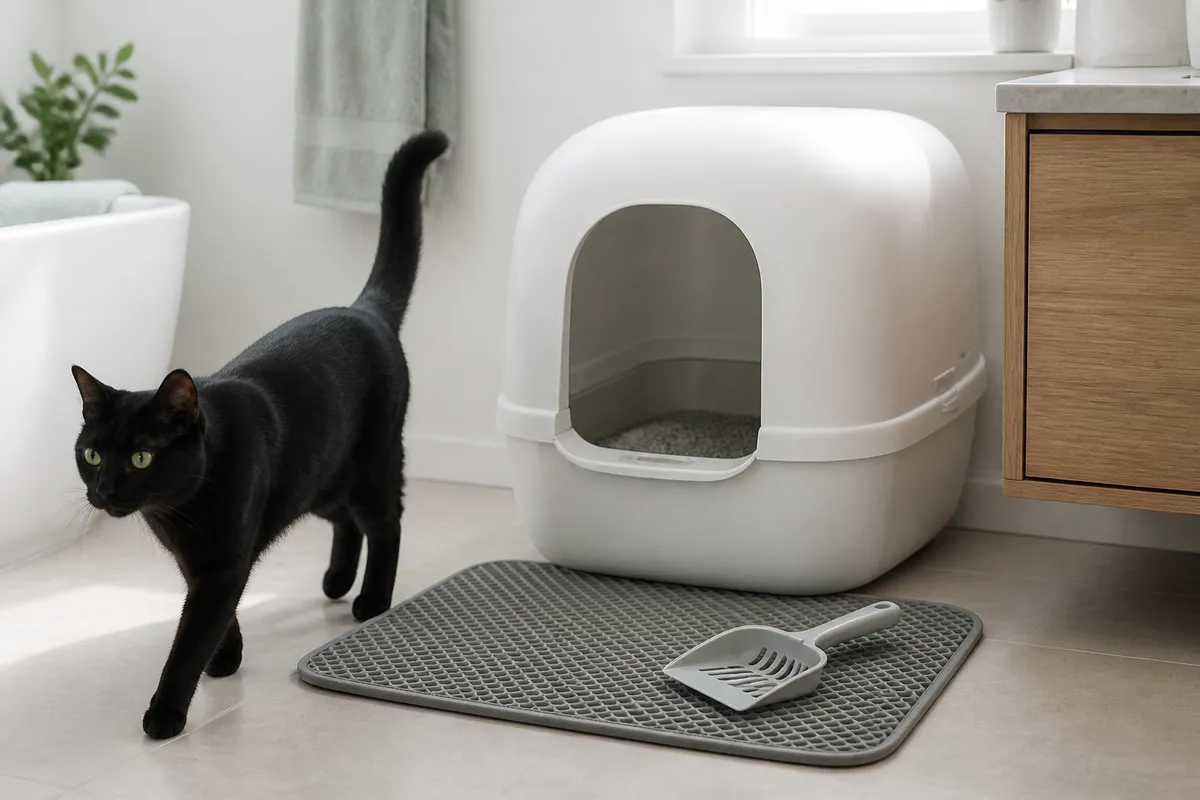
Home care cannot replace a dewormer, but it reduces reinfection and protects your family. Many worms spread through eggs in the stool, so the litter box is your front line.
- Scoop the litter box daily, as Cornell recommends
- Wash the box regularly with hot water and a disinfectant, rinsing well
- Control fleas on every pet, because fleas carry tapeworms
- Keep cats from hunting rodents where possible; indoor cats are less exposed
- Avoid feeding raw meat
- Wash hands after scooping and after gardening, and cover kids' sandboxes
- Bag any worm you find in a sealed container and take it to the vet
How often should adult cats be dewormed?
That depends on lifestyle. An indoor-only cat that never hunts has a lower risk than an outdoor cat that catches mice. CAPC recommends year-round broad-spectrum parasite control for adult cats that covers roundworms, plus fecal tests at least once or twice a year.
Your vet may suggest a monthly preventive that covers several parasites, or periodic deworming timed with fecal checks if monthly prevention is not practical. Tell your vet honestly whether your cat hunts, goes outside, lives with dogs or has fleas, because that changes the plan.
Prevention is mostly routine: regular fecal tests, consistent parasite control, flea prevention and a clean litter box.
Keep a simple record of every dewormer, flea product and fecal test with dates, either on paper or in your phone. It helps your vet avoid gaps and double treatments, and it is gold if you ever move, switch clinics or need a pet sitter to take over.
Frequently asked questions
Can I deworm my cat without going to the vet?
Some cat dewormers are sold over the counter, but they do not cover every parasite and have age and weight limits. A fecal test tells your vet which worm is present, so the right product and dose are used the first time.
What do worms in cat poop look like?
Roundworms look like strands of spaghetti, often 3 to 5 inches long. Tapeworm segments look like grains of rice when fresh and like sesame seeds when dry. Hookworms are too small to see easily.
Can indoor cats get worms?
Yes, though less often. Indoor cats can swallow fleas that carry tapeworms, catch the occasional mouse, or pick up eggs from contaminated soil or another pet's feces. Kittens may already be infected when you adopt them.
Can I get worms from my cat?
Some cat parasites can infect people, especially roundworms and hookworms. Young children are at the highest risk. Scooping the litter daily, washing hands and keeping your cat on a vet-recommended parasite plan lower the risk.
Is it normal to see worms after deworming a cat?
It can be. Dead or paralyzed worms may pass in the stool for a few days after treatment. If you keep seeing live worms, or your cat seems sick, call your vet, because a repeat dose or another product may be needed.
Do kittens need to be dewormed more than once?
Yes. CAPC recommends deworming kittens every 2 weeks starting at 2 weeks of age until about 4 to 8 weeks, then a monthly product effective against roundworms. Your vet will tailor the schedule.
Sources
- Gastrointestinal Parasites of Cats, Cornell Feline Health Center
- Ascarid (Roundworm) Guidelines, Companion Animal Parasite Council
- Drontal (praziquantel, pyrantel pamoate) tablet label, DailyMed, U.S. National Library of Medicine
- Profender (emodepside, praziquantel) topical solution label, DailyMed, U.S. National Library of Medicine
Last reviewed: November 2026
This guide does not replace an exam by a veterinarian. If you are unsure, call your vet.