Bengal Cat: Is This Mini Leopard Right for You?
Cat Breeds 5 min read reviewed November 2026, 5 sources
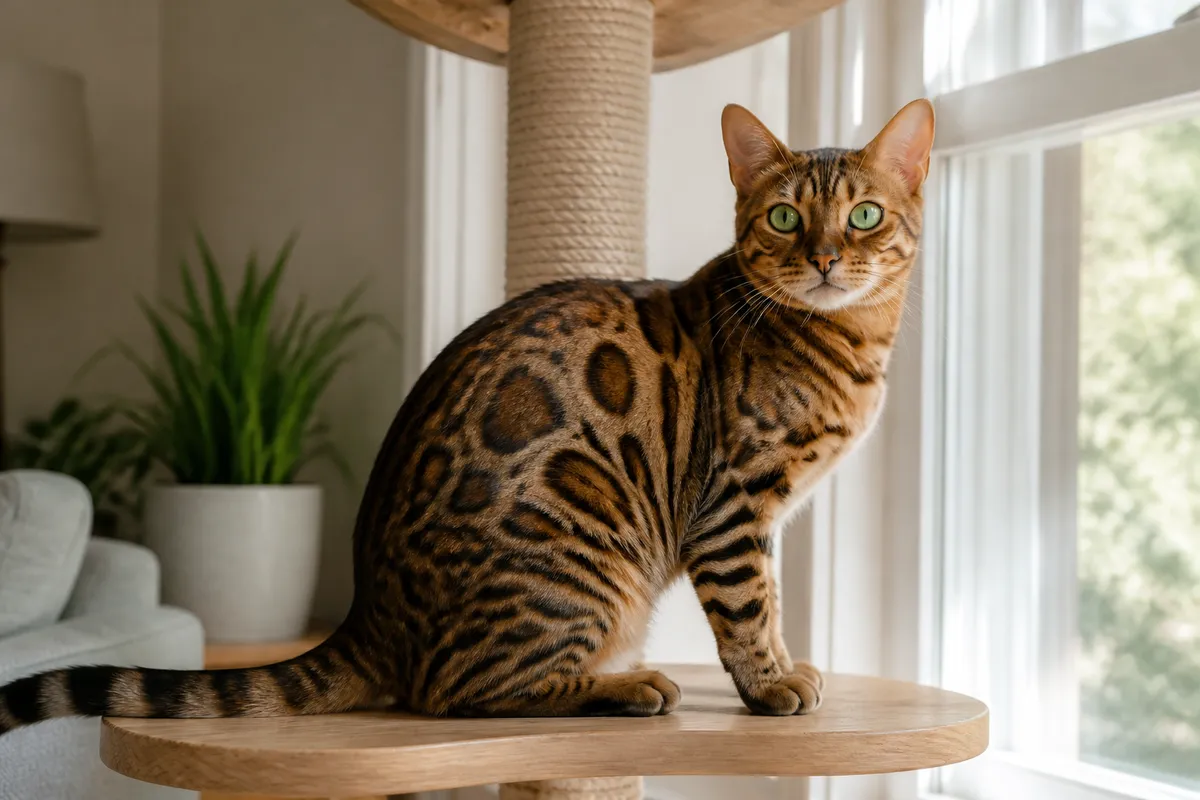
A Bengal cat is a domestic breed with wild-looking spots, descended from crosses with the small Asian leopard cat, and it has the energy to match: athletic, clever, often talkative and endlessly curious. Bengals can be wonderful companions for active, experienced owners, but they're demanding, and some places restrict them, so check local rules and the breeder before you fall for those rosettes.
Where the Bengal comes from
In 1963, Jean Mill crossed a black domestic tomcat with an Asian leopard cat, a small, shy wildcat. Around the same time, Dr. Willard Centerwall bred similar hybrids while studying whether domestic cats could inherit the wild species' resistance to feline leukemia. Mill later used some of his cats, along with spotted domestic cats, to build the breed.
Today's pet Bengals are many generations removed from the wild ancestor. The Cat Fanciers' Association accepted Bengals for registration in 2016, requiring five generations of purely domestic ancestry, and granted championship status in 2018. Early generations (often labeled F1 to F3) are a different animal in temperament and legal status and are not what most families should be looking at.
Bengal energy level: what living with one is really like
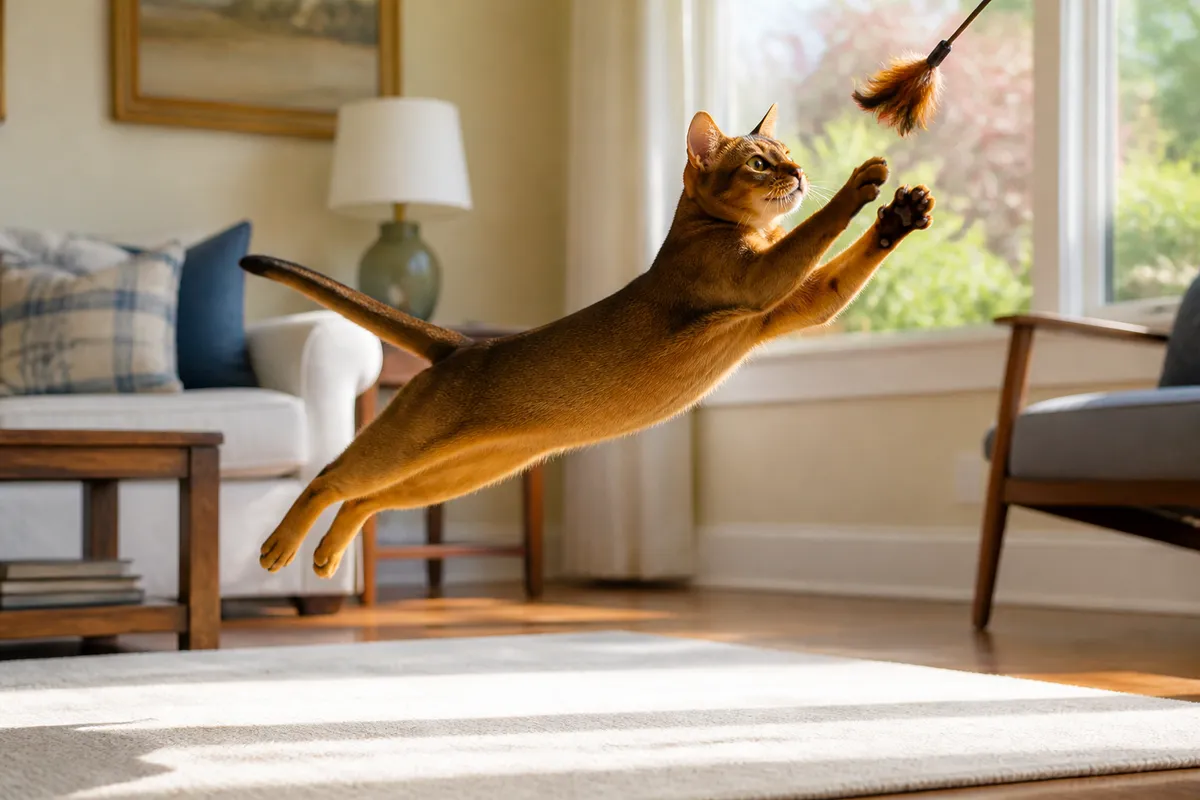
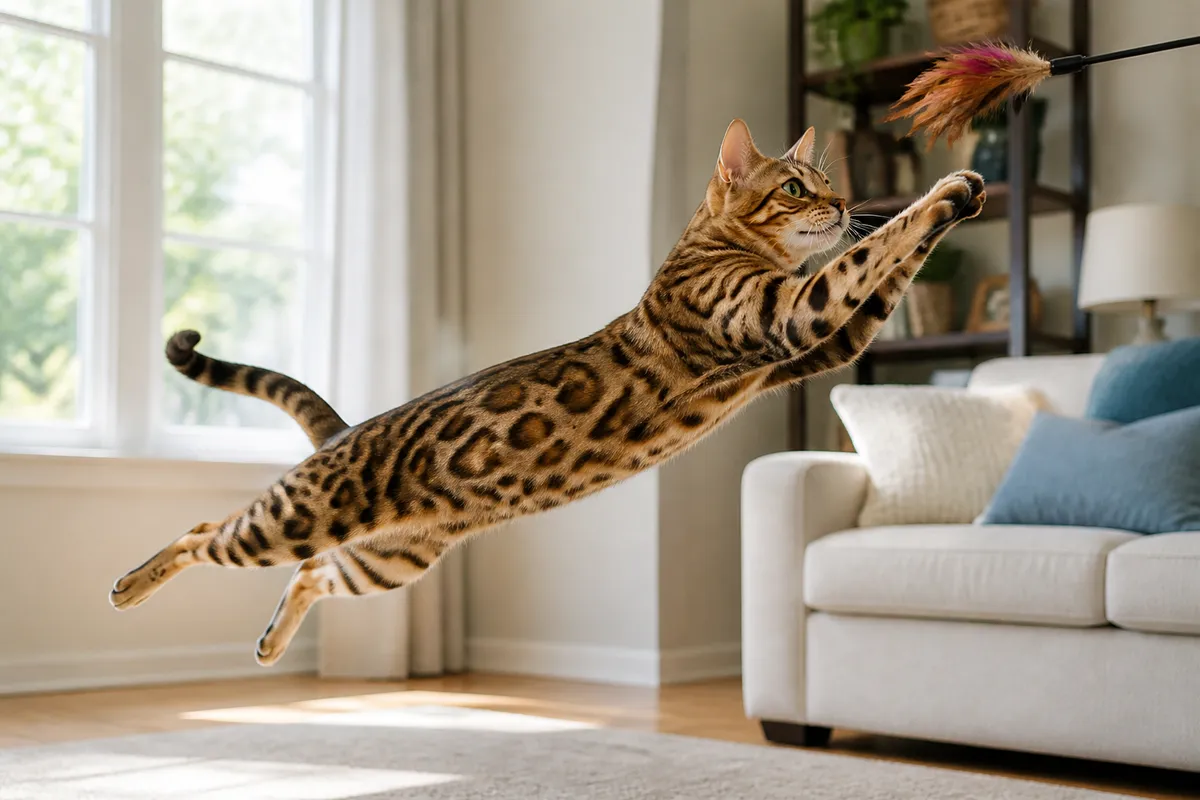
Bengals are confident, athletic and keep kitten-like energy well into their senior years. They're smart enough to learn to open doors and cabinets, and many enjoy water, fetch and walking on a harness. They tend to be vocal and want interaction, and they're usually happier with people around than alone all day.
That makes them a joy for the right household and a handful for the wrong one. A bored Bengal will invent its own entertainment, usually involving your shelves. Plan on daily interactive play, climbing space and puzzle feeders, and consider a cat wheel or a catio for extra exercise.
- Two or more real play sessions a day with wand toys or fetch
- Tall, sturdy cat trees and wall shelves for climbing
- Food puzzles instead of a bowl for at least one meal
- Harness training if you want supervised outdoor time
- A second active cat can help, if introduced properly
Bengal colors: brown, snow, silver and black Bengal cats
The breed comes in two patterns: spotted or rosetted (spots with a dark outline and lighter center, like a leopard) and marbled (swirled markings). Many Bengals have glitter, a sparkle at the hair tips that makes the coat shimmer in sunlight.
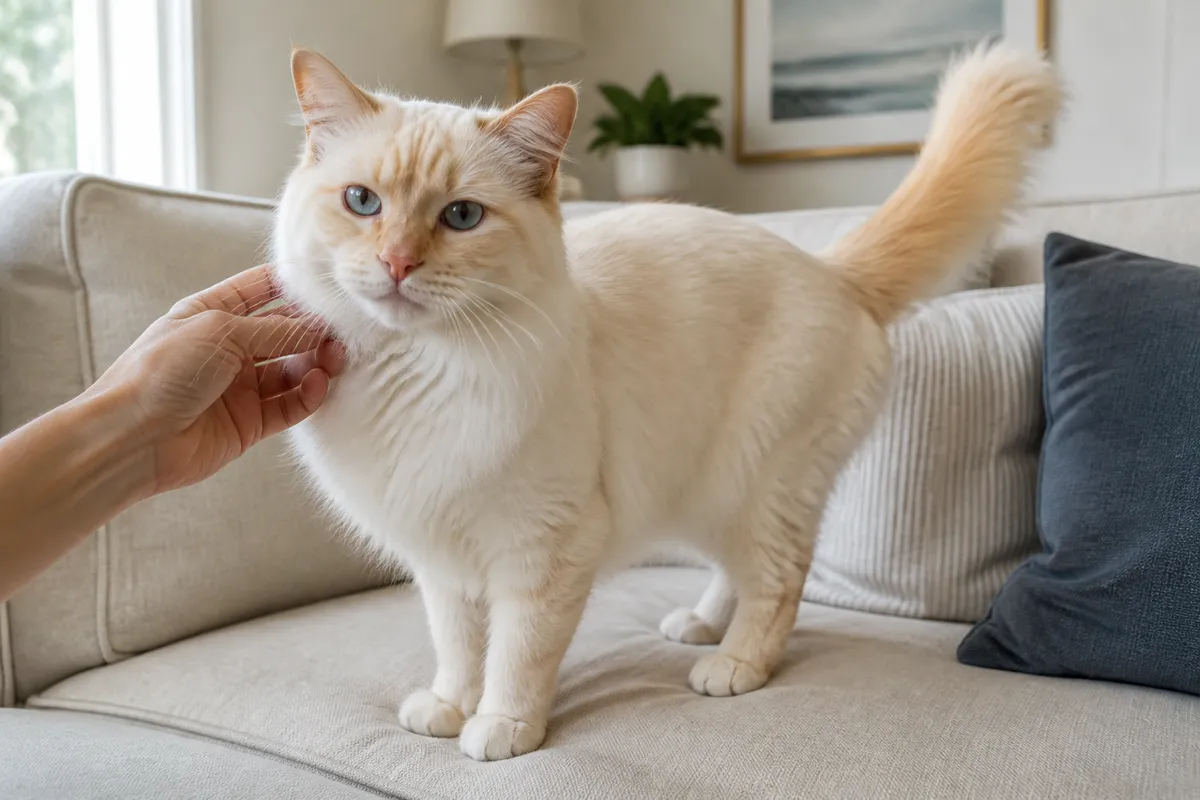
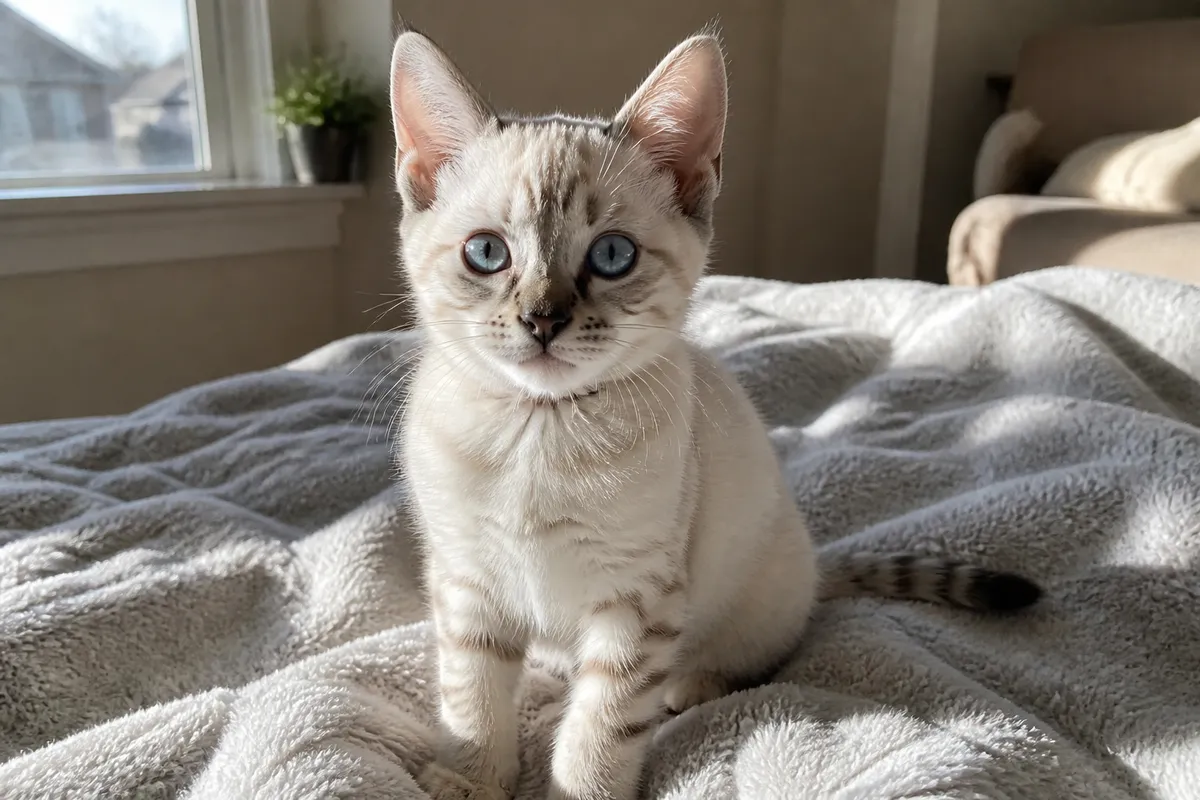
A white Bengal cat is almost always a snow Bengal: a pale coat with faint markings, related to the pointed colors seen in Siamese cats. True solid white Bengals are not a standard color.
| Color group | What it looks like |
|---|---|
| Brown (black) tabby | The classic: warm brown to golden background with black or brown spots or marbling |
| Snow (seal lynx point, seal mink, seal sepia) | Very pale cream to ivory background with softer markings |
| Silver (black, blue or seal silver) | Silvery white background with crisp dark markings |
| Melanistic (black, blue or seal) | Very dark coat where spots show mainly in bright light ("ghost spots") |
| Glitter (any color) | Sparkling hair tips that make the coat shimmer |
Grooming and care
The coat is the easy part. It's short, soft, rarely mats and sheds less than many shorthairs. A weekly brush with a soft-bristled brush is enough, and baths are rarely needed.
The real care work is mental and physical exercise. Bengals mature slowly, up to about two years, and their activity level helps them stay lean, as long as they actually get to use it. Most Bengals do best as indoor cats with a lot to do, plus a catio or supervised outings.
Trim claws every couple of weeks, especially if your Bengal climbs a lot, and keep a few toys out of sight so you can rotate them. A Bengal who has seen the same mouse for a month has already filed a complaint.
Bengal health: inherited problems to ask about
Bengals are generally sturdy, with a typical lifespan of about 12 to 15 years. Responsible breeders test for several heritable conditions.
- Hypertrophic cardiomyopathy (HCM): the most common feline heart disease. It can't be detected with a DNA test in Bengals, so good breeders have their breeding cats scanned by a veterinary cardiologist before the first litter and at regular intervals afterward.
- Progressive retinal atrophy (PRA-b): an inherited, recessive eye disease in Bengals that starts in young kittens and leads to blindness, often by around one year of age. A DNA test exists, so carriers can be bred safely to non-carriers and affected kittens avoided.
- Other DNA tests: veterinary genetics labs offer additional tests for heritable conditions found in the breed, so ask the breeder which panel the parents were tested on and to see the results.
Are Bengal cats legal where you live?
Because the breed descends from a wild species, a few places restrict Bengals. Hawaii's Department of Agriculture lists Bengals among the hybrid cats that are prohibited from entering the state. New York City's health code bans hybrids of wild cats, and several states and cities have their own rules, often based on how many generations separate the cat from the Asian leopard cat.
Rules change and are often enforced locally, so check your state agriculture or wildlife agency and your city or county ordinances before you buy, and ask the breeder for registration papers showing the generation. Landlords and HOAs can also have their own restrictions.
Bengal kittens for sale: price and breeder checks
Bengal prices vary widely and depend on coat quality, color, pet versus breeding rights, the breeder's health testing and your region. Snow and silver kittens and show-quality rosettes are often priced higher. There's no official price, so compare several registered breeders in your area and ask what's included.
Online Bengal scams are common because the breed photographs so well. The CFA warns against breeders who list many kittens at once, sell kittens at six to eight weeks, demand large nonrefundable deposits or push shipping instead of pickup. Kittens should go home at 12 weeks at the very least, and the CFA prefers 16.
- Registration papers showing the kitten is a domestic generation, not an early hybrid
- Echocardiogram results for the parents, plus DNA results for PRA-b and any other tests the breeder runs
- A written contract, health guarantee and vaccination records
- A visit or live video call with the kitten and its mother
- Payment by a traceable method; never gift cards or wire transfers
Who a Bengal suits, and who should skip it
A Bengal suits active, experienced cat people who enjoy training, play and a chatty companion, and homes where someone is around a good part of the day. Families with older, cat-savvy kids often do well.
Skip it if you want a calm lap cat, are away for long workdays with no other pet for company, have fragile decor you'd like to keep, or live somewhere with hybrid restrictions. Bengals also turn up in breed rescues, often surrendered by owners who underestimated their energy, which is worth knowing before and instead of buying.
Frequently asked questions
How much does a Bengal cat cost?
Prices vary a lot by breeder, region, color and whether you buy a pet or breeding cat, and there's no official figure. Health testing, vet care and socialization are part of what you pay for. Very cheap Bengal kittens online are a common scam pattern.
What is a snow Bengal?
A snow Bengal has a very pale cream to ivory coat with softer markings. Snow colors come in three types, seal lynx point, seal mink and seal sepia, which differ in shade and eye color.
Do black Bengal cats exist?
Yes. Melanistic Bengals are black, blue or seal-based, and their spots are often visible only in bright light, which owners call ghost spots.
Are Bengal cats good pets?
For active owners who enjoy play and training, yes. They're affectionate in their own way, often get along with kids and other pets when introduced properly, but they're not lap cats and get bored easily.
Are Bengals illegal in some states?
Some places restrict them. Hawaii prohibits Bengals as hybrid cats, and New York City bans wild cat hybrids. Other states and cities regulate early generations, so check local laws before buying.
Do Bengal cats shed?
Less than many shorthairs. Their soft coat rarely mats and needs only a weekly brush.
Sources
- Bengal breed profile, Cat Fanciers' Association
- Bengal, VCA Animal Hospitals
- Characterization of an Early-Onset, Autosomal Recessive, Progressive Retinal Degeneration in Bengal Cats, Investigative Ophthalmology & Visual Science via PubMed Central
- Animal Quarantine Information Page, Hawaii Department of Agriculture and Biosecurity
- Could This Kitten Be A Scam?, Cat Fanciers' Association
Last reviewed: November 2026