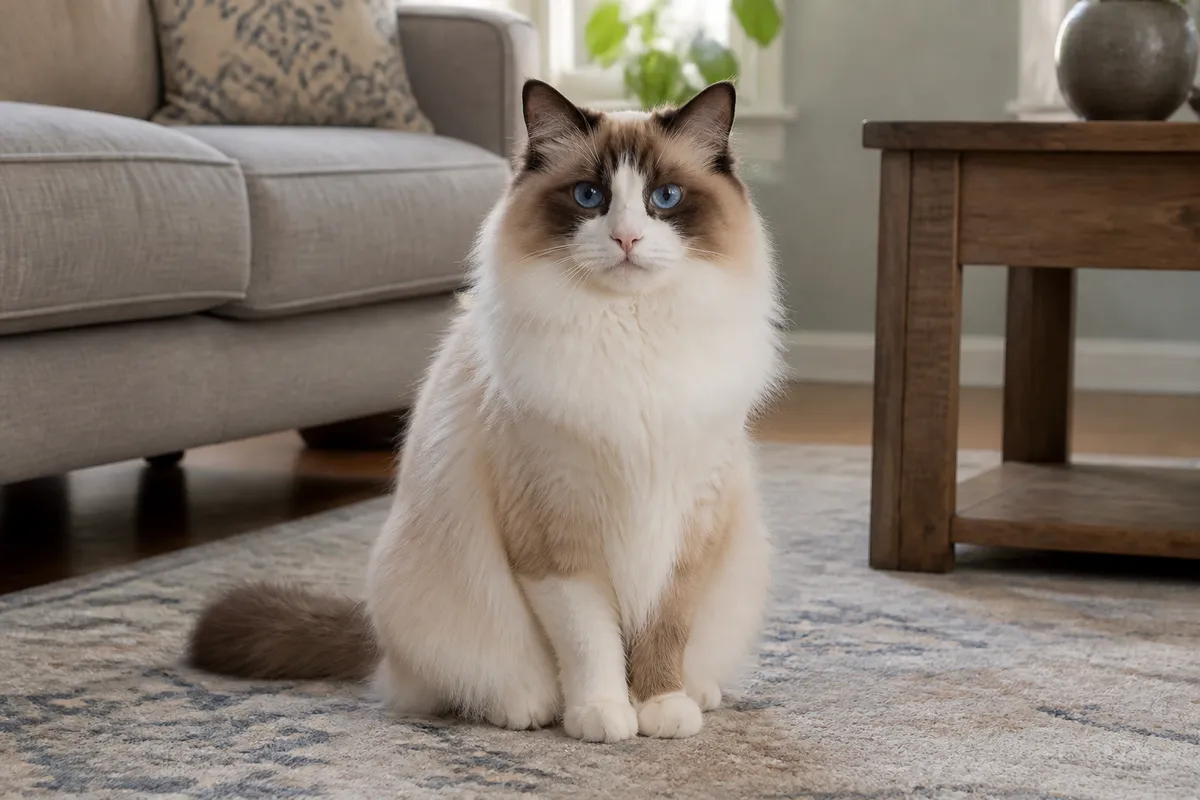
Abyssinian Cat: Ticked Coat, Big Energy and Apartment Reality Check
Cat Breeds 5 min read reviewed November 2026, 6 sources
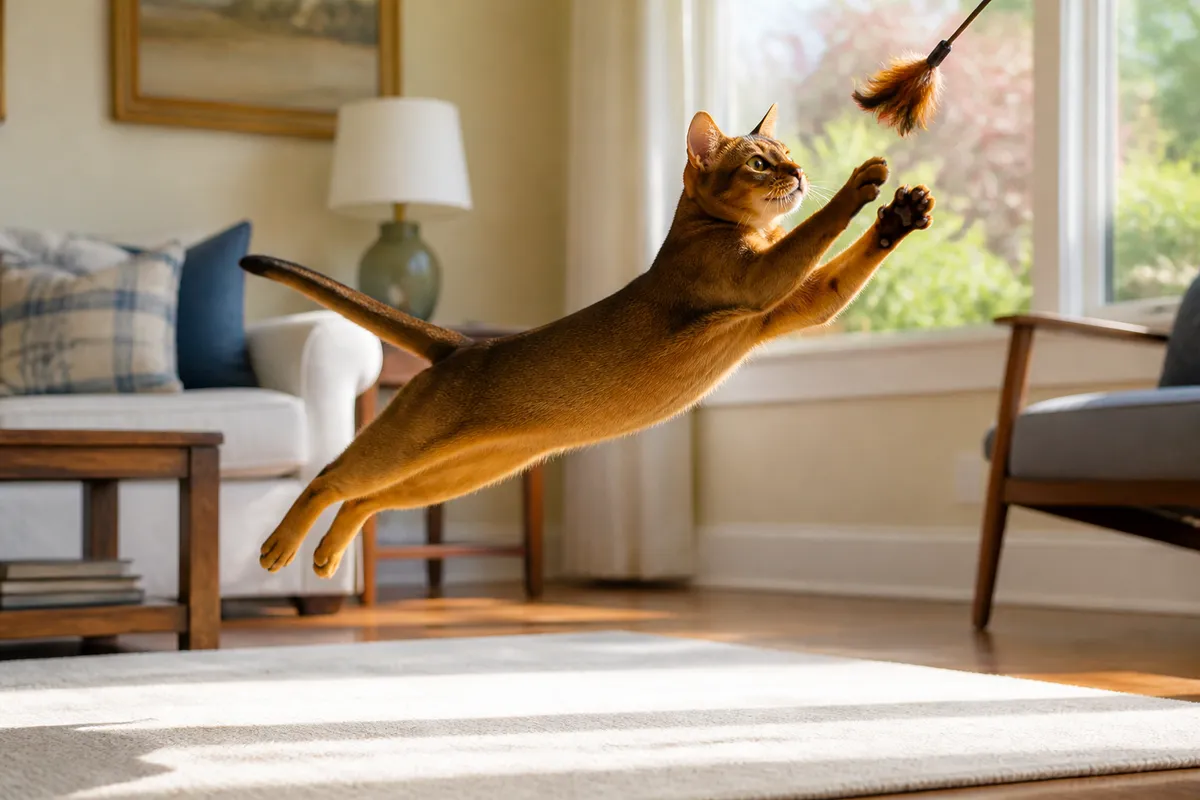
The Abyssinian cat is a sleek, medium-sized shorthair with a warm ticked coat that looks like a tiny cougar, and the energy to match. It's curious, social and almost never sits still, so it can live happily in an apartment only if you build it a jungle gym and play with it every day.
Where the Abyssinian comes from
The name points to Abyssinia, the old name for Ethiopia, because the first Abys shown in England were said to come from there. VCA recounts that a British soldier brought a kitten named Zula home from the Abyssinian War in 1868, and the CFA notes that a cat named Zula was shown at the Crystal Palace show in 1871.
The romantic idea that Abys descend from the cats in ancient Egyptian tomb paintings is just that, an idea. According to the CFA, genetic research points to the breed originating in coastal areas of the Indian Ocean and Southeast Asia, with cats likely carried to England by returning soldiers.
Abys reached the United States in the early 1900s and were among the original breeds the CFA registered in 1906. They've stayed among the most popular shorthair breeds ever since.
Looks: the ticked coat and the tiptoe stance
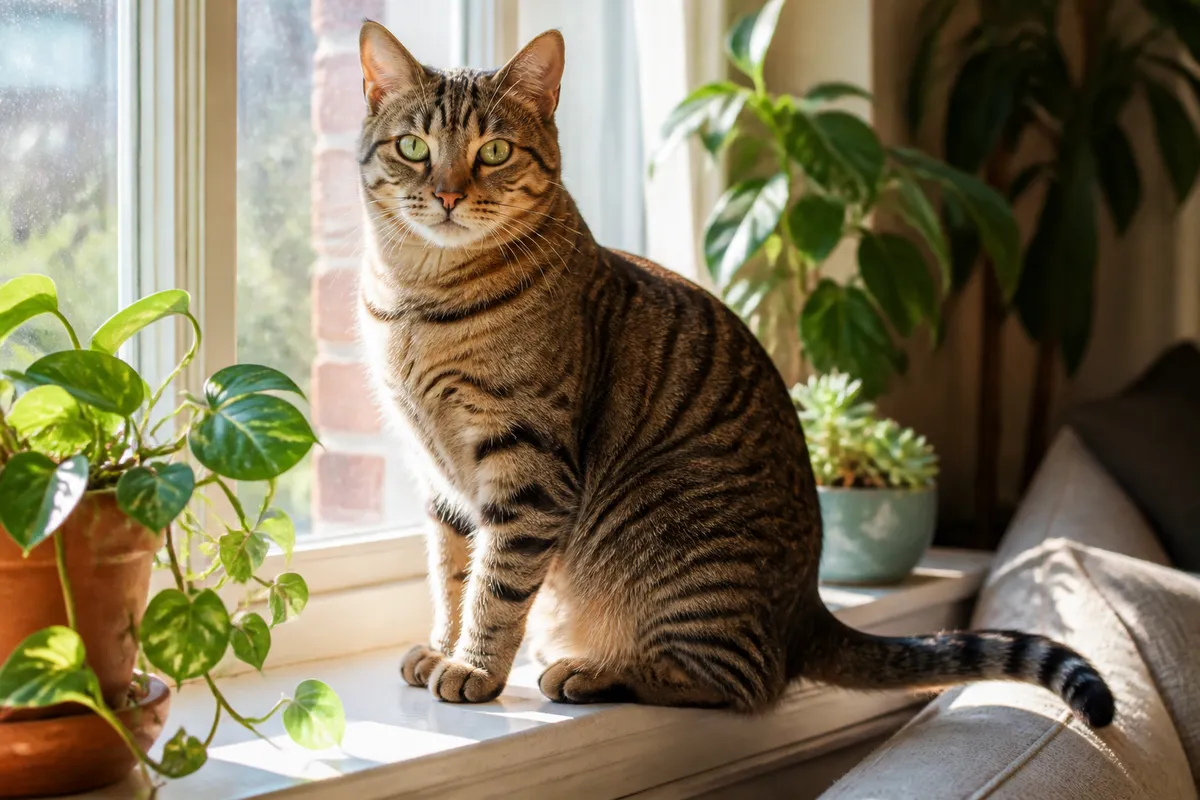
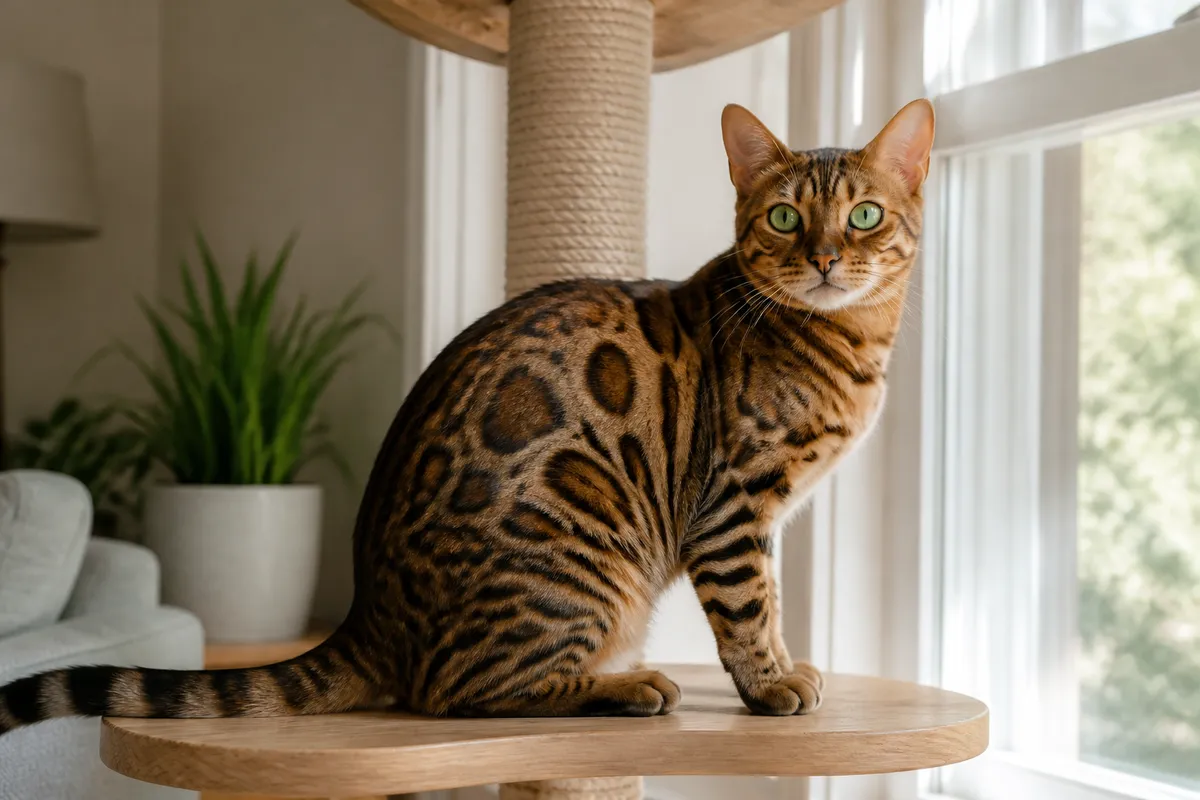
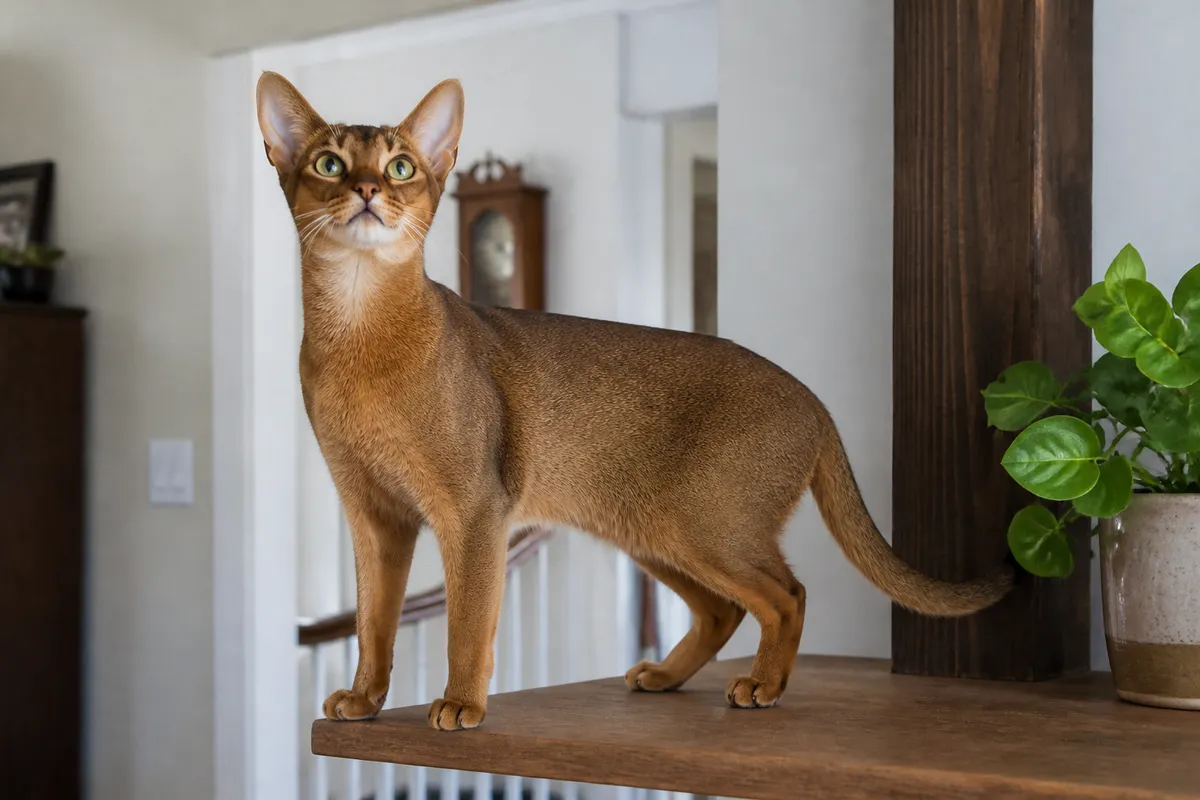
Each hair of an Abyssinian's coat is banded with several shades, a pattern called ticking (technically a form of tabby, minus the stripes on the body). The CFA standard asks for two or three dark bands per hair, which gives the coat its shimmering, wild look.
The body is lithe and muscular with long legs, an arched neck, large cupped ears and almond eyes in gold or green. Abys stand high on their feet, as if on tiptoe. VCA lists a typical weight of about 8 to 10 pounds.
| Trait | Details |
|---|---|
| Origin | Likely Indian Ocean coast and Southeast Asia; developed in England |
| CFA registration | 1906, one of the original breeds |
| Weight | About 8 to 10 pounds |
| Lifespan | About 12 to 15 years |
| CFA colors | Ruddy (most popular), cinnamon, blue, fawn |
| Eyes | Gold or green |
| Energy | Very high |
| Grooming | Brushing about once a week to a few times a month |
Abyssinian personality: curious, busy and social
CFA calls Abys sociable, inquisitive, intelligent and very active. They're affectionate but rarely stay in a lap for long, and they communicate more with body language than with meows. VCA adds that they learn by watching people, enjoy tricks and get bored easily.
An Aby wants to be where the action is: on top of the fridge, inside the grocery bag, helping you type. VCA notes they can leap about six feet, so nothing in your home is truly out of reach.
They don't like being alone for long. CFA suggests that quieter homes may want two, and a second playful cat is often the single best enrichment you can buy.
- Loves heights and climbing
- Plays fetch and learns tricks with clicker training
- Gets along well with friendly dogs and respectful kids
- Can enjoy supervised outings on a harness
Is an Abyssinian a good apartment cat?
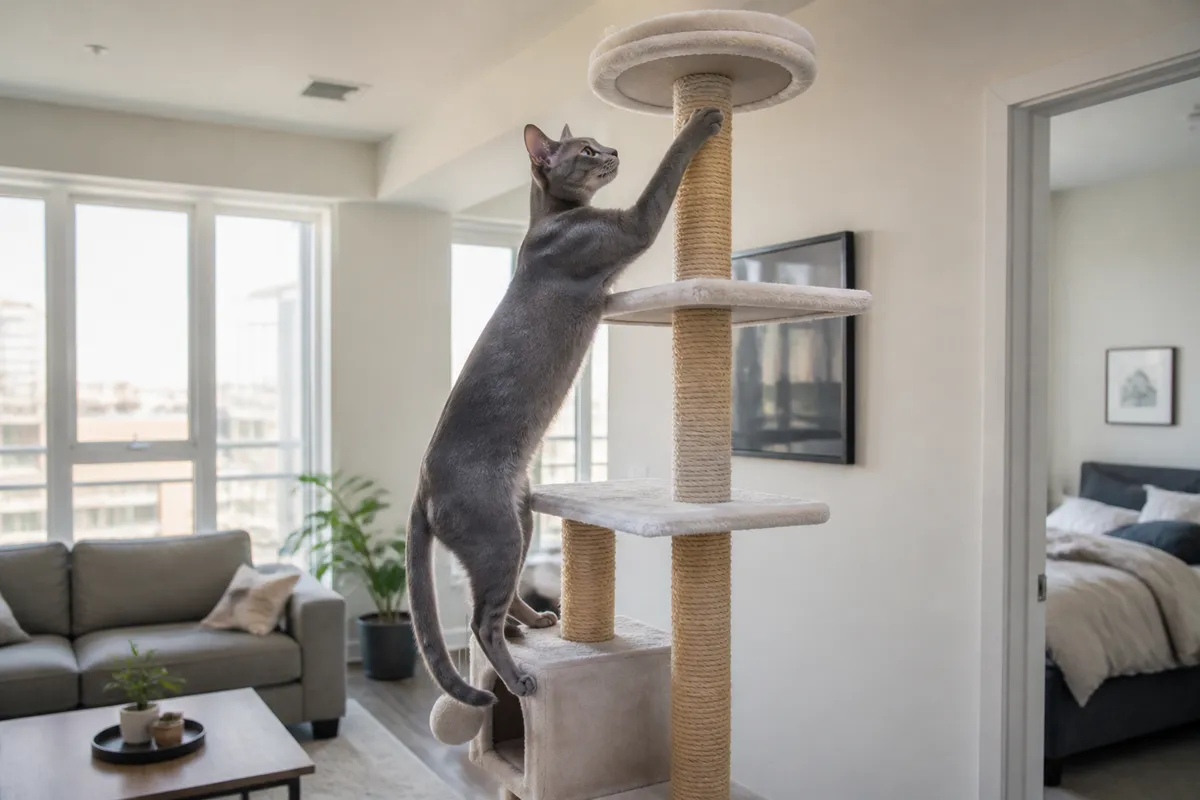
Yes, if you think vertically. An Aby doesn't need a big floor plan, it needs territory up high and things to do. Size matters less than structure.
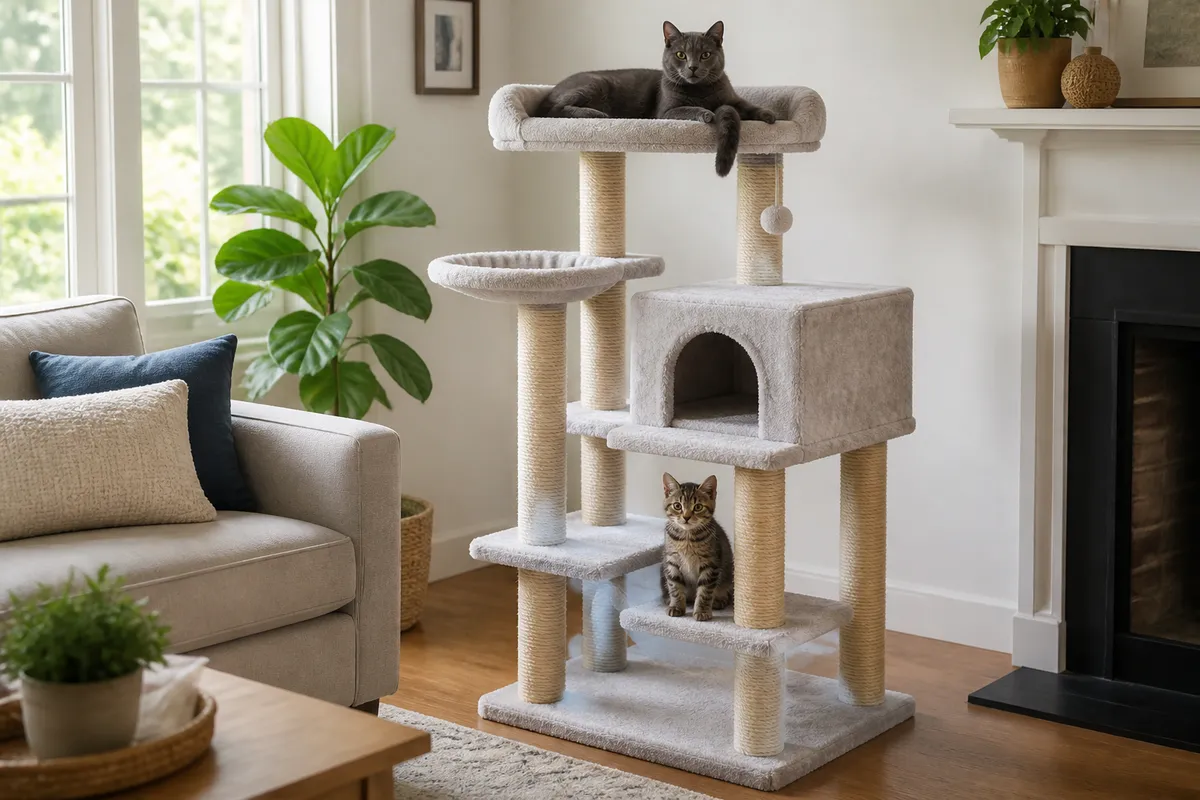
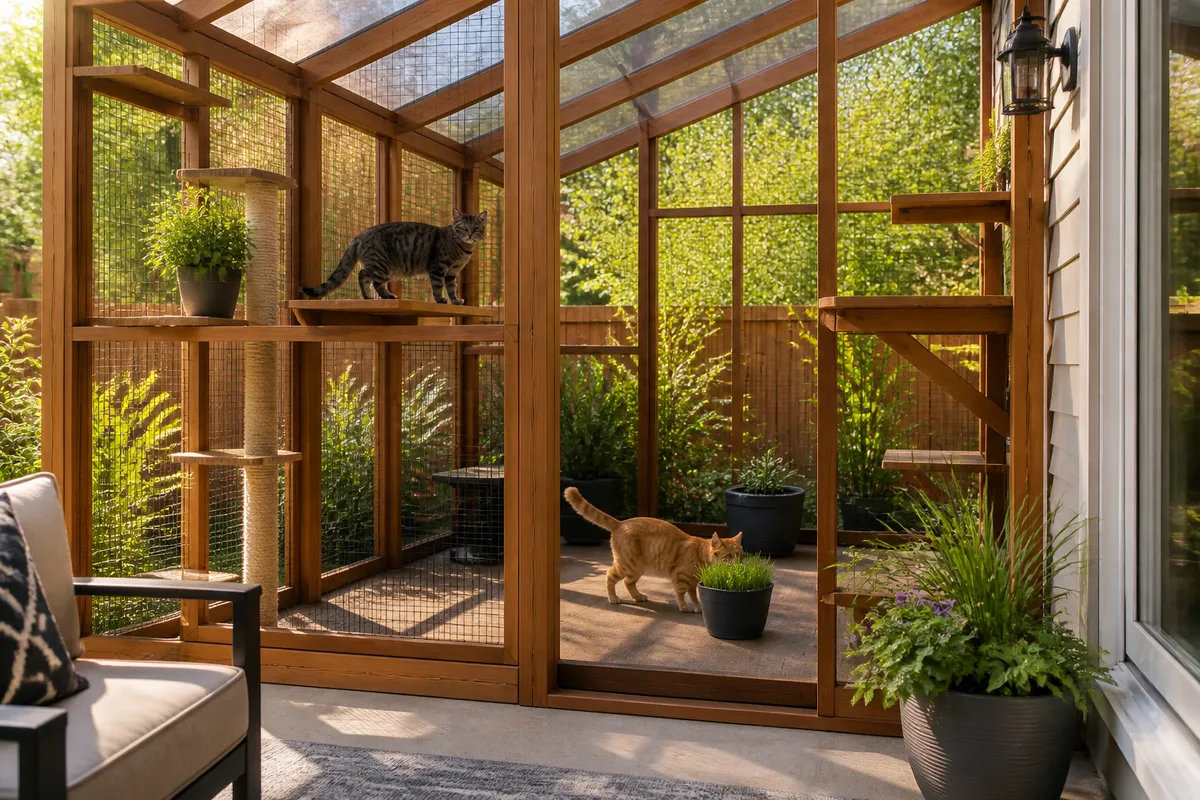
Plan for a tall, sturdy cat tree or wall shelves, a window perch, puzzle feeders and two or three short, intense play sessions a day with a wand toy. Rotate toys so they stay interesting. A catio or window box gives safe outdoor time without the risks of roaming.
If you're out ten hours a day and want a calm cat waiting by the door, an Aby will be frustrated, and frustrated Abys get creative with your houseplants.
Grooming and daily care
The short, dense coat is easy. CFA suggests combing or brushing a few times a month to control shedding (VCA says once a week), and a rub with a chamois cloth adds shine. Baths are usually unnecessary.
Teeth deserve more attention. CFA notes that some breeders teach owners to brush their Aby's teeth to help prevent gingivitis and other dental problems, and that's a good habit to start early with a cat-safe toothpaste. Add regular nail trims and weight checks, and you're covered.
Abyssinian health: inherited conditions to know
Like many pedigreed breeds, Abys have a few known inherited problems. Responsible breeders test for what can be tested and are open about the rest.
Pyruvate kinase (PK) deficiency: Cornell explains that Abyssinians and Somalis can carry a genetic defect that causes a cyclic anemia, where red blood cells break down. CFA says breeders now use genetic testing to remove carriers of the disease that once caused anemia in the breed.
Progressive retinal atrophy (PRA): VCA notes that the Abyssinian is one of the breeds where PRA is known to be inherited, with a late-onset form usually detected between two and five years of age and an early retinal dysplasia form in kittens. DNA testing for the affected genes is available.
Renal amyloidosis: a familial form that mainly affects the kidneys has been described in Abyssinians, with abnormal protein deposits leading to kidney failure, sometimes in young cats. Research suggests it isn't caused by one simple gene, so there's no single test. Ask breeders about kidney problems in their lines.
- Ask for PK deficiency and PRA test results for both parents
- Ask whether any related cats died young of kidney disease
- Get a written health guarantee
- Plan regular vet checkups with blood and urine tests as your cat ages
Finding an Abyssinian
Look for a breeder who lets you visit, shows you at least one parent, and asks you as many questions as you ask them. The CFA's buying guide also recommends asking about the health guarantee and return policy and notes that reputable breeders don't sell through pet stores.
Adult Abys sometimes need new homes through breed clubs or rescues. An adult with a known personality can be a great choice if you're unsure about the kitten-level chaos.
- Red flag: kittens offered younger than 8 weeks
- Red flag: no health test results, or vague answers about them
- Red flag: you can't see where the kittens are raised
- Good sign: a written contract, a spay or neuter agreement and a return policy
- Good sign: the breeder stays in touch and wants updates
Who the Abyssinian suits, and who it doesn't
An Aby is perfect for active people who want an interactive, clever companion, households with another playful pet, and owners who enjoy training and enrichment.
It's a poor match if you want a lap cat, if you're rarely home, or if you prize a spotless, untouched home. The Aby will touch everything. That's the job description.
Frequently asked questions
Are Abyssinian cats affectionate?
Yes, but in an active way. Abys love being near their people and joining in, but they rarely stay in a lap for long. Expect a cat that follows you around rather than one that naps on you.
Do Abyssinian cats shed?
They shed lightly to moderately. A brush or comb about once a week to a few times a month keeps loose hair under control.
Are Abyssinians good for first-time owners?
They can be, if you're ready for a high-energy cat. Daily play, climbing space and puzzle toys are not optional with this breed.
How long do Abyssinian cats live?
VCA gives a typical lifespan of about 12 to 15 years. Choosing a kitten from health-tested parents and keeping up with vet checkups gives your cat the best odds.
Is an Abyssinian a tabby?
Technically yes. The ticked coat is a tabby pattern where each hair is banded and the body shows little or no striping, though faint markings can appear on the face, legs and tail.
Should I get two Abyssinians?
Often it's a good idea. Abys don't like being alone for long, and CFA suggests quieter homes may want two so the cats can keep each other busy.
Sources
- Abyssinian breed profile, The Cat Fanciers' Association
- Abyssinian, VCA Animal Hospitals
- Anemia, Cornell Feline Health Center
- Progressive Retinal Atrophy in Cats, VCA Animal Hospitals
- Multi-omic analyses in Abyssinian cats with primary renal amyloid deposits, Scientific Reports (via PubMed Central)
- Patterns in the Domesticated Cat: Tabby Patterns, The Cat Fanciers' Association
Last reviewed: November 2026