Clumping Cat Litter: Bentonite, Plant-Based and When to Go Non-Clumping
Gear Guides 6 min read reviewed November 2026, 3 sources
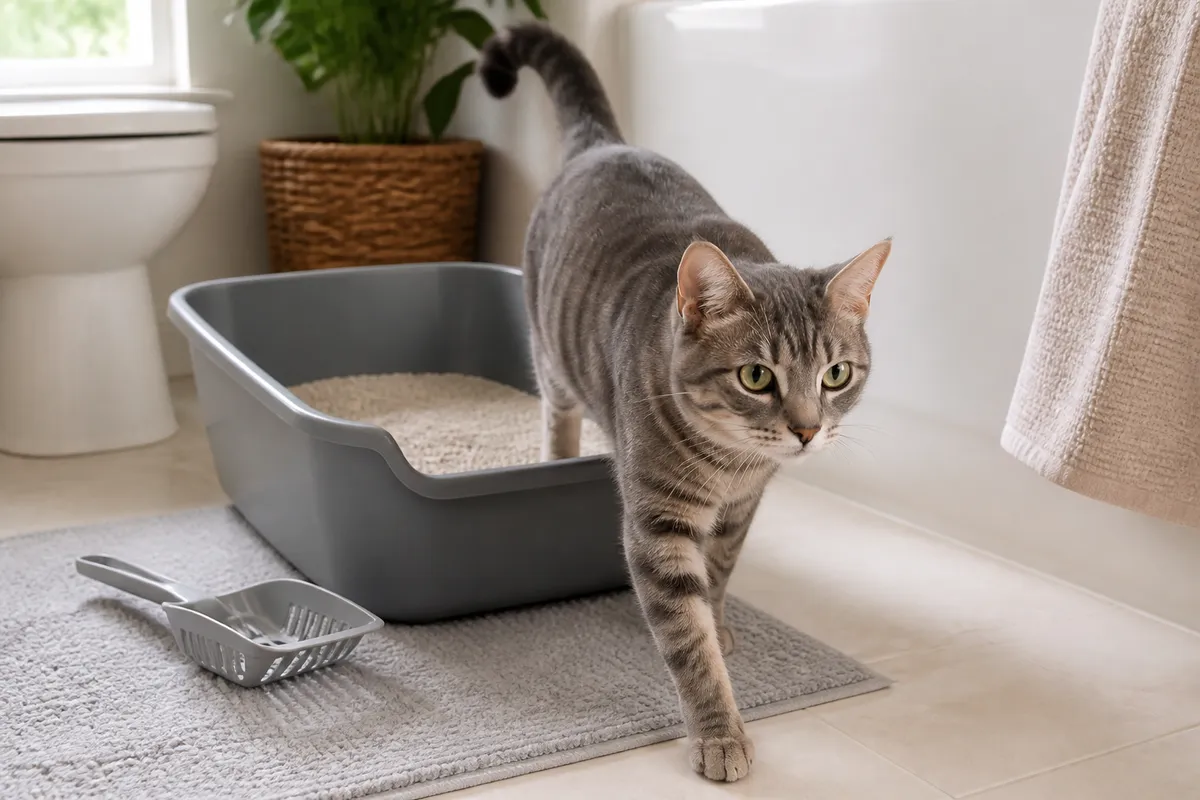
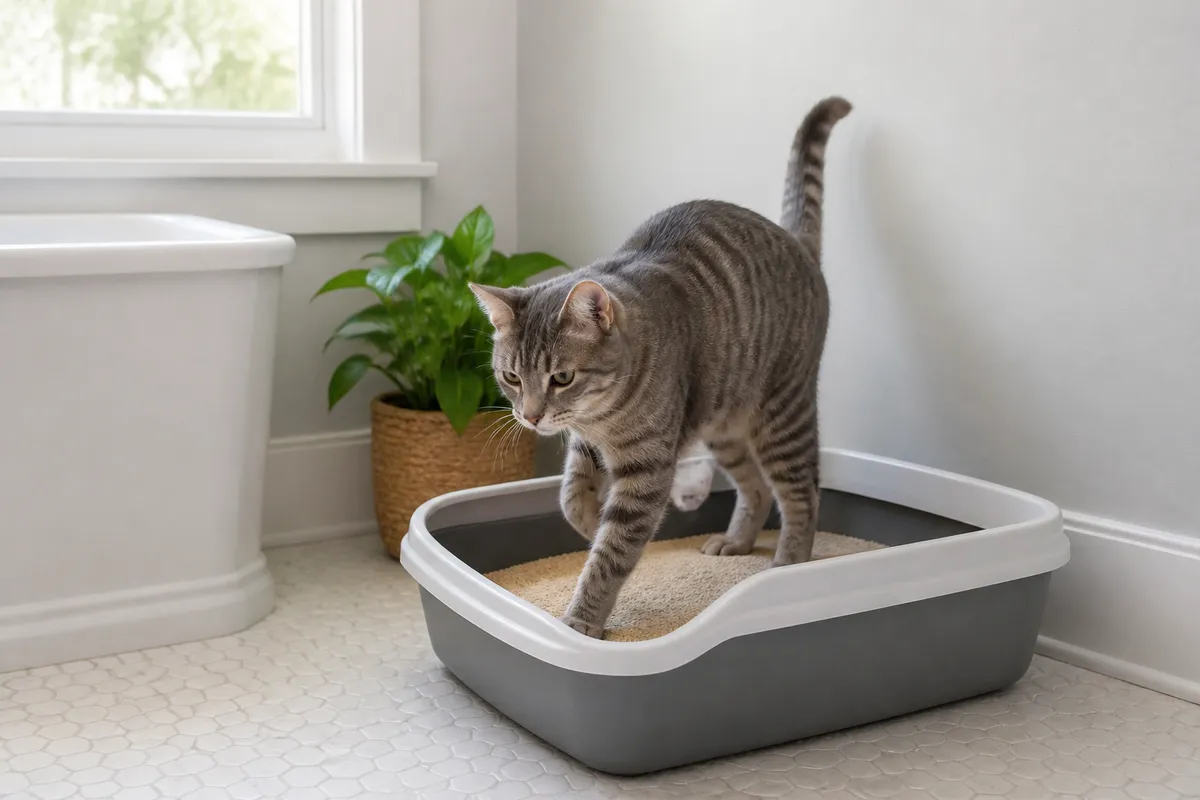
Clumping cat litter binds urine into firm lumps you can scoop out, so the rest of the box stays clean longer, and the AAFP notes that most cats prefer soft, unscented clumping litter. The classic version is bentonite clay; plant-based clumping litters made from corn, wheat, tofu or pine are alternatives, and young kittens who still taste everything are often better off with non-clumping litter for a while.
How clumping litter works
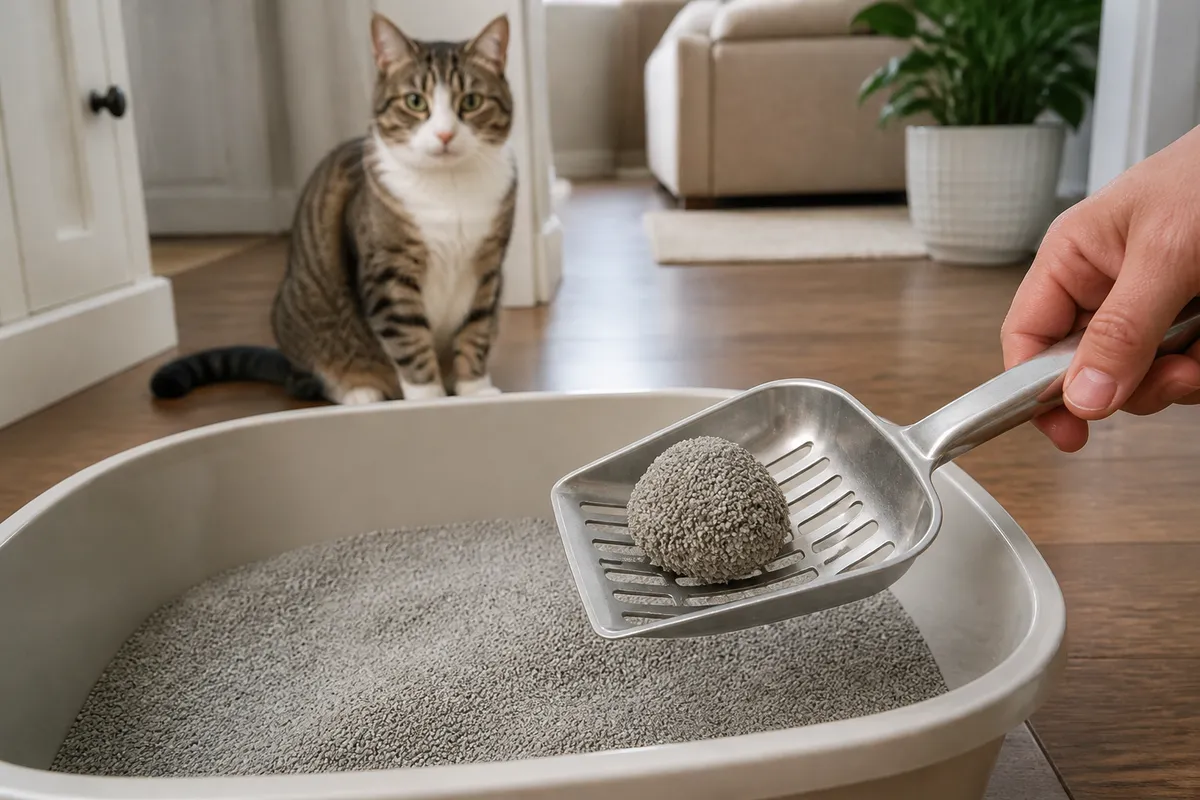
Clumping litter absorbs urine and forms a solid clump around it. Cats Protection describes it simply: clumping varieties absorb urine into clumps that can be removed from the tray. You scoop the clumps and the feces, top up with a little fresh litter, and the box stays usable for weeks before it needs a full change.
Non-clumping litter soaks up urine too, but the wet litter stays mixed into the box. Cats Protection notes it may need replacing more often because urine is harder to remove. International Cat Care adds that a clean box is a more inviting box, and that many cats prefer clumping litter exactly because soiled clumps are easy to take out.
Texture matters just as much. International Cat Care points out that the domestic cat descends from a desert wildcat, so a fine, sand-like litter is likely closest to what cats instinctively prefer. Most clumping litters have exactly that soft, sandy feel.
Bentonite cat litter explained
Most traditional clumping litter is made from bentonite, a clay that swells and binds when it gets wet. That's what gives it the hard, easy-to-scoop clumps and the fine texture cats like. It's widely available, relatively cheap per use because you only remove what's soiled, and controls odor well when scooped often.
The downsides are practical rather than dramatic. Bentonite is heavy to carry upstairs, it can track out of the box on paws, and Cats Protection notes that clay-based products are among the dustier options. Dust matters most for cats with respiratory conditions such as feline asthma, so ask your vet which litter suits a cat that coughs or wheezes.
If weight, dust or the environment bother you, plant-based clumping litters are the main alternative. Litters made from corn, wheat, pine or tofu are usually much lighter to carry, and many are marketed as low-dust. Their clumps tend to be softer than clay clumps, so they can break apart if you scoop roughly, and the texture varies a lot between products. Try a small bag first and mix it in gradually, the same way you'd switch any litter. Tofu cat litter has its own guide if you want the details.
Never flush bentonite litter. The clumps are designed to harden, which is great in the box and terrible in pipes.
Clumping vs non clumping cat litter compared
Here's how the main litter types stack up. Plant-based litters vary a lot between products, so check whether a given corn, wheat, pine or tofu litter is actually labeled as clumping.
| Type | Clumps? | Pros | Cons |
|---|---|---|---|
| Bentonite clay | Yes, firmly | Fine sandy texture cats like, easy scooping | Heavy, can be dusty, not flushable |
| Non-clumping clay | No | Inexpensive, simple | Harder to remove urine, needs full changes more often |
| Plant-based clumping (corn, wheat, tofu, pine) | Usually, softer clumps | Lighter, often lower dust | Clumps can be weaker; texture varies |
| Silica crystals | No, absorbs | Strong moisture and odor control | Feels different under paws; not every cat accepts it |
| Paper or wood pellets | Mostly no | Low dust, good for paws after surgery or for kittens | Larger pellets can feel uncomfortable |
What to look for in the best clumping cat litter
The best clumping cat litter is the one your cat uses every single time. Marketing labels like "multi-cat" or "extra strength" matter much less than these points.
- Unscented: cats have a strong sense of smell, and Cats Protection warns that a strong scent may discourage some cats from using the tray. The AAFP notes many cats dislike aromatic or dusty litters and litter deodorizers
- Fine, soft texture: sand-like grains feel natural to most cats
- Firm clumps: clumps that crumble leave wet litter behind and smell sooner
- Low dust: important for cats with asthma and for owners with allergies
- Weight and tracking: lighter litters are easier to carry; a litter mat catches what sticks to paws
- Your cat's history: International Cat Care notes that litter preferences develop early in kittenhood, so a familiar texture is a safe bet
Is clumping litter safe for kittens?
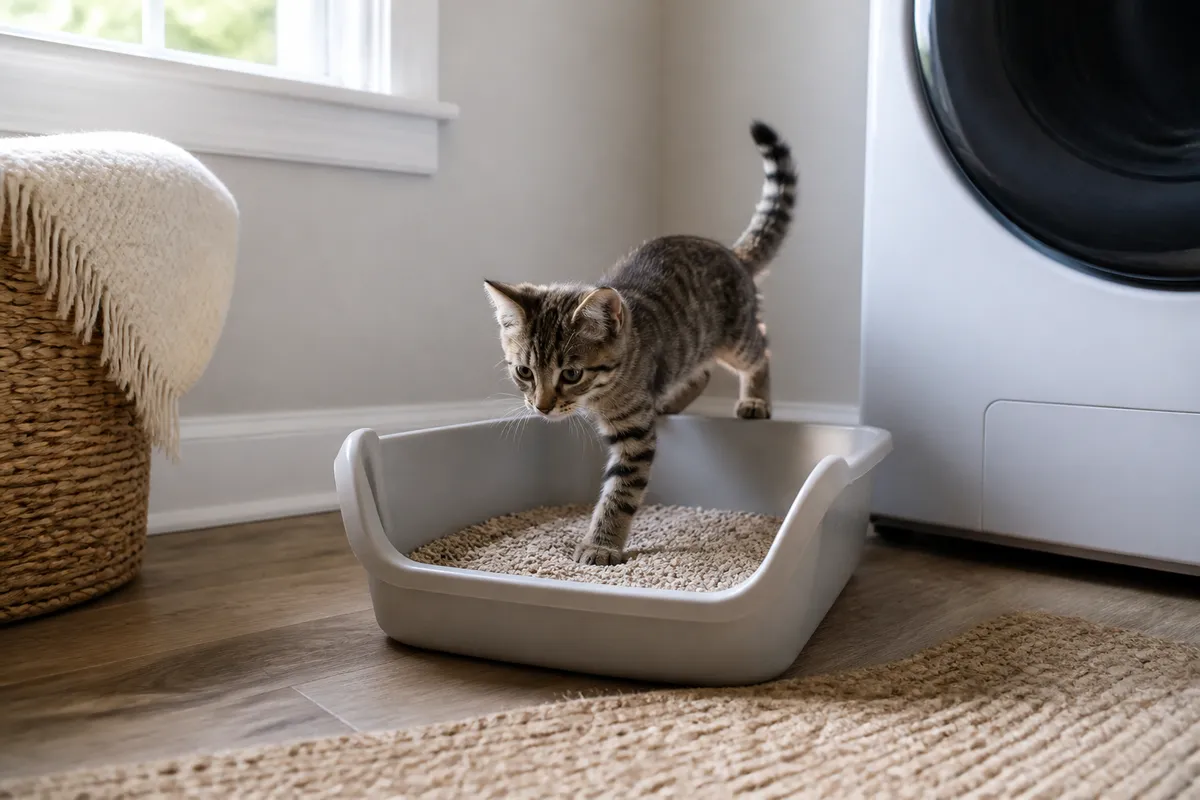
This is a fair question, because kittens explore the world with their mouths. Cats Protection advises avoiding clumping litter for young kittens, since swallowing it could cause a blockage in the digestive tract, and recommends non-clumping litter while they're small. Start with whatever litter the kitten already knows from the breeder or shelter, then switch gradually once the kitten has stopped sampling the box.
If your kitten eats litter regularly, mention it to your vet. Eating non-food items can have medical causes and is worth checking. For the basics of teaching a kitten to use the box, see our guide on how to litter train a kitten.
How to use clumping litter the right way
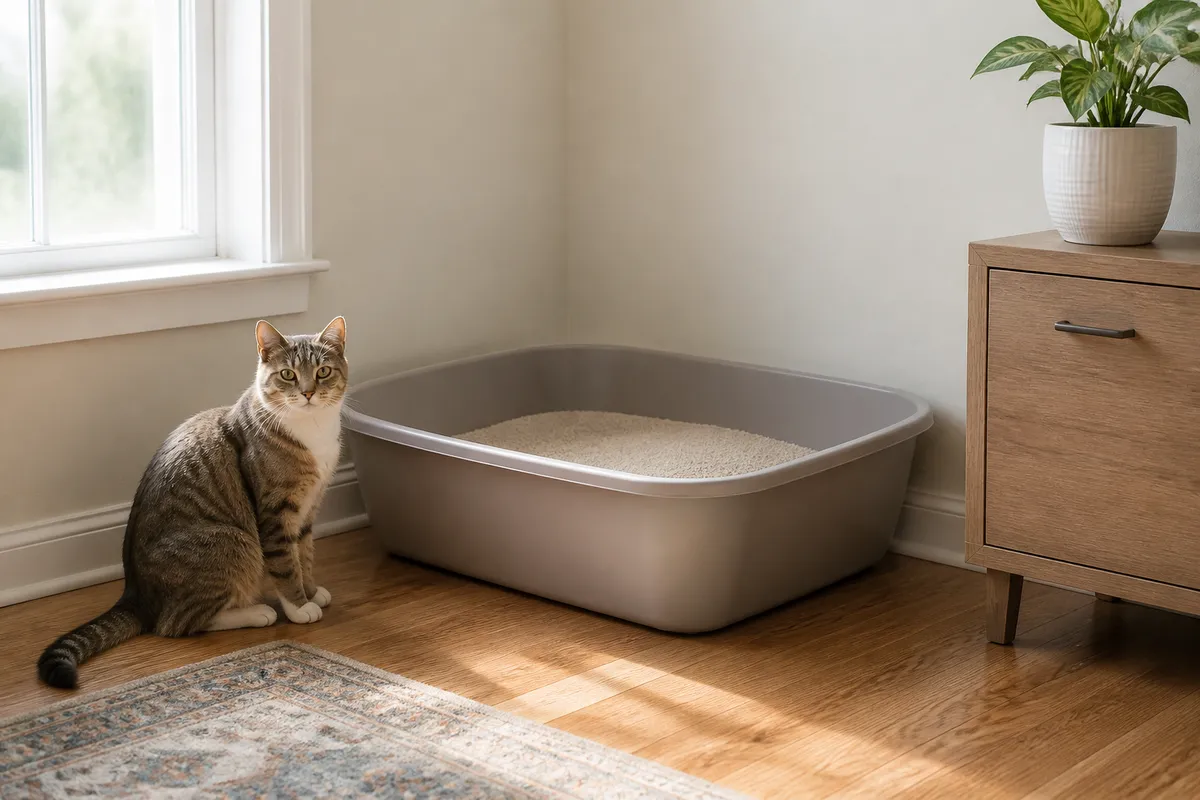
Even the best litter fails if the box isn't kept up. International Cat Care says research suggests cats prefer about 3 cm (a bit more than an inch) of litter, so a shallow, even layer is usually better than a deep mountain. Clumping litter does need enough depth that urine forms a clump before it hits the bottom of the box, so add more if clumps stick to the floor of the tray.
Scooping is the real secret to odor control. The AAFP recommends removing waste at least once a day, and International Cat Care suggests scooping at least twice a day. With clumping litter, International Cat Care recommends fully emptying and washing the tray every 2 to 4 weeks with hot water and a mild, unscented detergent. Avoid strong chemicals and ammonia-based products, and never use disinfectants that are toxic to cats.
- Scoop daily, ideally twice a day
- Top up with fresh litter after scooping
- Empty and wash the box every 2 to 4 weeks
- One box per cat plus one extra, in separate quiet spots
- Bag clumps and throw them in the trash, never down the toilet
Common clumping litter mistakes
Most litter box problems start with a human decision that seemed reasonable at the store.
- Choosing scented litter or adding deodorizer powder because the box smells: scooping more often fixes odor, perfume often just annoys the cat
- Switching brands overnight because one was on sale
- Filling the box too shallow, so clumps cement to the bottom
- Using box liners: International Cat Care notes cats may dislike claws catching in the plastic
- Ignoring changes: if your cat suddenly avoids the box, pees more or strains, call your vet; our guide on a cat peeing outside the litter box explains the causes
How to switch to a new litter
Cats are conservative about their bathroom. Cats Protection recommends gradually mixing a small amount of new litter into the old one and increasing the share over at least a week. Another option is to offer the new litter in one extra box while the familiar litter stays in the others, and let your cat vote with its paws.
If the new litter is ignored after a fair trial, go back. A litter that saves you money but leads to puddles behind the couch is not a bargain. Changing the box itself at the same time is a bad idea; change one thing at a time. Our litter box guide covers size and placement.
Frequently asked questions
Is clumping or non clumping cat litter better?
For most adult cats, clumping litter is easier to keep clean, and the AAFP notes that most cats prefer soft, unscented clumping litter. Non-clumping litter is a good choice for young kittens that still taste things, and for some cats after surgery if your vet recommends it.
What is bentonite cat litter?
Bentonite litter is made from a clay that swells and binds when wet, forming firm clumps around urine. It's the classic clumping litter: fine-textured and easy to scoop, but heavy and sometimes dusty. Don't flush it.
How often should you change clumping cat litter?
Scoop at least once a day, ideally twice, and top up with fresh litter. International Cat Care recommends emptying and washing the whole box every 2 to 4 weeks when you use clumping litter.
How deep should clumping litter be?
International Cat Care says research suggests cats prefer about 3 cm of litter. Use enough that urine clumps before it reaches the bottom of the box, and adjust if your cat digs a lot or clumps stick to the floor of the tray.
Can you flush clumping cat litter?
Clay clumping litter should never be flushed, because it is designed to harden and can clog pipes. Bag the clumps and put them in the trash.
Is scented clumping litter bad for cats?
It isn't toxic, but many cats dislike it. Cats Protection warns that a strong scent may discourage some cats from using the tray, and the AAFP notes many cats dislike aromatic litters and deodorizers. Unscented litter plus frequent scooping is the better route.
Sources
- How to choose the best cat litter for your cat, Cats Protection
- Choosing a litter tray for your cat, International Cat Care
- House-Soiling: Cat Owner Brochure, American Association of Feline Practitioners
Last reviewed: November 2026