Cat Grooming at Home: Routine by Coat Type and the Right Brush
Grooming 6 min read reviewed November 2026, 4 sources
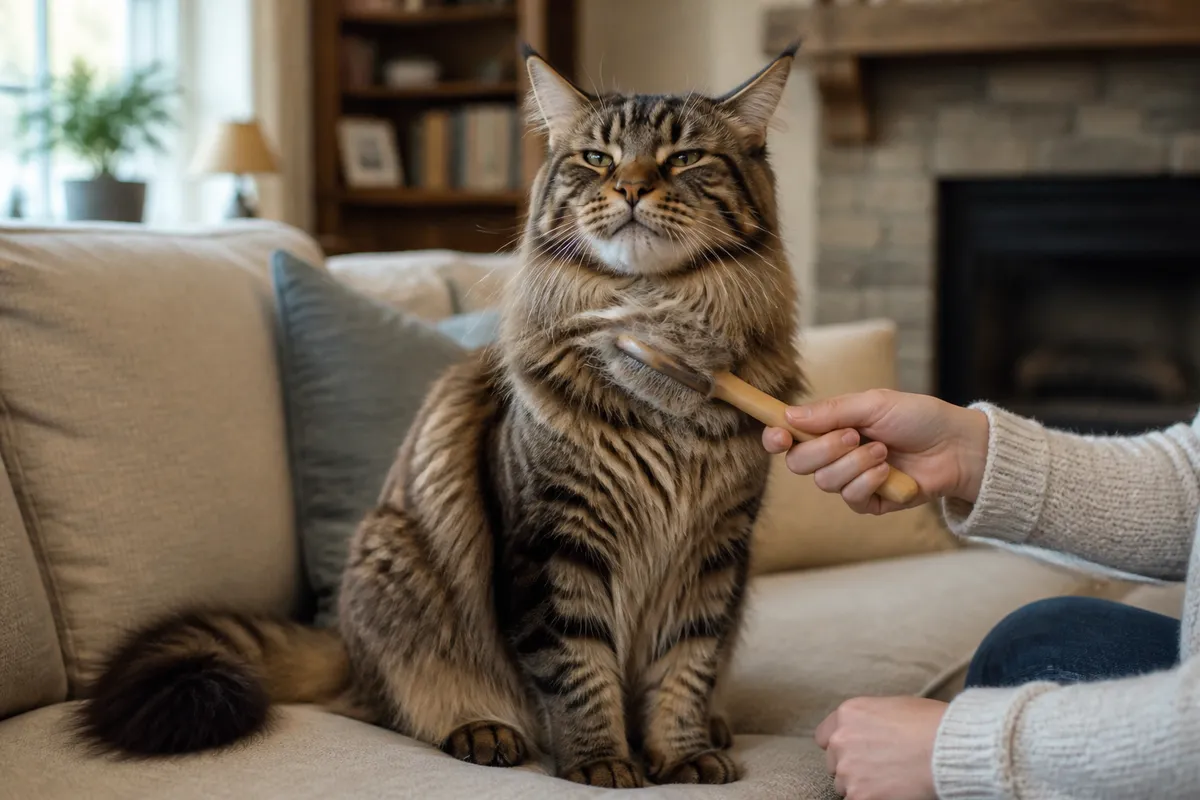
Cat grooming at home mostly means regular brushing: at least once a week for shorthaired cats and daily for longhaired cats, in short sessions your cat actually enjoys. Cats do a lot of the work themselves, but your help removes loose hair before it turns into hairballs or mats, and it gives you a weekly chance to spot fleas, lumps and sore spots early.
Why cats need your help with grooming
Cats spend a big part of their day grooming, and their tongue, covered in backward-facing spines, is a very effective comb. International Cat Care (iCatCare) explains that cats shed all year to some degree, and much of that loose hair gets swallowed and either passes through the gut or comes back up as a hairball. Brushing removes it first.
VCA Animal Hospitals adds that daily brushing cuts down on loose hair and dander floating around your home, which can make life easier for people with mild cat allergies. Brushing also spreads natural skin oils along the coat and keeps it free of dirt and parasites.
Some cats need more help than others. Longhaired, silky and curly coats tangle easily, and VCA notes that older cats with arthritis and overweight cats often can't reach every spot anymore. If a formerly tidy cat starts to look scruffy or greasy, that's worth mentioning to your vet: a neglected coat can be a sign of pain.
Cat grooming routine by coat type
How often you brush depends mostly on coat length. iCatCare recommends grooming at least once a week, and at least daily for longhaired cats, always only as long as your cat is comfortable. The ASPCA says one or two brushings a week keep most shorthaired coats healthy, while longhaired indoor cats need sessions every few days at minimum to prevent tangles.
| Coat type | How often | Focus areas | Good tools |
|---|---|---|---|
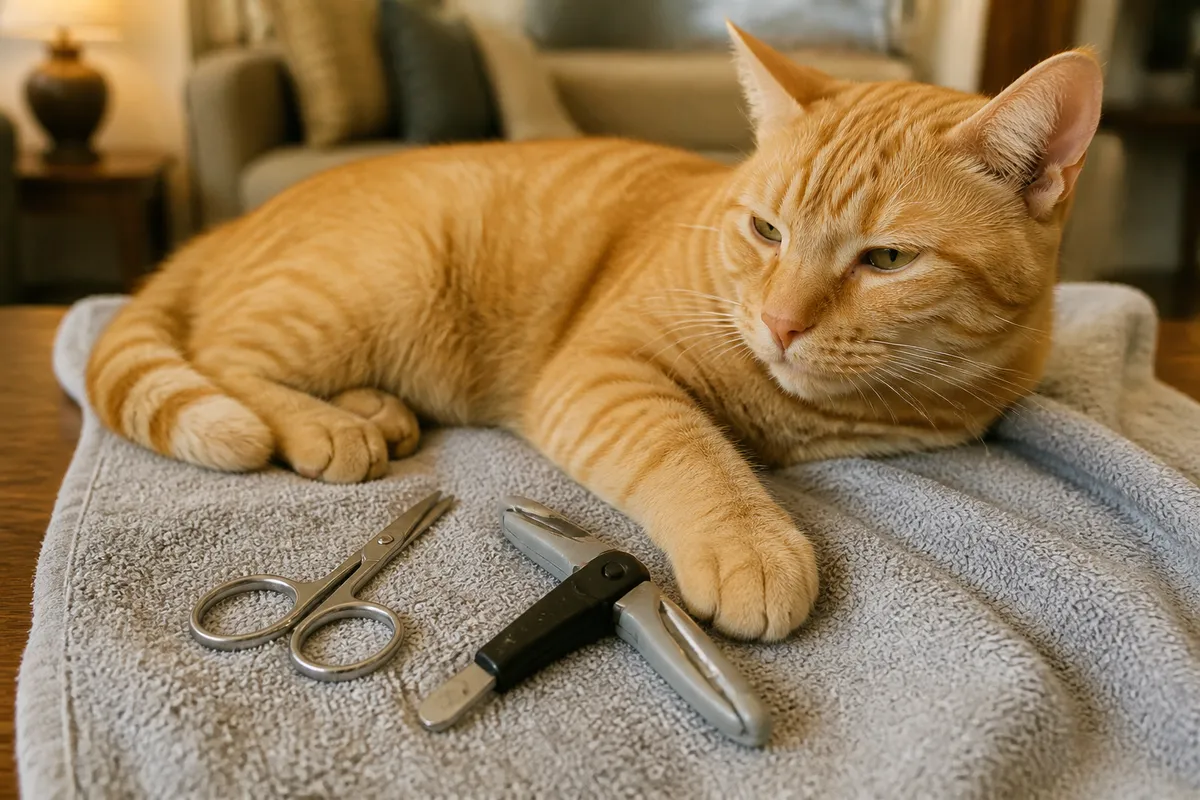
| Shorthaired | 1 to 2 times a week, more during heavy shedding | Back, sides, chest | Fine metal comb, rubber brush or mitt, stiff bristle brush |
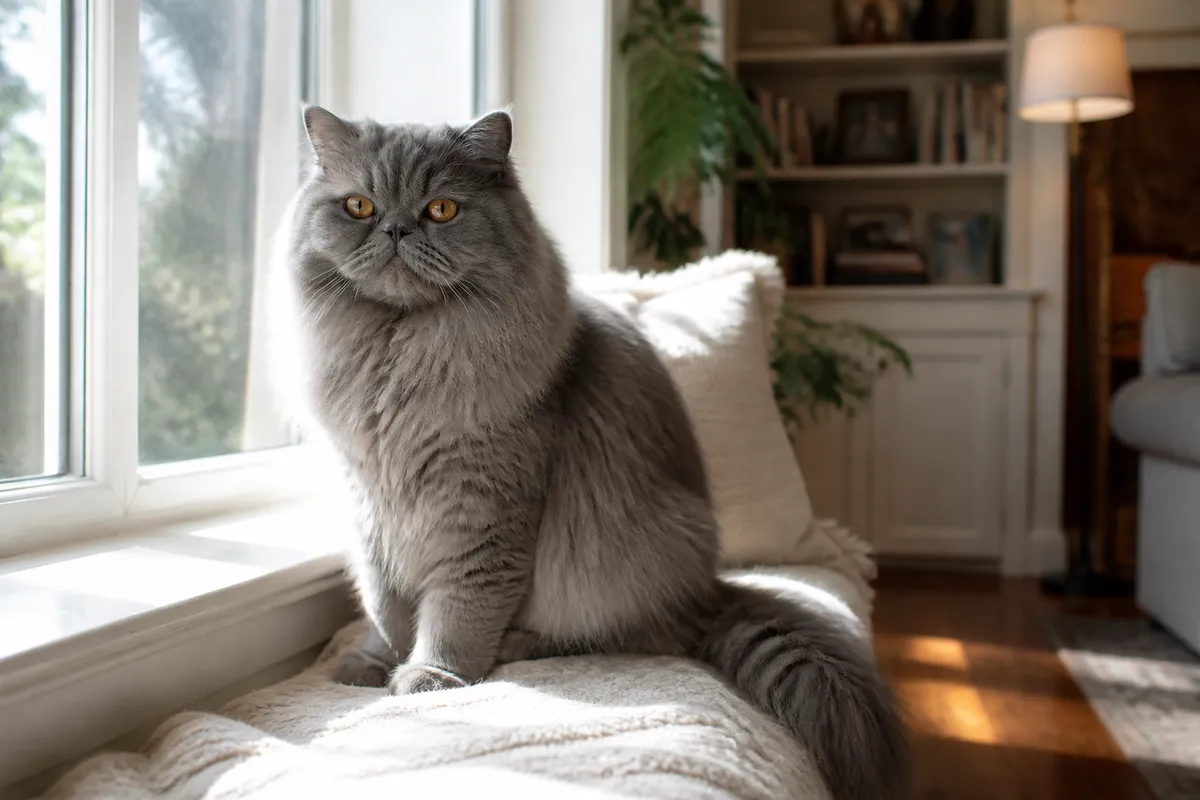
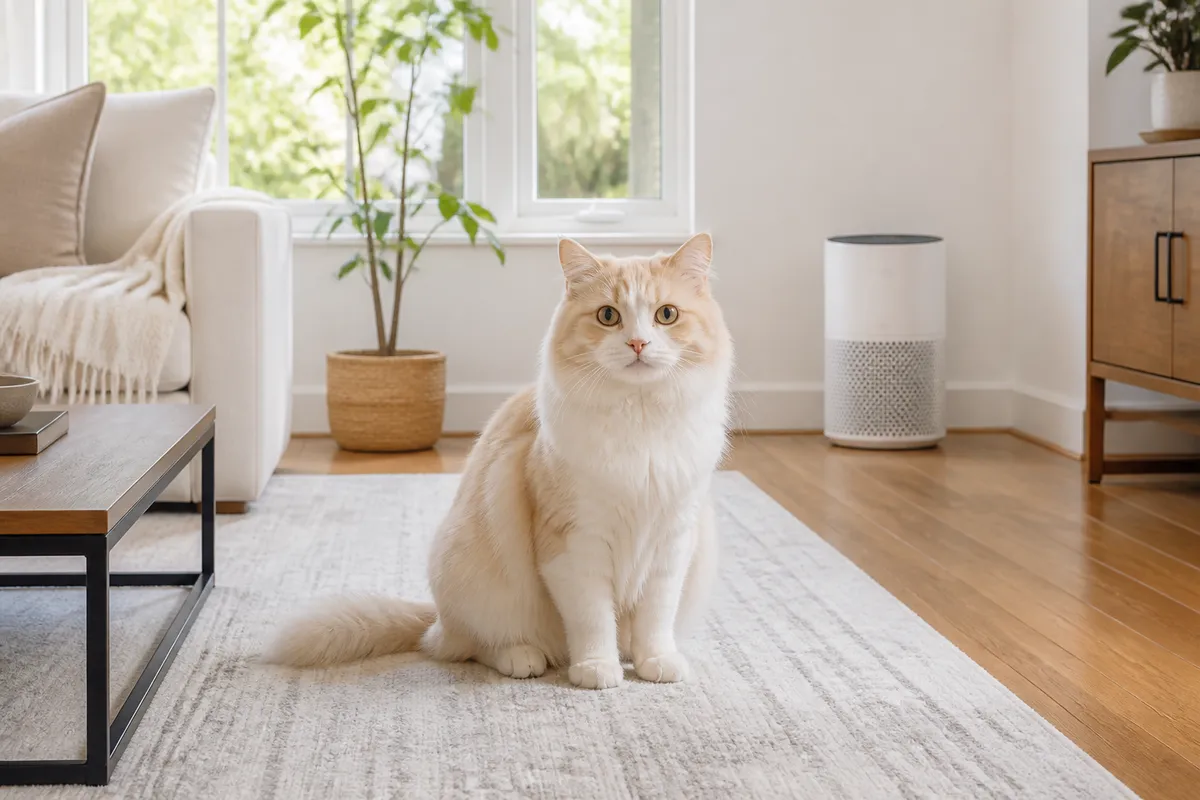
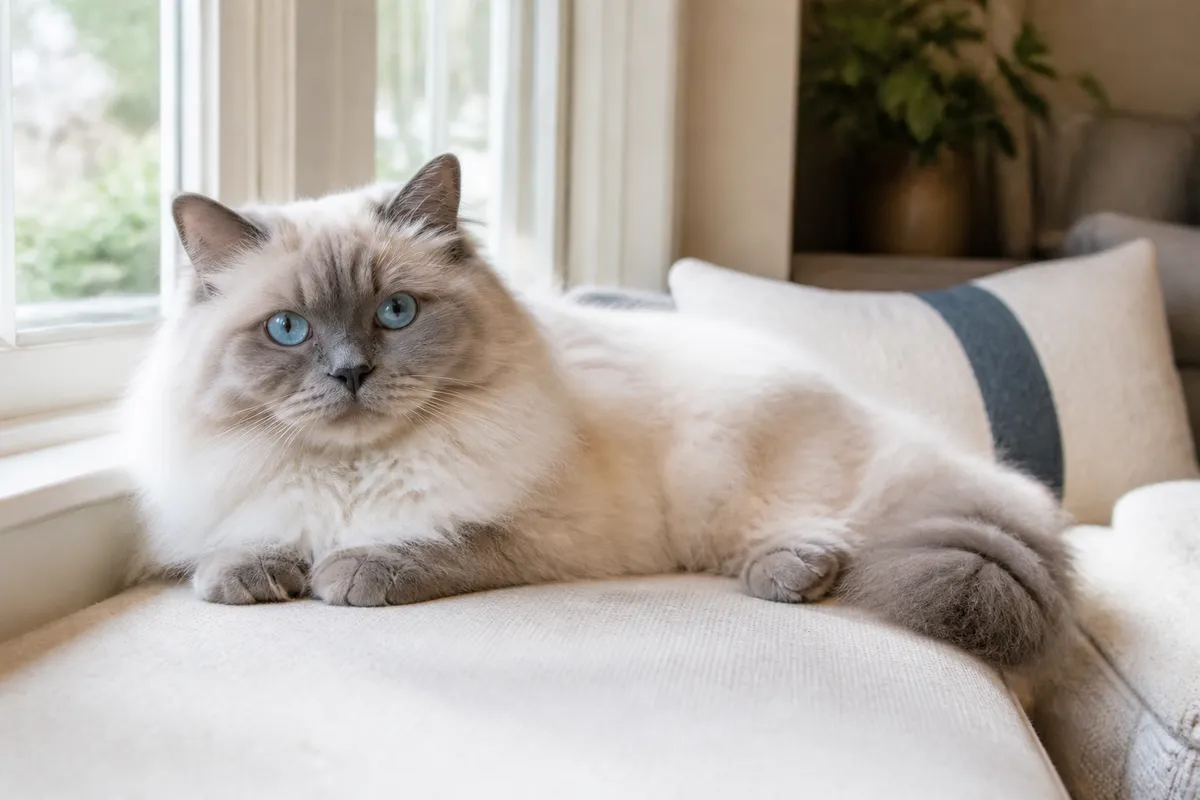
| Longhaired or semi-longhaired | Daily | Armpits, groin, behind the ears, back of the legs, tail | Wide-toothed comb, long-toothed metal comb, slicker brush |
| Curly or silky | Daily, these coats tangle easily | Whole body, light pressure | Soft brush or wide-toothed comb |
| Senior, arthritic or overweight cats | More often than before, short sessions | Lower back, hindquarters, under the tail | Soft brush, comb, damp cloth |
Choosing a cat brush: which type does what
No single cat brush suits every coat, which is why many owners end up with two tools. VCA describes the main types: stiff bristle brushes remove loose hair from short coats, long-toothed metal combs (especially ones with offset rows of teeth) smooth minor tangles in medium and long coats, and undercoat combs help during heavy seasonal shedding and for teasing out small mats behind the ears or on the back legs.
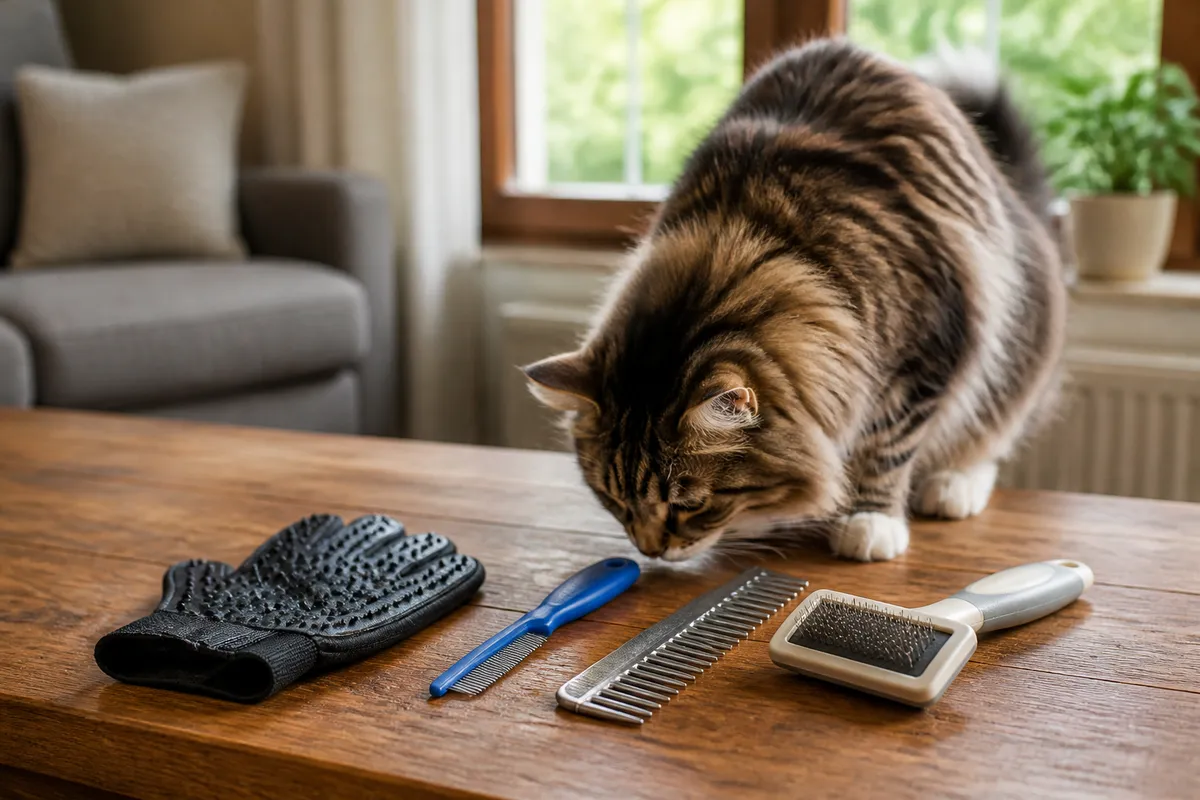
iCatCare suggests a fine flea comb for checking the coat, a wide-toothed comb for longer hair and a rubber mitt or pad for picking up dead hair on shorthaired cats. Rakes, slicker brushes and detangling sprays are common extras for longhaired cats.
Whatever you buy, gentleness matters more than the tool. Avoid pulling on tangles, and if your cat hates a particular brush, try a softer one rather than forcing it. Your vet team can recommend tools that suit your cat's coat.
- Rubber brush or mitt: shorthaired cats, picks up loose hair, most cats like it
- Fine-toothed flea comb: checks for fleas and flea dirt
- Wide-toothed and long-toothed metal combs: medium and long coats, works through tangles
- Slicker brush: longhaired coats, use with a light touch on thin skin
- Undercoat comb or rake: heavy shedding seasons, thick double coats
How to groom your cat step by step
Pick a moment when your cat is relaxed, like the sleepy stretch after a meal, and keep the first sessions short. iCatCare's routine works well for most cats:
- Start with the flea comb and look for flea dirt: tiny black specks that turn reddish on a damp paper towel
- Loosen dead hair by gently massaging against the direction of growth
- Brush or comb from head to tail, in the direction the hair grows, one section at a time
- Go extra gently under the armpits and between the hind legs, where the skin is very thin
- For shorthaired cats, finish with a rubber mitt or a damp cloth to pick up the last loose hairs
- End before your cat gets fed up, with praise and a treat
Getting a cat who hates brushing to accept it
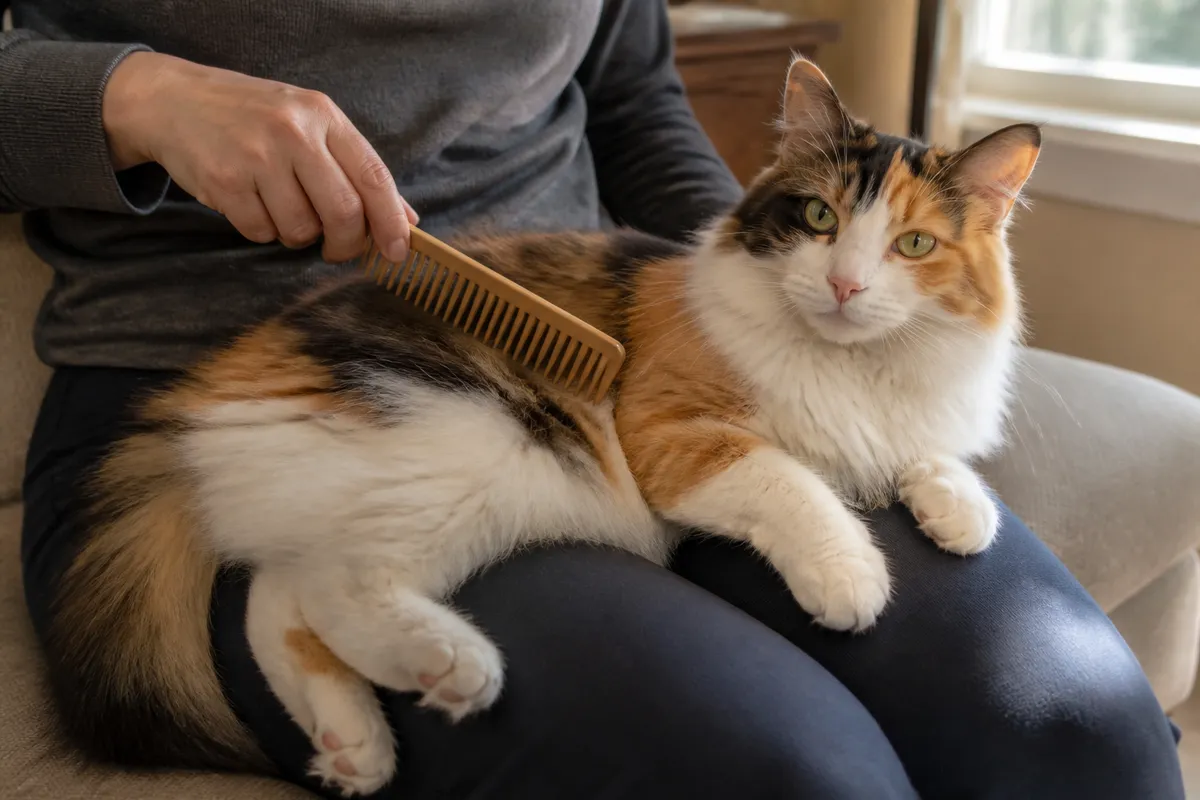
Some cats love being brushed from day one, others treat the comb like a personal insult. iCatCare stresses that a cat should never be groomed by force or held without the option to leave, because that makes every future session harder.
Watch for the signs your cat is done: tail swishing or thumping, skin twitching along the back, ears flicking or rotating backward, or a sudden rapid burst of self-grooming. Stop at the first hint and try again another day with a smaller goal, like brushing one shoulder and handing out a treat.
Kittens can learn to enjoy grooming if you start early and build up the time gradually. With adult cats, short daily sessions of a minute or two usually beat a weekly wrestling match. If your cat fights so hard that someone could get hurt, the ASPCA recommends booking a professional groomer or your vet instead.
Mats in cat fur: what to do and what never to do
Mats are tight clumps of tangled hair, and they hurt: they pull on the skin with every movement. They form fastest behind the ears, in the armpits, in the groin and along the back of the hind legs, so check those spots daily on longhaired cats.
A small, loose tangle can often be worked out with your fingers and a comb, holding the hair at the base so you don't pull on the skin. VCA is very clear about bigger mats: never use scissors. iCatCare explains that in a tight mat it's very hard to see where the hair ends and the thin skin begins, so it's easy to cut your cat. Clippers are the safer tool, and severe or widespread mats belong with a groomer or your vet.
iCatCare notes that severely matted cats often need to be shaved by the vet team under sedation or anesthesia. Shaving the body while leaving the head, legs and tail tip fluffy is what people call a lion cut, which has its own guide. If a mat has irritated or broken the skin, see your vet.
The weekly once-over: more than just the coat
Grooming time doubles as a quick health check. iCatCare and the ASPCA suggest using it to look at your cat's eyes, ears, mouth, paws and skin, and to feel for anything new.
- Skin: lumps, scabs, bald patches, redness, fleas or ticks
- Ears: discharge, odor or dark debris (wipe only the visible part, never probe the canal)
- Eyes: crust, tearing or cloudiness
- Mouth: red gums or bad breath
- Under the tail: stuck feces that may need careful trimming
- Claws: overgrown nails (nail trims and clippers have their own guide)
When to use a professional cat groomer or the vet
A professional groomer makes sense for heavily coated breeds, for cats with mats you can't safely remove, and for cats who won't tolerate home grooming. Look for someone experienced with cats specifically, since handling a stressed cat calmly is a different skill than grooming dogs.
Go to your vet instead when mats are tight against the skin or widespread, when the skin underneath looks sore, or when your cat suddenly stops grooming itself or starts overgrooming. The ASPCA notes that shedding with bald patches, redness or itching can point to allergies, parasites or infection, and that's a medical question, not a styling one. Baths are rarely needed; when they are, our cat bath guide walks you through it.
Frequently asked questions
How often should I brush my cat?
Shorthaired cats do well with brushing once or twice a week, more during heavy shedding. Longhaired cats need daily grooming to prevent tangles and mats.
What is the best cat brush for shedding?
For short coats, a rubber brush or grooming mitt picks up loose hair well. For long or thick double coats, a long-toothed metal comb plus an undercoat comb or rake works through the undercoat without pulling.
Do indoor cats need grooming?
Yes. VCA notes that indoor cats often shed at a low level all year, so regular brushing still reduces hairballs, mats and loose hair around the house.
Can I cut out a mat with scissors?
No. In a tight mat it's very hard to see where hair ends and thin skin begins, so scissors can easily cut your cat. Use a comb for small tangles and leave large mats to a groomer or your vet, who use clippers.
Why has my cat stopped grooming itself?
Pain from arthritis or dental problems, obesity and illness can all make a cat stop grooming. A sudden change in grooming habits is a good reason to book a vet check.
Is it okay to groom a cat every day?
Yes, as long as your cat enjoys it and sessions stay gentle. Daily short sessions are ideal for longhaired cats and help any cat get comfortable with handling.
Sources
- Grooming your cat, International Cat Care
- Grooming and Coat Care for Your Cat, VCA Animal Hospitals
- Cat Grooming Tips, ASPCA
- Summer grooming and coat care safety tips for cats, VCA Animal Hospitals
Last reviewed: November 2026