Catnip for Cats: What It Does, Why Some Cats Ignore It, and Silver Vine
Behavior 5 min read reviewed November 2026, 4 sources
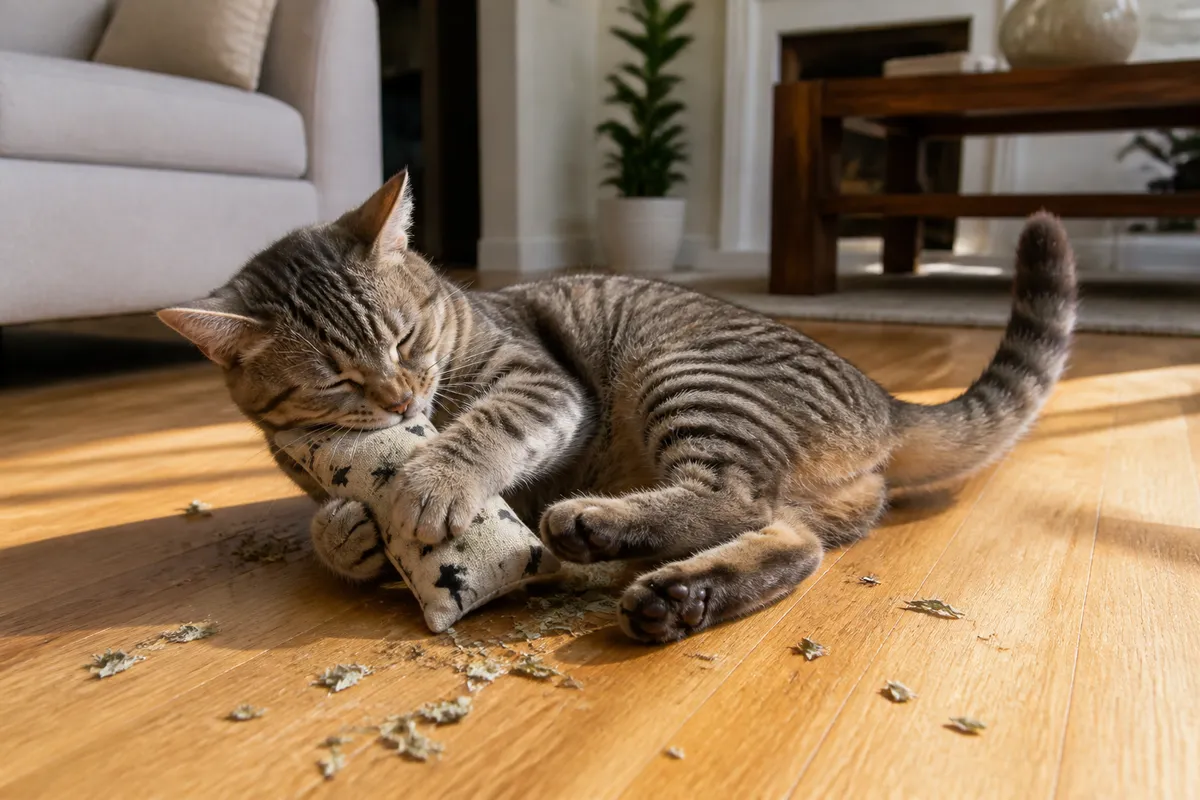
Catnip is a mint-family herb whose oil, nepetalactone, sends many cats into about ten minutes of rolling, rubbing and zoomies, followed by a calm, uninterested phase. It's not addictive and is generally safe, but not every cat reacts: the response is inherited, kittens usually don't respond yet, and silver vine often works on the cats catnip leaves cold.
What is catnip, and how does it work?
Catnip (Nepeta cataria, also called catmint or catswort) is a perennial herb in the mint family. Its leaves and stems contain an essential oil called nepetalactone. When a cat sniffs the plant, the oil reaches receptors in the nose and triggers a burst of behavior that looks a lot like a cat in a very good mood.
The effect is short-lived and not addictive. That nickname "cat crack" is a joke, not a pharmacology lesson: there's no craving, no withdrawal, and the cat simply loses interest after a few minutes.
What catnip does to cats: the typical reaction
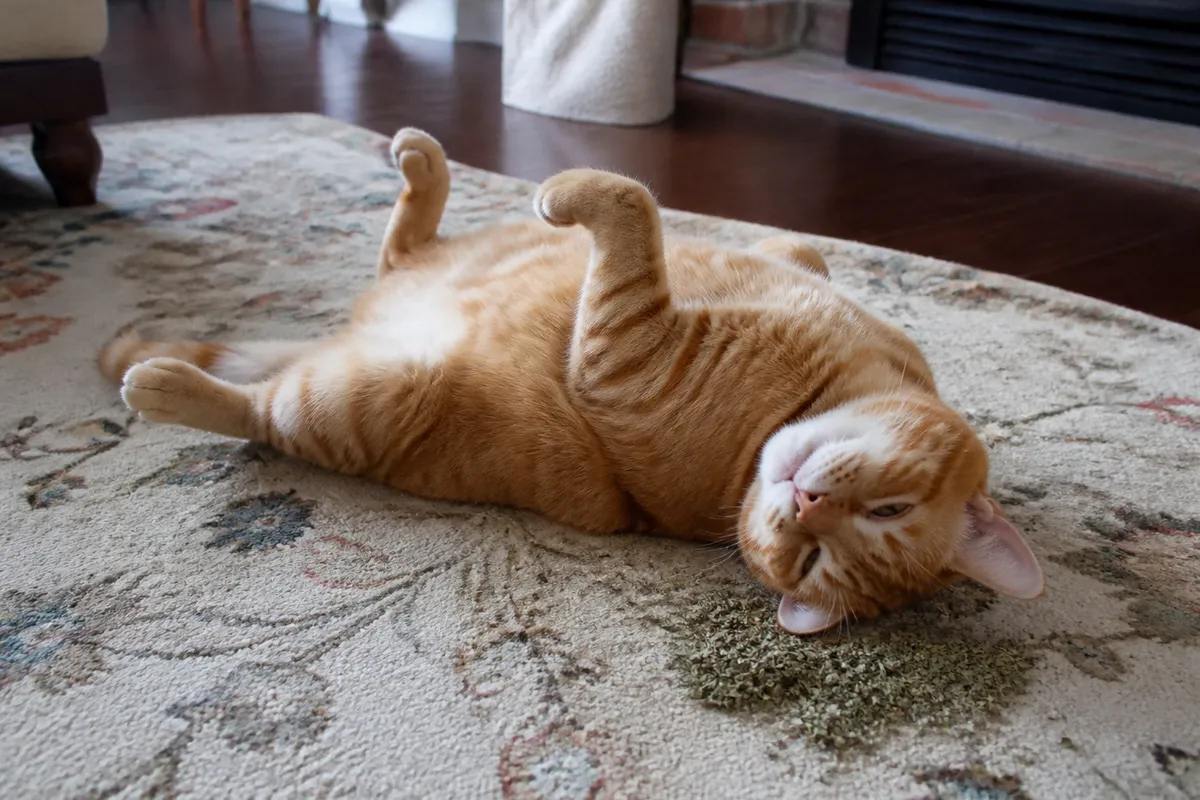
Most responders follow a familiar script. Interestingly, how the cat takes it in matters: sniffing tends to make cats playful and hyper, while eating catnip tends to make them mellow and relaxed.
- Sniffing, licking and chewing the leaves or the toy
- Rubbing the chin and cheeks on it, then rolling on the back
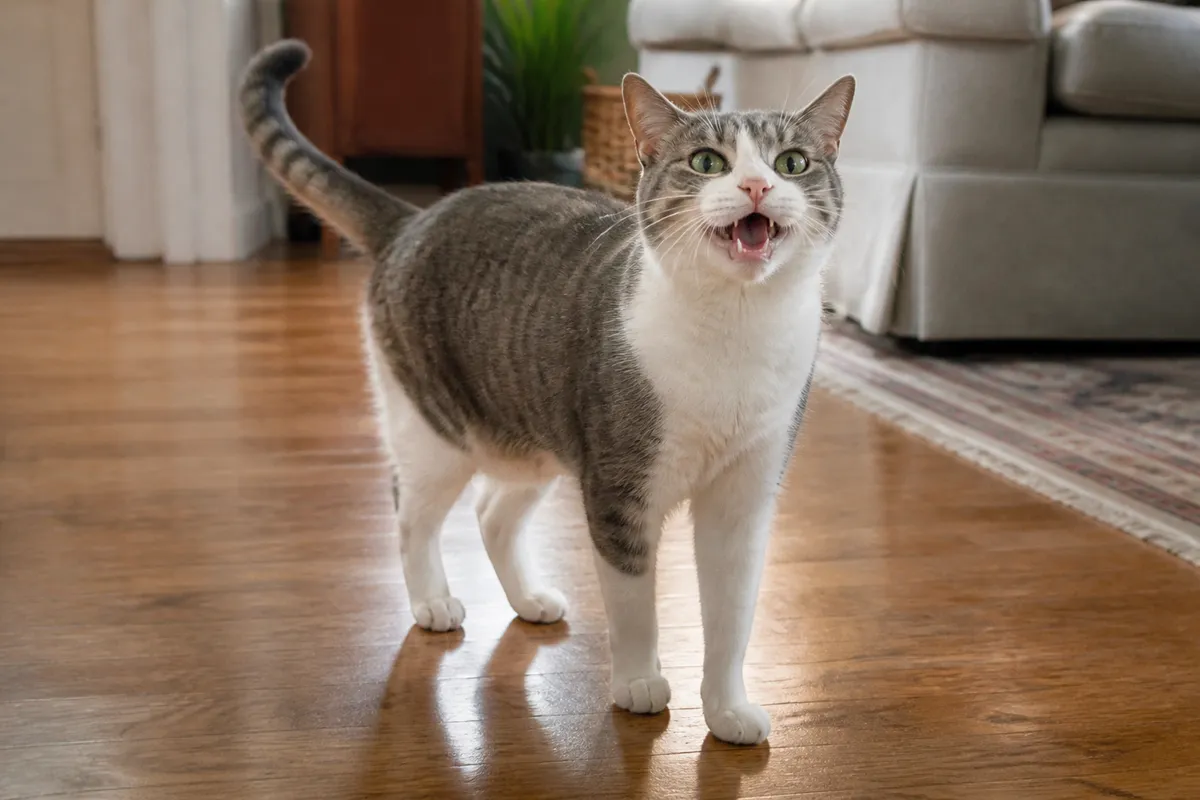
- Drooling, purring, meowing or a dreamy, glazed look
- Sudden play bursts, kicking a toy, racing around the room
- Occasionally a short spell of growling or swatting in more excitable cats
| Phase | What you see | How long |
|---|---|---|
| Discovery | Sniffing, licking, chewing | Seconds to a minute |
| Peak | Rubbing, rolling, play bursts or blissed-out lounging | Around 10 minutes in total |
| Cool-down | Cat walks away and ignores the catnip | About two hours before it works again |
Why doesn't my cat react to catnip?
If your cat sniffs the catnip mouse and walks off looking offended, you're not alone. Whether a cat responds is an inherited trait, and a sizable share of cats simply never got the gene. Estimates vary: International Cat Care puts responders at around 70 to 80 percent, while the Humane World for Animals says about 30 to 50 percent of cats don't react. In a study of 100 cats, 68 percent responded to catnip.
Age matters too. Kittens usually don't respond until they're about three to six months old, so a kitten who ignores catnip today may love it next season. It's worth trying again later.
Old, stale catnip is another common culprit. The oil evaporates, so a toy that's been lying around for months may have nothing left to offer. Fresh or properly stored catnip is far stronger.
Silver vine and other catnip alternatives
Catnip isn't the only plant cats go wild for. Silver vine (Actinidia polygama, also called matatabi) is a climbing plant from Asia whose dried sticks and fruit galls are sold as cat enrichment. In a 2017 study of 100 cats, silver vine got a response from 79 percent of cats, more than catnip's 68 percent, and the reactions were more intense on average.
Even better news for owners of catnip snobs: of the 31 cats in that study who ignored catnip, 22 responded to silver vine. Tatarian honeysuckle wood and valerian root also worked on some cats, though less often.
If catnip does nothing for your cat, silver vine is the first thing to try. Offer one product at a time so you know which one she actually likes.
| Plant | Cats that responded | Good to know |
|---|---|---|
| Silver vine | 79% | Strongest reactions; worked on most catnip non-responders |
| Catnip | 68% | Easy to find, easy to grow |
| Tatarian honeysuckle (wood) | 53% | Use the wood only; the berries can upset the stomach |
| Valerian root | 47% | Strong smell that many humans dislike |
Is catnip safe for cats?
Catnip is generally considered safe for cats. The main downside is the stomach: the ASPCA notes that catnip can cause vomiting and diarrhea, which mostly happens when a cat eats a large amount. Most cats stop on their own long before that point.
A few sensible precautions help. Supervise the first sessions so you see how your cat reacts. Some cats get overstimulated and swat or bite, so skip catnip for cats who are easily aggressive or very anxious, and be careful in multi-cat homes where a hyped-up cat might pick a fight. Keep sessions to a few times a week so the effect stays special.
If your cat seems unwell after eating something you can't identify, call your vet or the ASPCA Animal Poison Control Center at (888) 426-4435 (a consultation fee may apply).
Fresh, dried, spray or toy: which form of catnip for cats works best?
Catnip comes in several forms, and they're not equally strong. Since the effect depends on the oil reaching your cat's nose, the general rule is simple: the fresher and more crushed, the stronger.
Many cats who seem lukewarm about a store-bought catnip mouse turn out to love a pinch of freshly crushed leaves. Before you decide your cat is a non-responder, try a fresh form at least once, and try it when she's awake and curious rather than right after a big meal or a nap.
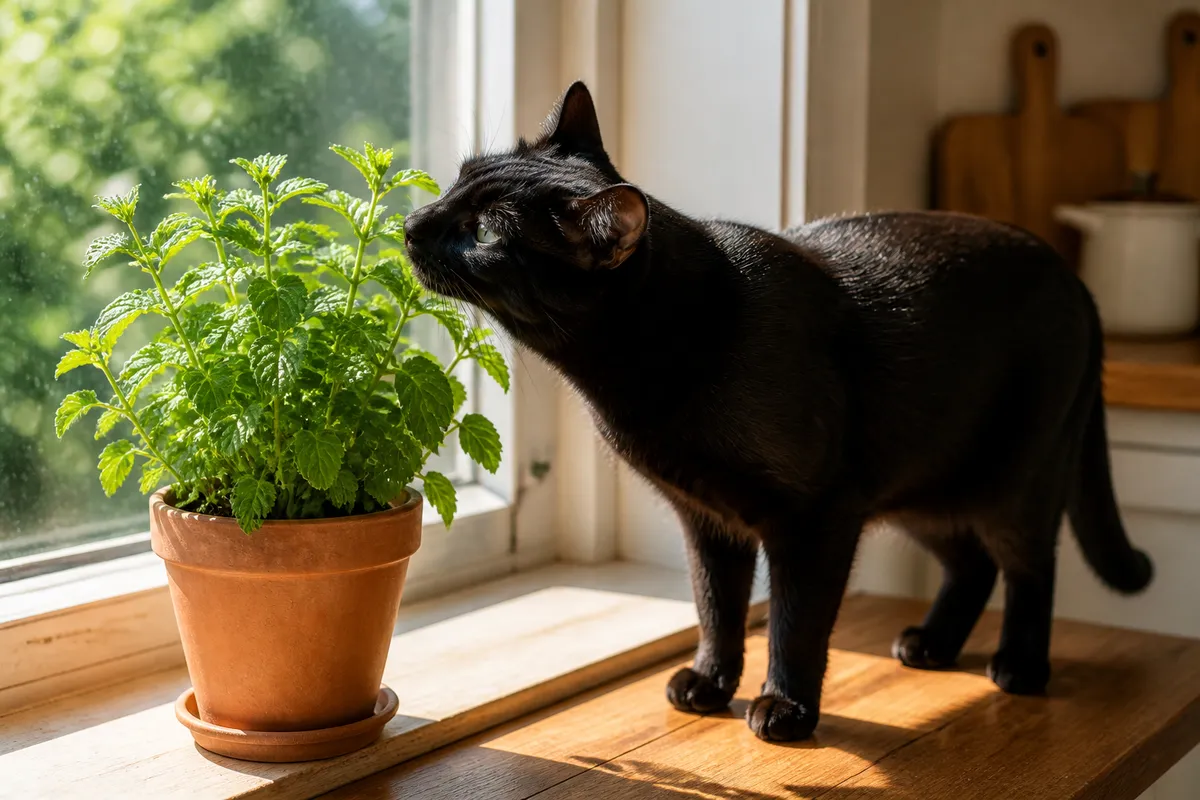
- Fresh leaves from a potted plant: strongest smell, especially when you bruise the leaves a little.
- Dried loose catnip: very effective if it's fresh and stored airtight; crush it right before use.
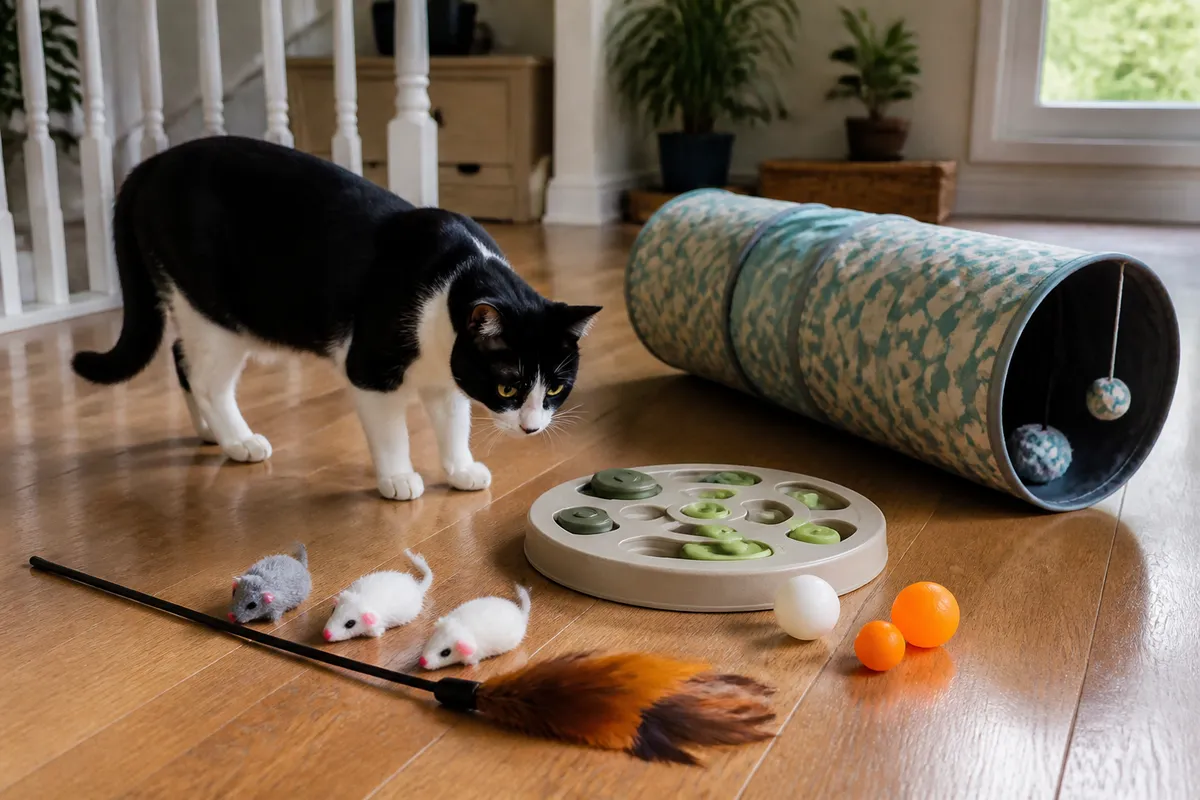
- Catnip-stuffed toys: convenient, but the scent fades over weeks, so choose refillable ones or rotate them.
- Catnip sprays: handy for scratching posts and beds; how strongly cats react varies by product and freshness.
- Compressed catnip balls and sticks: long-lasting, good for cats who like to lick and chew.
How to give catnip to your cat
A small pinch goes a long way. Crush dried leaves between your fingers to release the oil, then sprinkle them on a scratching pad, a toy or the floor. Refresh catnip toys every few weeks, or swap them out, because the scent fades.
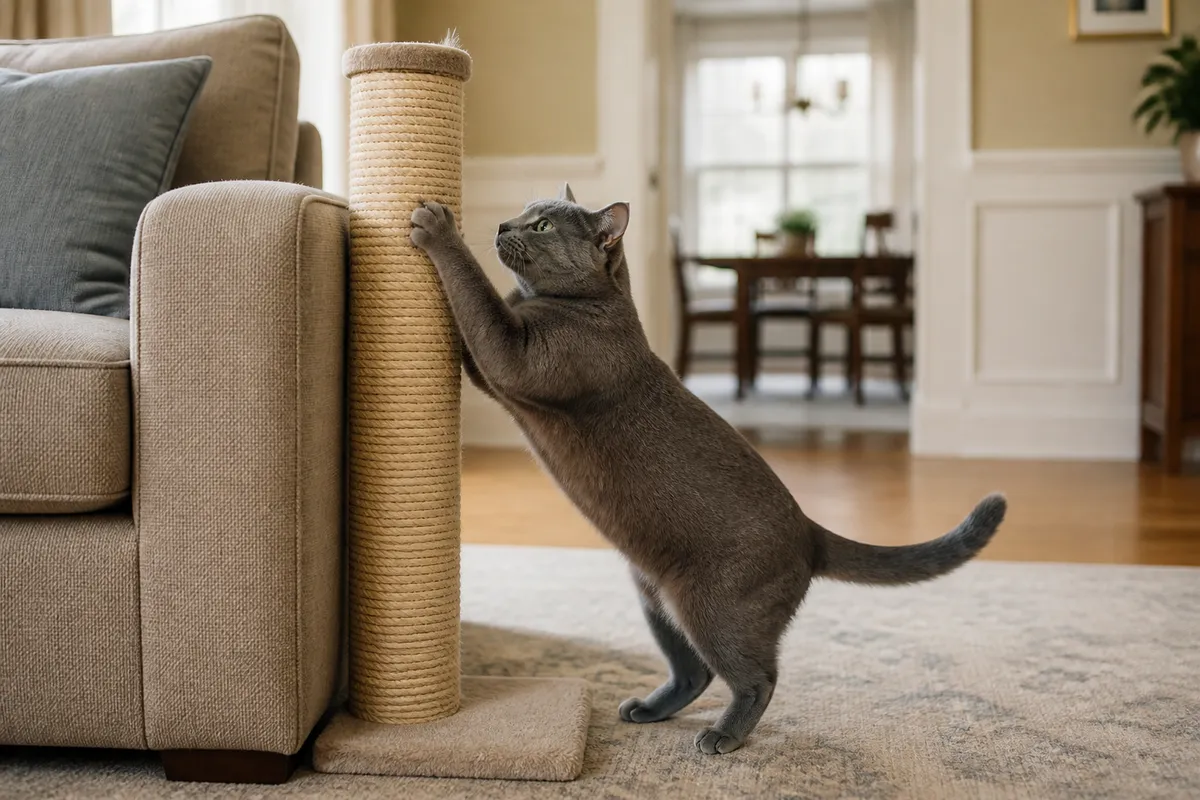
Catnip is also a handy training tool. A little on a new scratching post, cat bed or carrier can make it more interesting, and a calm, after-dinner session can be a nice evening ritual for cats who eat it and mellow out.
Store dried catnip in an airtight container, ideally in the freezer, to keep it potent. If you'd rather grow it, catnip is a hardy herb that grows easily in a sunny pot; just expect your cat to treat the plant as a personal salad bar.
Catnip myths, briefly
No, catnip isn't a drug in the human sense, and cats can't overdose on sniffing it. No, it won't make a calm cat permanently hyper; the effect wears off in minutes. And no, a cat who ignores catnip isn't broken. She just didn't inherit the response, and she's probably judging the rest of the household for rolling around on the floor anyway.
Frequently asked questions
How long does catnip last on a cat?
A typical session lasts about 10 minutes. Afterward most cats are unresponsive for roughly two hours before catnip works on them again.
Can kittens have catnip?
It won't hurt them, but it usually won't do anything either. Kittens typically don't react until they're about three to six months old, so try again when your kitten is older.
Is silver vine better than catnip?
For many cats, yes. In a study of 100 cats, more cats responded to silver vine (79 percent) than to catnip (68 percent), and most catnip non-responders reacted to silver vine. It's the best alternative to try if catnip does nothing.
Can cats overdose on catnip?
Catnip isn't addictive and the effect is short. Eating a lot of it can cause vomiting or diarrhea, so offer small amounts and put the bag away. If your cat seems sick, call your vet.
Why is catnip called cat crack?
It's a joke about how dramatically some cats react. Catnip isn't a narcotic, isn't addictive and doesn't cause withdrawal; the cat simply loses interest after a few minutes.
Does catnip work on big cats?
Some wild cats react too. In the same study that tested house cats, captive bobcats also reacted to the plant materials, sometimes for several minutes at a time.
Sources
- Responsiveness of cats to silver vine, Tatarian honeysuckle, valerian root and catnip (Bol et al., BMC Veterinary Research 2017), BMC Veterinary Research via PubMed Central
- Catnip, ASPCA Animal Poison Control
- Why do cats..?, International Cat Care
- Crazy for catnip, Humane World for Animals
Last reviewed: November 2026